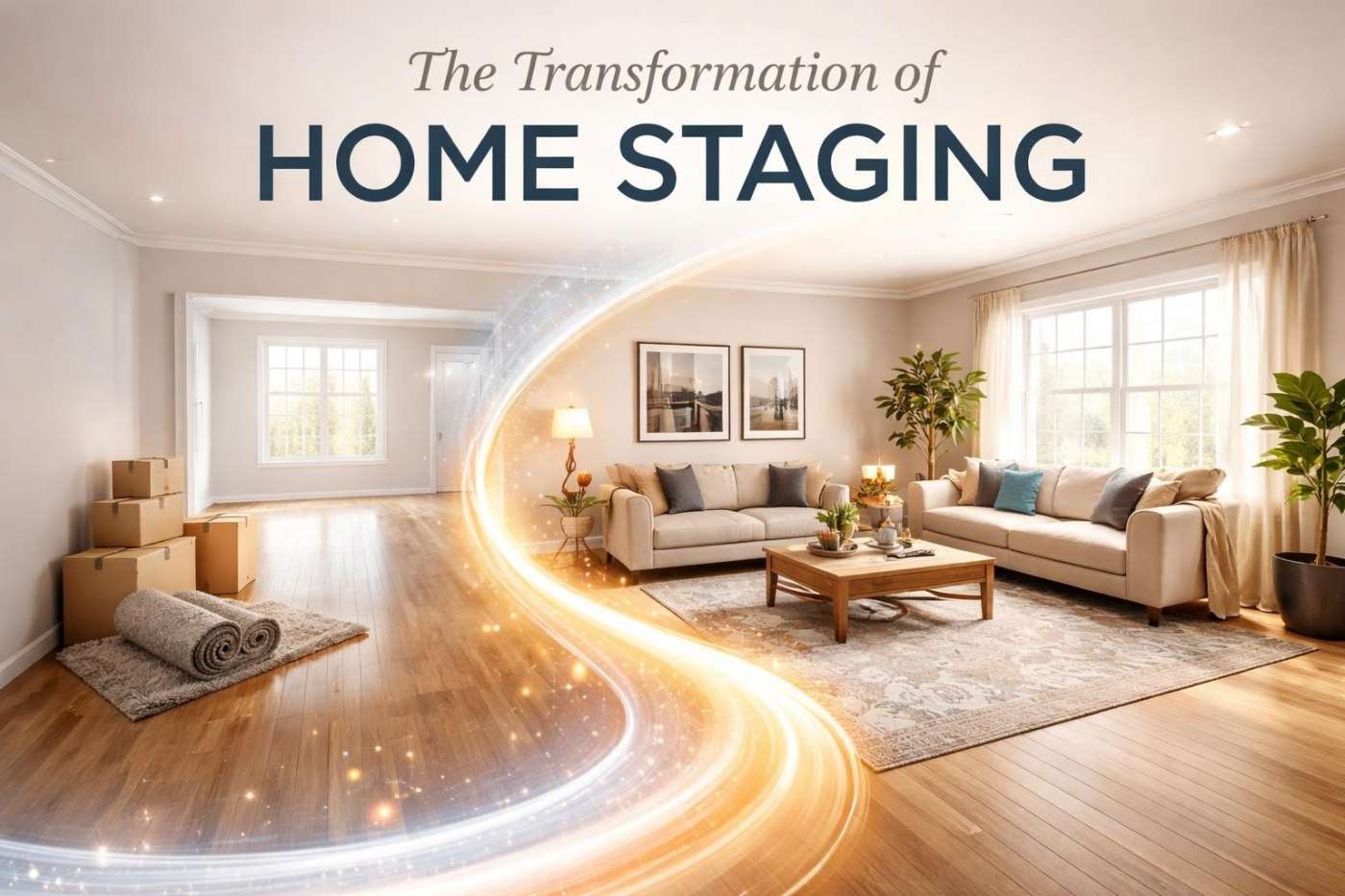

The real estate market in 2026 demands more than just listing a property and hoping for the best. Buyers today scroll through hundreds of listings online before deciding which homes to visit in person, making first impressions more critical than ever. Staging in real estate has evolved from a luxury marketing tactic into an essential strategy that dramatically influences buyer perception, sale prices, and how quickly properties move off the market. Whether working with luxury estates or modest starter homes, real estate professionals who understand the power of effective staging gain a competitive edge that translates directly to their bottom line.
The Financial Impact of Staging in Real Estate
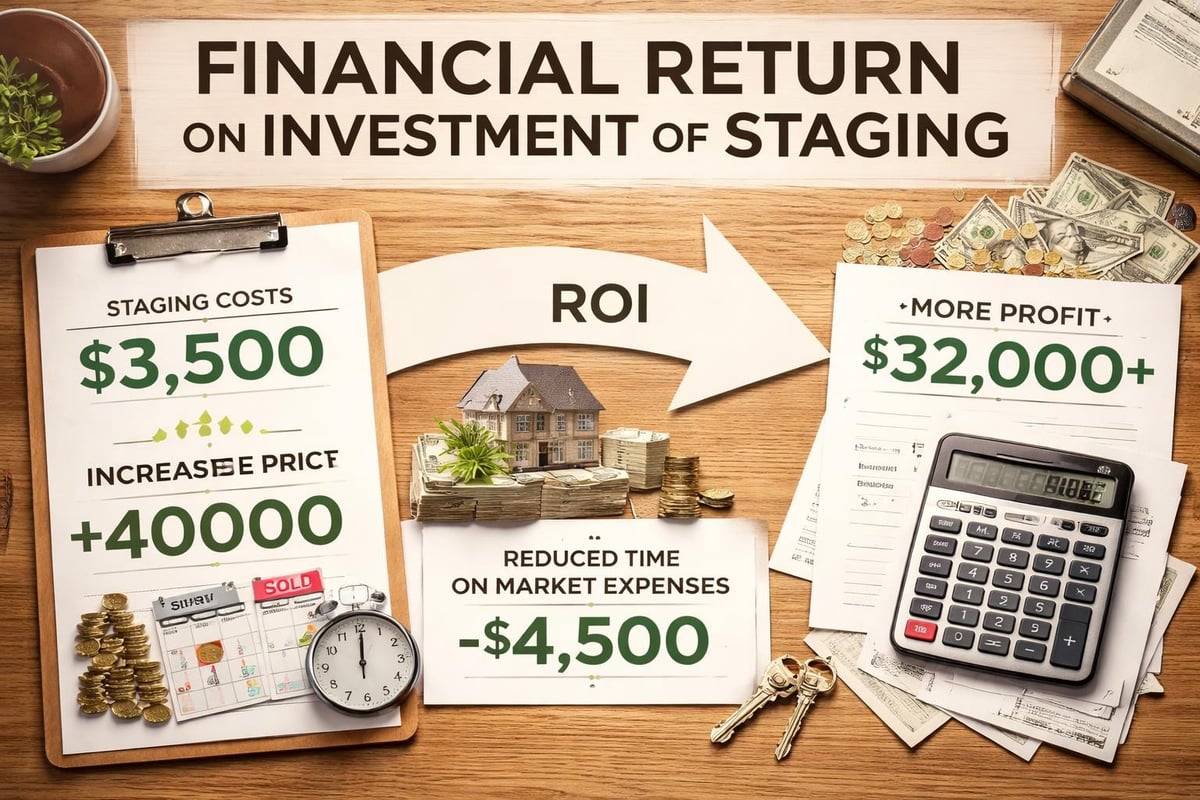
When sellers question the value of investing in staging, the numbers tell a compelling story. Research from the National Association of Realtors reveals that nearly 30% of agents observe a 1% to 10% increase in home value when properties are professionally staged. For a $500,000 home, that translates to an additional $5,000 to $50,000 in final sale price.
The return on investment extends beyond purchase price alone. Staged homes spend significantly less time on the market, reducing carrying costs for sellers and allowing agents to turn inventory faster. These dual benefits create a powerful financial argument that resonates with even the most budget-conscious clients.
Breaking Down the Cost-Benefit Analysis
Most traditional staging services charge between $2,000 and $10,000 depending on property size and rental duration. When weighed against potential price increases and reduced holding costs, the investment typically pays for itself many times over.
| Staging Investment | Potential Price Increase | Average Time Reduction | Net Benefit |
|---|---|---|---|
| $3,000 | $15,000 – $25,000 | 30-50% faster | $12,000 – $22,000 |
| $5,000 | $25,000 – $40,000 | 40-60% faster | $20,000 – $35,000 |
| $8,000 | $40,000 – $60,000 | 50-70% faster | $32,000 – $52,000 |
These projections become even more favorable when considering modern virtual staging alternatives that deliver similar visual impact at a fraction of traditional costs.
How Staging Transforms Buyer Perception
Staging in real estate works because it fundamentally changes how buyers emotionally connect with a property. Empty rooms feel smaller, lack context, and force buyers to work harder imagining themselves in the space. Professionally staged environments tell a story, demonstrate room functionality, and create an aspirational lifestyle vision.
Key psychological triggers activated by staging include:
- Spatial understanding: Furniture placement helps buyers accurately gauge room dimensions
- Lifestyle projection: Curated decor allows buyers to envision their future in the space
- Emotional connection: Warm, inviting spaces generate positive feelings and attachment
- Perceived value: Well-presented homes are unconsciously associated with better maintenance and quality
The home staging industry emphasizes these principles as standard marketing practice because they consistently produce measurable results across all price points and property types.
The Digital First Impression
With over 95% of homebuyers beginning their search online, listing photos serve as the primary filter determining whether a property receives showing requests. Unstaged or poorly photographed homes get scrolled past in seconds, regardless of their actual potential or competitive pricing.
Staging ensures listing photos capture attention immediately. Professional furniture arrangement creates natural focal points, guides the eye through spaces, and highlights architectural features that might otherwise go unnoticed. This visual enhancement becomes even more critical as buyers increasingly make preliminary decisions based solely on online presentations.
Strategic Staging Approaches for Different Property Types
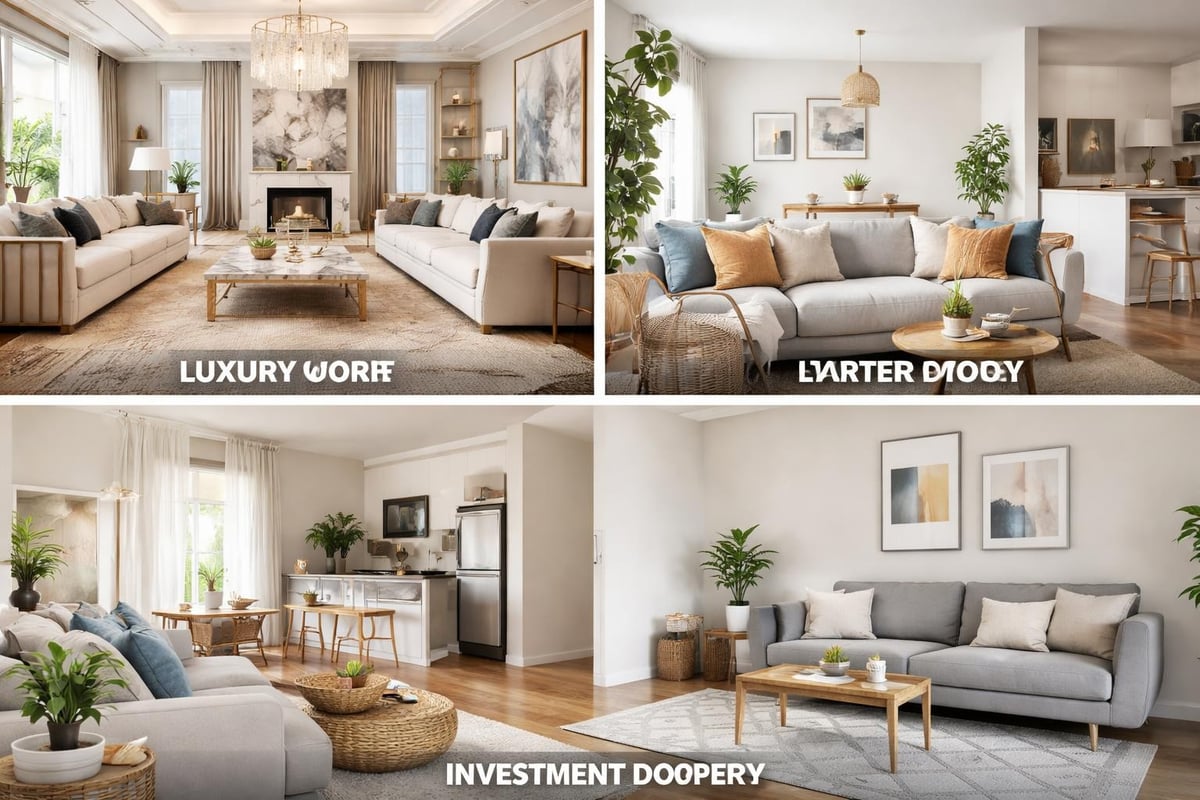
Not all properties require the same staging strategy. Successful real estate professionals tailor their approach based on target demographics, property characteristics, and local market conditions.
Luxury Properties
High-end listings demand sophisticated staging that matches the quality expectations of affluent buyers. These properties benefit from:
- Designer furniture pieces that complement architectural details
- Carefully curated art and accessories reflecting refined taste
- Multi-room staging that showcases the full lifestyle potential
- Attention to outdoor living spaces and entertainment areas
Luxury buyers expect perfection in every detail, making comprehensive staging non-negotiable in this market segment.
Starter Homes and Mid-Range Properties
Budget-conscious buyers prioritize functionality and value. Staging these properties focuses on:
- Living room and master bedroom as the two highest-impact spaces
- Neutral, contemporary styles that appeal to broad demographics
- Space maximization showing how furniture fits comfortably
- Clean, uncluttered presentations that highlight square footage
Strategic partial staging often delivers excellent results without requiring full-home furniture rental.
Investment Properties and Rentals
Properties marketed to investors or rental tenants need staging that demonstrates income potential and tenant appeal. This specialized approach emphasizes durability, multi-functional spaces, and market-appropriate furnishings that reflect realistic tenant expectations.
Traditional Versus Virtual Staging Solutions
The staging industry has undergone a technological revolution, with AI-powered virtual staging emerging as a viable alternative to traditional furniture rental. Understanding the strengths and appropriate applications of each approach helps real estate professionals make informed decisions.
Traditional Physical Staging
Physical staging involves renting furniture and accessories that are delivered, arranged, and removed after the property sells. Comprehensive staging statistics show this approach remains highly effective, particularly for:
- Occupied homes where existing furniture detracts from the presentation
- Luxury properties where tactile experience matters during showings
- Markets where buyers expect to see fully staged homes
- Properties with challenging layouts requiring spatial demonstration
The primary drawbacks include higher costs, longer setup times, and logistical complexity managing furniture inventory.
Virtual Staging Technology
Virtual staging uses software to digitally insert photorealistic furniture into images of empty rooms. Modern AI solutions like Try Furnishly’s virtual staging platform have dramatically improved quality and accessibility. This approach offers distinct advantages:
Speed and efficiency benefits:
- Images ready within hours instead of days
- No scheduling coordination for delivery and setup
- Instant revisions to try different furniture styles
- Scalable across multiple listings simultaneously
Cost and flexibility advantages:
- Fraction of traditional staging expense
- No furniture rental or return logistics
- Easy updates if property doesn't sell quickly
- Multiple style variations to test market response
Virtual staging works exceptionally well for initial online marketing, allowing properties to make strong first impressions that generate showing requests. Transparency matters, however, as listing regulations require disclosure that images are virtually staged.
| Feature | Traditional Staging | Virtual Staging |
|---|---|---|
| Cost | $2,000 – $10,000+ | $29 – $200 |
| Timeline | 3-7 days setup | Hours |
| In-Person Impact | Full sensory experience | Requires disclosure |
| Flexibility | Limited changes | Unlimited revisions |
| Best Application | High-end showings | Online marketing |
Implementing Effective Staging Strategies
Successful staging requires more than simply filling empty rooms with furniture. Real estate professionals who achieve consistent results follow systematic approaches that maximize staging investment.
Pre-Staging Property Preparation
Before any furniture arrives, physical or virtual, properties need proper preparation:
- Deep cleaning including windows, floors, and all surfaces
- Minor repairs addressing visible damage or maintenance issues
- Neutral paint covering bold colors that limit buyer imagination
- Decluttering removing personal items and excess belongings
- Lighting optimization maximizing natural and artificial light sources
These foundational steps ensure staging elements shine without competing against distracting property flaws.
Room Prioritization Matrix
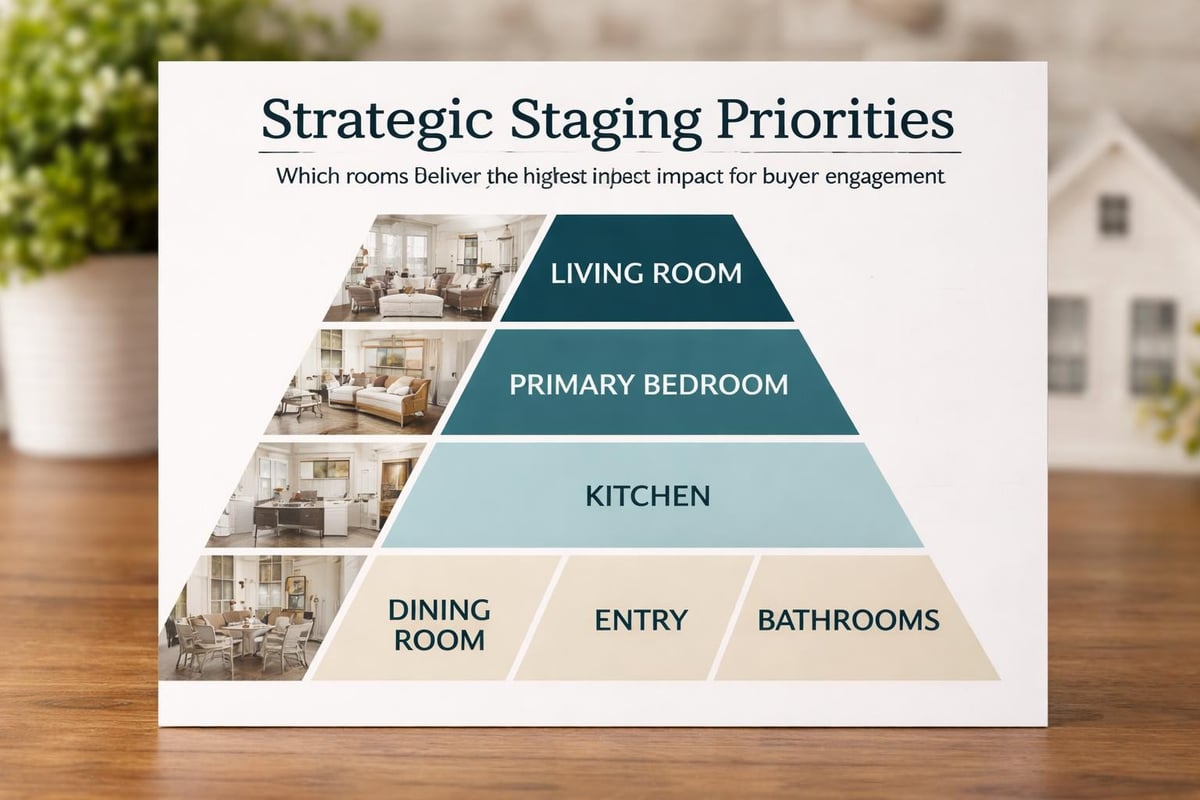
Budget constraints often require strategic choices about which spaces receive staging attention. Industry guides recommend focusing resources where they generate maximum impact:
Highest priority spaces:
- Living room (primary gathering and impression space)
- Master bedroom (buyers imagine their personal retreat)
- Kitchen (although often staged minimally with accessories)
- Main bathroom (spa-like presentation adds value perception)
Secondary priority spaces:
- Dining room (demonstrates entertaining potential)
- Home office (increasingly important post-pandemic)
- Outdoor living areas (weather permitting)
Lowest priority spaces:
- Additional bedrooms beyond master
- Basement recreation areas
- Utility rooms and storage
This prioritization ensures limited budgets target areas where buyers spend the most time during showings and that photograph most prominently in listing marketing.
Market Data Supporting Staging Effectiveness
The staging industry's growth reflects its proven impact on real estate transactions. Recent data shows that almost half of sellers’ agents report staging reduces time on market, with many properties receiving offers within the first few weeks of listing.
Buyer Agent Perspectives
Staging influences how buyer agents perceive and present properties to their clients. When asked about staging impact:
- 82% of buyer agents say staging makes it easier for buyers to visualize the property as their future home
- 47% report staging positively affects the dollar amount buyers are willing to offer
- 44% state staging has at least some effect on their clients' view of the property
These statistics demonstrate that staging creates measurable advantages throughout the transaction process, not just in initial marketing.
Time on Market Reduction
Every additional day a property sits on the market costs sellers money through mortgage payments, utilities, insurance, and opportunity costs. Staging in real estate directly addresses this challenge:
- Properties staged before listing typically sell 73% faster than unstaged homes
- Homes staged after listing see average time on market reduced by 30-50%
- Virtual staging for online marketing generates 61% more showings than unstaged listings
The velocity benefit alone often justifies staging investment, particularly in competitive markets where buyer attention spans are measured in seconds.
Modern Staging Trends Shaping 2026
The staging industry continuously evolves to reflect changing buyer preferences and technological capabilities. Real estate professionals who stay current with these trends position their listings for maximum appeal.
Contemporary Minimalism
Today's buyers favor clean lines, uncluttered spaces, and neutral color palettes that allow them to project their own style preferences. Gone are the days of heavy traditional furniture and bold accent walls. Modern staging emphasizes:
- Light wood tones and neutral upholstery
- Strategic negative space highlighting room dimensions
- Minimal accessories that suggest rather than dominate
- Natural textures adding warmth without visual weight
This aesthetic approach photographs exceptionally well and appeals across demographic segments.
Sustainable and Biophilic Elements
Environmental consciousness influences buying decisions, particularly among millennial and Gen Z purchasers. Staging that incorporates sustainable materials, energy-efficient fixtures, and natural elements resonates strongly with these demographics.
Popular biophilic staging elements include:
- Indoor plants suggesting air quality and connection to nature
- Natural light maximization through window treatments
- Organic materials like wood, stone, and natural fibers
- Earth-tone color schemes creating calming environments
Technology Integration
Smart home features have transitioned from luxury amenities to expected standards. Staging that subtly showcases technology integration appeals to modern buyers:
- Smart thermostats and lighting controls prominently displayed
- Home office setups with proper connectivity infrastructure
- Entertainment systems demonstrating media capabilities
- Charging stations and USB outlets highlighted
The key is demonstrating technology without making spaces feel cold or impersonal.
Selecting Staging Partners and Resources
Real estate professionals have multiple options when implementing staging strategies. Choosing the right approach depends on budget, timeline, property characteristics, and target market expectations.
Traditional Staging Companies
Full-service staging firms handle everything from consultation to furniture selection, delivery, and removal. When evaluating potential partners, consider:
- Portfolio quality and style range
- Inventory availability and condition
- Service area and delivery logistics
- Pricing structure and contract terms
- Insurance coverage and liability protection
Establish relationships with multiple staging companies to ensure capacity during busy seasons and access to diverse furniture styles.
Virtual Staging Platforms
Modern virtual staging technology delivers professional results through user-friendly platforms. The Try Furnishly gallery showcases the photorealistic quality now achievable with AI-powered solutions.
When evaluating virtual staging services, prioritize:
- Image quality and realism ensuring furniture appears naturally integrated
- Style variety matching diverse property types and target demographics
- Turnaround time meeting listing deadline requirements
- Pricing transparency with clear per-image or subscription costs
- Revision policies allowing style adjustments without additional fees
Virtual staging particularly benefits agents managing multiple listings simultaneously or working with budget-conscious sellers.
Hybrid Approaches
Many successful real estate professionals combine traditional and virtual staging strategically:
- Virtual staging for initial online marketing and buyer interest generation
- Physical staging of key rooms for scheduled showings
- Traditional staging for luxury properties supplemented with additional virtual room renderings
- Virtual staging for vacant properties with physical staging added if showing volume justifies investment
This flexible approach optimizes budget allocation while maintaining presentation quality across all buyer touchpoints.
Regulatory Compliance and Disclosure Requirements
As virtual staging gains popularity, regulatory bodies have established guidelines ensuring buyers receive accurate property representations. Real estate professionals must navigate these requirements carefully to avoid legal complications.
MLS Disclosure Standards
Most Multiple Listing Services now require clear disclosure when listing photos include virtual staging. Standard compliance practices include:
- Watermarking virtually staged images with "Virtually Staged" text
- Including disclosure statements in listing descriptions
- Separating virtually staged images from actual property photos
- Providing unstaged images upon buyer request
These requirements protect buyers from misrepresentation while allowing agents to leverage virtual staging benefits.
Fair Housing Considerations
Staging choices must comply with fair housing regulations prohibiting discrimination. Best practices include:
- Avoiding decor suggesting religious, cultural, or political affiliations
- Using diverse representation in any lifestyle photography
- Selecting furniture that accommodates various physical abilities
- Maintaining neutral approaches to family composition and lifestyle
Professional staging inherently follows these guidelines by focusing on broad appeal rather than narrow demographic targeting.
Measuring Staging Success and ROI
Real estate professionals should track staging performance across listings to refine their approach and demonstrate value to clients. Key metrics include:
Quantitative measurements:
- Days on market compared to area averages
- Sale price relative to listing price
- Number of showings generated within first two weeks
- Offer count and competitive bidding instances
Qualitative indicators:
- Buyer feedback during and after showings
- Agent comments from other brokerages
- Online engagement metrics (saves, shares, inquiries)
- Photography and listing presentation quality
Maintaining detailed records allows agents to build compelling case studies demonstrating staging ROI when consulting with future sellers. Comprehensive staging data supports marketing materials and listing presentations that convert skeptical sellers into staging advocates.
Advanced Staging Techniques for Challenging Properties
Some properties present unique staging challenges requiring creative problem-solving. Experienced real estate professionals develop specialized approaches for these situations.
Small Space Maximization
Compact properties benefit from staging that creates the illusion of spaciousness:
- Scale-appropriate furniture avoiding oversized pieces
- Mirrors strategically placed to reflect light and expand visual space
- Vertical storage and display drawing eyes upward
- Multi-functional furniture demonstrating flexible use
Virtual staging offers particular advantages here, as digital furniture can be precisely sized to optimize perceived room dimensions.
Awkward Layouts and Odd Rooms
Properties with unusual floor plans or purpose-ambiguous spaces confuse buyers. Staging provides clear functional context:
- Define room purpose through appropriate furniture selection
- Create traffic flow with furniture arrangement guiding movement
- Highlight positives drawing attention to architectural features
- Minimize negatives through strategic furniture placement and lighting
A well-staged awkward space becomes a unique selling feature rather than a buyer concern.
Dated Properties Requiring Modernization
Homes with outdated finishes benefit from staging that bridges the gap between current condition and buyer expectations:
- Contemporary furniture contrasting with older finishes to suggest potential
- Lighting that minimizes dated elements while highlighting positives
- Minimal accessories avoiding visual clutter that emphasizes age
- Strategic room focus directing attention to updated spaces
This approach helps buyers see past cosmetic issues to underlying property value.
Building Staging into Your Real Estate Business Model
Top-performing agents integrate staging into their standard service offering rather than treating it as an occasional add-on. This systematic approach delivers consistent results and differentiates their marketing.
Listing Presentation Integration
Successful agents incorporate staging discussion into every listing consultation:
- Present before/after examples demonstrating staging impact
- Share market data supporting staging ROI
- Offer staging options at multiple price points
- Include basic staging in commission structure or as value-added service
This proactive approach positions staging as expected rather than optional, increasing adoption rates.
Strategic Partner Network
Building relationships with staging professionals creates competitive advantages:
Benefits of established staging partnerships:
- Priority scheduling during peak seasons
- Preferred pricing for volume referrals
- Streamlined communication and process efficiency
- Consistent quality meeting brand standards
Many agents negotiate exclusive partnerships or preferred vendor status that benefits both parties.
Marketing Staging Success Stories
Documented staging successes become powerful marketing tools attracting future listings. Effective approaches include:
- Before/after photo galleries on websites and social media
- Video testimonials from satisfied sellers
- Blog content detailing staging transformations
- Case studies with specific numbers (days saved, price increases)
These materials demonstrate expertise while educating potential clients about staging value. The Try Furnishly FAQ provides excellent examples of how to address common staging questions in marketing materials.
Staging in real estate has evolved from optional enhancement to essential marketing strategy, with data consistently demonstrating its impact on sale prices, market time, and buyer engagement. Real estate professionals who master both traditional and virtual staging approaches position themselves competitively in markets where online presentation determines which properties receive serious buyer consideration. Try Furnishly offers an accessible entry point for agents ready to leverage AI-powered virtual staging technology, delivering photorealistic results in hours rather than days while maintaining the budget flexibility that allows staging across entire listing portfolios.
Leave a Comment