

The real estate industry has witnessed a dramatic transformation in property marketing over the past few years, with technology reshaping how properties are presented to potential buyers. Staging virtual properties has emerged as a powerful solution for real estate professionals seeking to showcase properties at their full potential without the substantial costs and logistical challenges of traditional physical staging. This innovative approach leverages artificial intelligence and advanced rendering technology to transform vacant or outdated spaces into beautifully furnished, market-ready homes that capture buyer imagination and drive faster sales.
The Evolution of Property Presentation in Real Estate
Physical staging has long been recognized as an essential tool for real estate marketing, with staged homes historically selling faster and for higher prices than their unstaged counterparts. However, the traditional approach comes with significant drawbacks that have pushed the industry toward digital alternatives.
Traditional staging requires substantial upfront investment, typically ranging from $3,000 to $10,000 per property, depending on size and duration. Staging virtual properties eliminates these costs while delivering comparable or superior results. The physical logistics of moving furniture, coordinating designers, and maintaining staged properties create scheduling challenges that can delay listings by weeks.
Cost Comparison and ROI Analysis
The financial case for virtual staging becomes compelling when examining the numbers side by side:
| Staging Method | Average Cost | Setup Time | Flexibility | Update Speed |
|---|---|---|---|---|
| Traditional Physical | $3,000-10,000 | 1-3 weeks | Limited | Days to weeks |
| Virtual Staging | $29-99 per room | Minutes to hours | Unlimited | Instant |
| Hybrid Approach | $1,500-5,000 | 3-7 days | Moderate | 2-5 days |
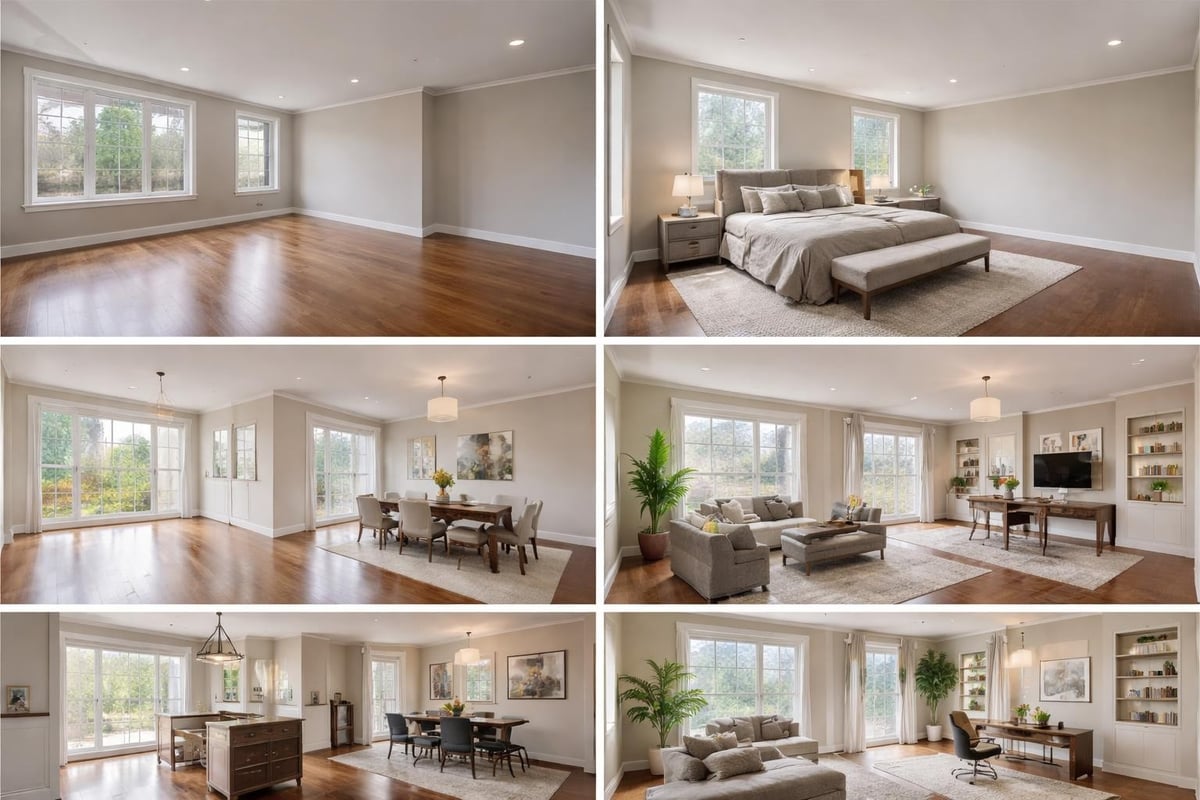
Real estate agents who adopt staging virtual solutions report average time-on-market reductions of 73% compared to unstaged properties, with some properties receiving offers within days of listing. The technology has matured significantly, with AI-powered platforms now producing photorealistic images indistinguishable from professionally photographed staged homes.
How AI-Powered Virtual Staging Works
Understanding the technology behind staging virtual properties helps real estate professionals make informed decisions about implementation. Modern AI virtual staging platforms employ sophisticated algorithms trained on millions of interior design images to understand spatial relationships, lighting conditions, and design principles.
The process begins when users upload photographs of empty rooms to the platform. Advanced computer vision algorithms analyze the image, identifying walls, floors, windows, and architectural features. The system calculates perspective, lighting angles, and shadow patterns to ensure furnishings integrate naturally into the space.
The Rendering Process Explained
Machine learning models then select and place furniture pieces that complement the room's dimensions and style. The AI considers factors like:
- Room proportions and optimal furniture scale
- Natural lighting direction and intensity
- Architectural features that influence design choices
- Target demographic preferences and market trends
- Design coherence across multiple rooms in a listing
The rendering engine generates photorealistic shadows, reflections, and textures that match the original photograph's lighting conditions. This attention to detail creates images that buyers perceive as authentic staged spaces rather than digital composites.
Quality platforms offer extensive furniture libraries spanning multiple design aesthetics, from contemporary minimalism to traditional elegance. Real estate professionals can select styles that appeal to their target market demographics, with the flexibility to generate multiple versions showcasing different design approaches for the same space.
Strategic Implementation for Real Estate Professionals
Successfully integrating staging virtual technology into your real estate marketing strategy requires thoughtful planning and execution. The most effective practitioners approach virtual staging as one component of a comprehensive property marketing ecosystem rather than a standalone tactic.
Disclosure practices represent a critical consideration when using virtually staged images. Ethical implementation requires clear communication with potential buyers about which images show virtual furnishings. The National Association of Realtors and various state regulations mandate specific disclosure language on listings featuring digitally enhanced images.
Best Practices for Maximum Impact
Implement these strategies to optimize your virtual staging results:
- Photograph properties professionally before staging to ensure high-quality source images
- Stage strategically by prioritizing rooms that most influence buying decisions
- Maintain consistency across design styles within a single property listing
- Provide both versions showing empty and staged images to build buyer trust
- Update seasonally to keep listings fresh and relevant to current market conditions
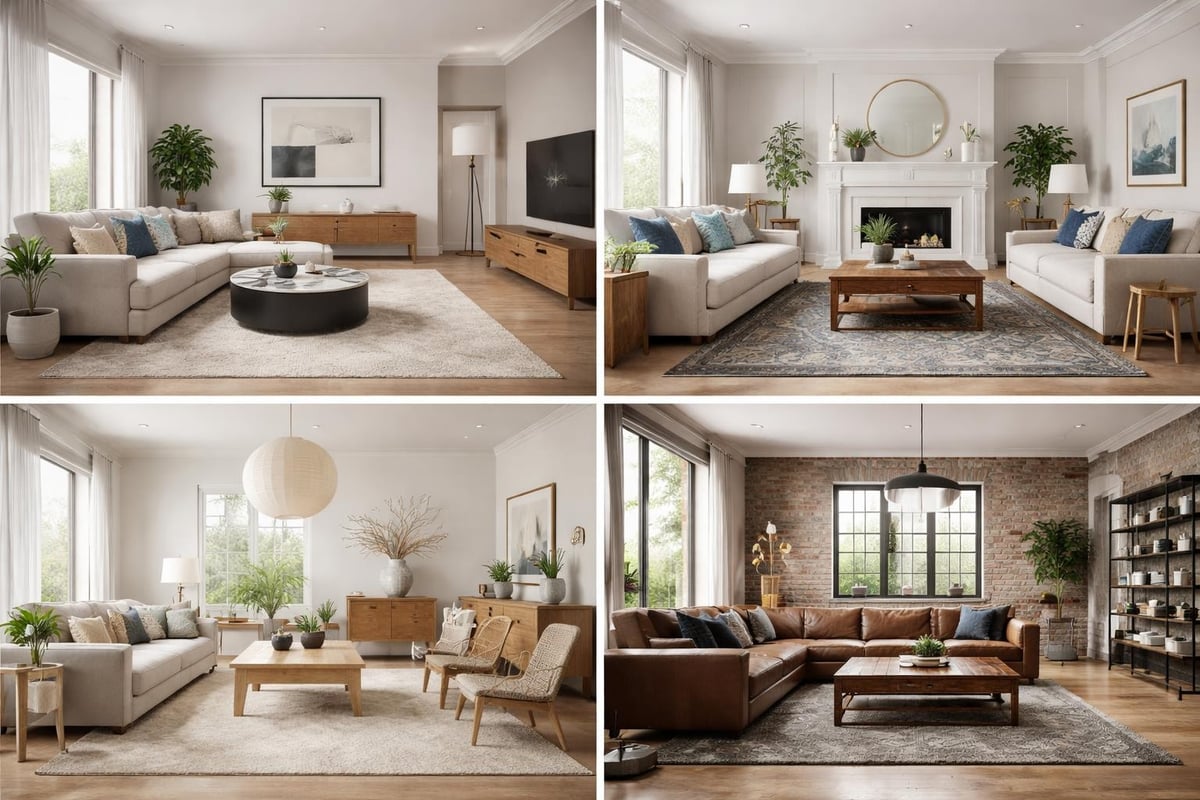
The virtual staging gallery showcases the diverse possibilities available through AI-powered platforms, demonstrating how different furniture styles can dramatically alter a space's perceived value and appeal.
Properties benefiting most from staging virtual include vacant homes, new construction, inherited properties with outdated furnishings, and investment properties requiring quick turnaround. The technology proves particularly valuable in competitive markets where listings must stand out among hundreds of similar properties.
Market Response and Buyer Psychology
Understanding how buyers respond to virtually staged properties provides insight into why this technology delivers measurable results. Neuroscience research reveals that human brains process visual information 60,000 times faster than text, making property photographs the most influential factor in initial buyer interest.
Empty rooms present a cognitive challenge for buyers, who must mentally visualize furniture placement, traffic flow, and livable spaces. This mental work creates friction that reduces emotional engagement with the property. Staging virtual rooms eliminates this barrier, allowing buyers to immediately envision themselves living in the space.
Statistical Performance Metrics
Data from multiple real estate markets demonstrates the impact of virtual staging on key performance indicators:
| Metric | Unstaged Properties | Virtually Staged Properties | Improvement |
|---|---|---|---|
| Online Views | 1,000 average | 4,200 average | +320% |
| Showing Requests | 3-5 per week | 15-22 per week | +380% |
| Time on Market | 147 days | 40 days | -73% |
| Sale Price vs. List | 93% of asking | 98% of asking | +5% |
Real estate virtual staging case studies document specific examples where properties languishing on the market for months received multiple offers within weeks after implementing virtual staging. The visual transformation creates urgency among buyers who perceive the property as move-in ready.
Psychological anchoring also plays a role in buyer perception. When buyers view beautifully furnished spaces, they establish higher value expectations that justify premium pricing. This effect persists even when buyers understand the furnishings are virtual, as the images demonstrate the space's potential rather than making false representations.
Technology Integration and Workflow Optimization
Real estate teams maximizing ROI from staging virtual technology develop streamlined workflows that integrate the tool into existing marketing processes. Efficiency gains multiply when virtual staging becomes a standard step rather than an occasional enhancement.
Photography scheduling should account for virtual staging requirements, ensuring photographers capture images with appropriate angles, lighting, and resolution. Wide-angle shots work best for virtual staging, providing the AI system with complete room context for accurate furniture placement and perspective rendering.
Building an Efficient Production Pipeline
Professional real estate teams typically establish workflows following this sequence:
Photography Phase: Schedule professional photography during optimal natural lighting conditions, typically mid-morning for best results. Capture multiple angles of each room to provide options for virtual staging selection.
Image Selection: Review photographs to identify which rooms require staging and which angles best showcase each space. Prioritize living rooms, master bedrooms, and kitchens, as these rooms most influence buying decisions.
Staging Execution: Upload selected images to your virtual staging platform, choosing furniture styles aligned with target buyer demographics. The staging interface typically allows style customization and furniture selection refinement.
Quality Review: Examine rendered images for realistic shadows, proper scale, and design coherence. Professional platforms produce ready-to-use images, though some practitioners request minor adjustments for specific marketing goals.
Listing Distribution: Incorporate virtually staged images into MLS listings, property websites, social media marketing, and print materials, always including appropriate disclosure language.
Teams processing multiple properties simultaneously benefit from batch workflows and template approaches. Creating style guides for different property types (luxury condos, suburban family homes, urban apartments) accelerates decision-making and ensures brand consistency across listings.
Advanced Applications and Creative Strategies
Beyond basic room staging, innovative real estate professionals leverage virtual staging technology for creative marketing applications that differentiate their listings. These advanced strategies demonstrate properties' versatility and appeal to broader buyer segments.
Multi-style presentations showcase the same space with different furniture styles, allowing buyers with varied aesthetic preferences to envision their personal design vision. A single living room might be presented in contemporary, traditional, and transitional styles, tripling the listing's appeal range.
Seasonal and Demographic Targeting
Strategic marketers adjust staging virtual presentations based on seasonal factors and target demographics. Properties listed during winter holidays might feature festive decorations and cozy furnishings, while summer listings emphasize bright, airy designs. Demographic targeting considers factors like:
- Young professionals prefer modern, minimalist aesthetics with home office spaces
- Growing families respond to functional layouts with designated play areas
- Downsizing retirees appreciate accessible, low-maintenance design elements
- Luxury buyers expect high-end furnishings and sophisticated styling
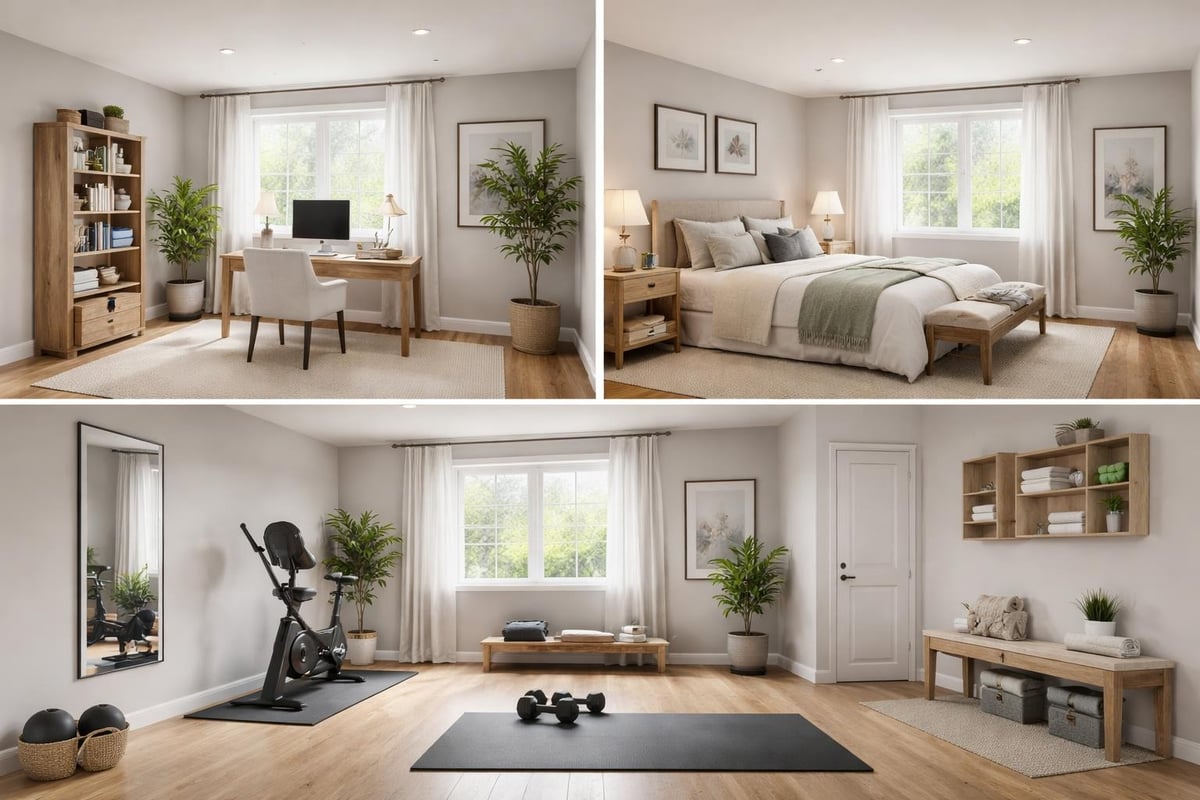
Properties with flexible spaces benefit particularly from virtual staging that demonstrates multiple use cases. A spare bedroom might be staged alternatively as a home office, nursery, or fitness room, expanding the property's perceived functionality.
Virtual renovation previews represent another advanced application, where outdated spaces are digitally updated to show potential after cosmetic improvements. This approach works exceptionally well for properties requiring minor updates that buyers might overlook when viewing current conditions.
Platform Selection and Feature Comparison
Choosing the right virtual staging platform significantly impacts results quality, workflow efficiency, and overall ROI. The market offers numerous options ranging from basic automated services to premium platforms with extensive customization capabilities.
Essential Platform Features
Evaluate potential platforms against these critical criteria:
Rendering Quality: Photorealistic output that convincingly integrates virtual furniture with original photographs represents the foundational requirement. Request sample renderings from properties similar to your typical listings.
Furniture Library: Comprehensive style selections ensure you can match any property type or target demographic. Premium platforms offer thousands of furniture pieces across dozens of design categories.
Turnaround Speed: Processing time directly impacts listing schedules. Modern AI-powered platforms like those specializing in AI virtual staging pricing complete renderings in seconds to minutes rather than hours or days.
Customization Options: Ability to specify furniture styles, color schemes, and individual piece selection provides marketing flexibility for unique properties or special situations.
User Interface: Intuitive platforms reduce training time and minimize errors, particularly important for teams with multiple users or varying technical skill levels.
Compliance Features: Built-in watermarking or disclosure language generation helps maintain ethical standards and regulatory compliance across all staged images.
Price structures vary significantly across providers, from per-image pricing to monthly subscriptions with unlimited rendering. High-volume agents typically benefit from subscription models, while occasional users may prefer pay-per-use approaches.
Quality Control and Ethical Considerations
Maintaining high standards for staging virtual presentations protects both professional reputations and buyer relationships. Quality control processes should evaluate technical accuracy and ethical presentation practices.
Common quality issues include furniture scale mismatches, perspective distortions, lighting inconsistencies, and unrealistic shadows. These problems typically result from low-quality source photographs or inadequate AI training data. Professional platforms with mature algorithms rarely produce these errors, but review remains essential.
Establishing Quality Standards
Develop checklist-based review processes covering:
- Proportion accuracy: Furniture sized appropriately for room dimensions
- Perspective alignment: Virtual elements matching photograph angles
- Lighting consistency: Shadows and highlights corresponding to existing light sources
- Design coherence: Furniture styles complementing architectural features
- Functional realism: Room layouts supporting actual livability
Ethical considerations extend beyond technical quality to honest representation. While staging virtual properties helps buyers visualize potential, images should represent achievable realities rather than impossible fantasies. Avoid staging configurations that wouldn't physically fit or suggesting features the property doesn't possess.
Transparency builds trust with buyers and protects against potential legal challenges. Clear disclosure distinguishes professional marketing from deceptive practices, establishing credibility that benefits long-term business relationships.
Integration with Broader Marketing Strategies
Staging virtual properties delivers maximum value when integrated into comprehensive digital marketing campaigns. The enhanced images serve as foundation content for multi-channel distribution strategies that maximize property exposure.
Social media platforms particularly benefit from visually compelling content. Virtually staged images generate significantly higher engagement rates than empty room photographs, with metrics showing 3-5 times more shares, comments, and click-throughs on platforms like Instagram, Facebook, and Pinterest.
Multi-Channel Distribution Approaches
Email Marketing: Property showcase emails featuring virtually staged images achieve open rates 40-60% higher than text-focused alternatives. Before-and-after comparisons create compelling visual narratives that drive recipient engagement.
Video Tours: Integrate staged images into video walkthroughs, alternating between actual footage and virtually furnished rooms. This approach maintains transparency while demonstrating potential throughout the property tour.
Print Materials: High-quality renderings translate effectively to brochures, postcards, and magazine advertisements. The professional presentation elevates perceived property value and agent expertise.
Website Optimization: Property detail pages featuring multiple staged images keep visitors engaged longer, reducing bounce rates and improving search engine optimization signals.
The frequently asked questions section addresses common concerns about virtual staging implementation, helping agents confidently explain the process to clients and buyers.
Measuring Success and Optimizing Results
Data-driven approaches to staging virtual implementation enable continuous improvement and ROI maximization. Establish baseline metrics before implementation and track performance changes across multiple properties and time periods.
Key performance indicators worth monitoring include:
- Time to first showing after listing publication
- Total showing requests within first 30 days
- Online engagement metrics (views, saves, shares)
- Offer timeline from listing to first acceptable offer
- Final sale price as percentage of asking price
- Client satisfaction scores from sellers and buyers
| Performance Period | Average Days to Offer | Sale Price Ratio | Marketing Cost per Sale |
|---|---|---|---|
| Pre-Virtual Staging | 89 days | 94.2% | $1,847 |
| First 6 Months | 52 days | 96.8% | $1,234 |
| After 12 Months | 38 days | 98.1% | $892 |
A/B testing different staging styles for similar properties provides insights into buyer preferences within specific market segments. Properties in the same neighborhood or price range can be staged with varying aesthetics, with performance data revealing which approaches resonate most strongly with target buyers.
Geographic and seasonal patterns often emerge from systematic analysis. Certain neighborhoods may respond better to specific design styles, while seasonal factors influence color preferences and furnishing choices. Documentation of these patterns informs future staging decisions and improves efficiency.
Future Developments in Virtual Staging Technology
The staging virtual landscape continues evolving rapidly as artificial intelligence capabilities advance and market adoption increases. Understanding emerging trends helps real estate professionals prepare for upcoming opportunities and maintain competitive advantages.
Augmented reality integration represents the next frontier, allowing buyers to view virtually staged properties through smartphone apps during in-person showings. This technology bridges the gap between digital presentation and physical experience, helping buyers visualize furnished spaces while standing in empty rooms.
Customization engines will soon enable buyers to specify their preferred furniture styles and instantly see properties staged according to personal preferences. This interactive approach personalizes the shopping experience and increases emotional investment in specific properties.
Automated optimization using machine learning will analyze historical performance data to automatically recommend staging styles most likely to appeal to specific buyer demographics. These systems will consider factors including property location, price point, architectural style, and current market trends.
Virtual staging platforms are expanding beyond residential real estate into commercial properties, event spaces, and hospitality applications. The fundamental technology transfers readily to offices, retail spaces, restaurants, and hotels, opening new market opportunities for early adopters.
Staging virtual properties has transformed from an innovative experiment into an essential real estate marketing tool, delivering measurable improvements in property presentation, buyer engagement, and sales performance. The technology's evolution continues accelerating, with AI-powered platforms offering unprecedented quality, speed, and affordability compared to traditional staging approaches. Try Furnishly provides real estate professionals with cutting-edge AI virtual staging capabilities that transform empty spaces into photorealistic, beautifully furnished rooms in seconds, helping you reduce time on market while maximizing property value and marketing impact.
Leave a Comment