

The real estate market in 2026 demands sophisticated marketing strategies that capture buyer attention instantly. Staging real estate has evolved from a luxury service to an essential component of successful property sales, with data consistently showing its impact on both sale prices and market timing. Whether you're a real estate agent, property investor, or homeowner preparing to list, understanding how to leverage staging effectively can significantly influence your bottom line. Modern staging solutions now combine traditional design principles with cutting-edge technology, offering unprecedented flexibility and cost-effectiveness for properties at every price point.
The Financial Impact of Staging Real Estate
Professional staging delivers measurable returns that justify the investment. Research from the National Association of Realtors confirms that staging impacts both pricing and market timing, with nearly 29% of agents observing value increases between 1% and 10%.
Quantifiable Benefits for Sellers
The numbers tell a compelling story about staging effectiveness:
- Premium pricing: Staged properties consistently command higher offers compared to vacant or unstaged alternatives
- Accelerated sales cycles: Properties spend significantly less time on the market when professionally presented
- Competitive positioning: Staged listings stand out in crowded markets with multiple comparable properties
- Broader buyer appeal: Furnished spaces help diverse buyer demographics visualize themselves in the home
Market data reveals that staged homes sell for substantially more than non-staged properties, with some reports indicating average increases of 25% in specific markets.
Return on Investment Calculations
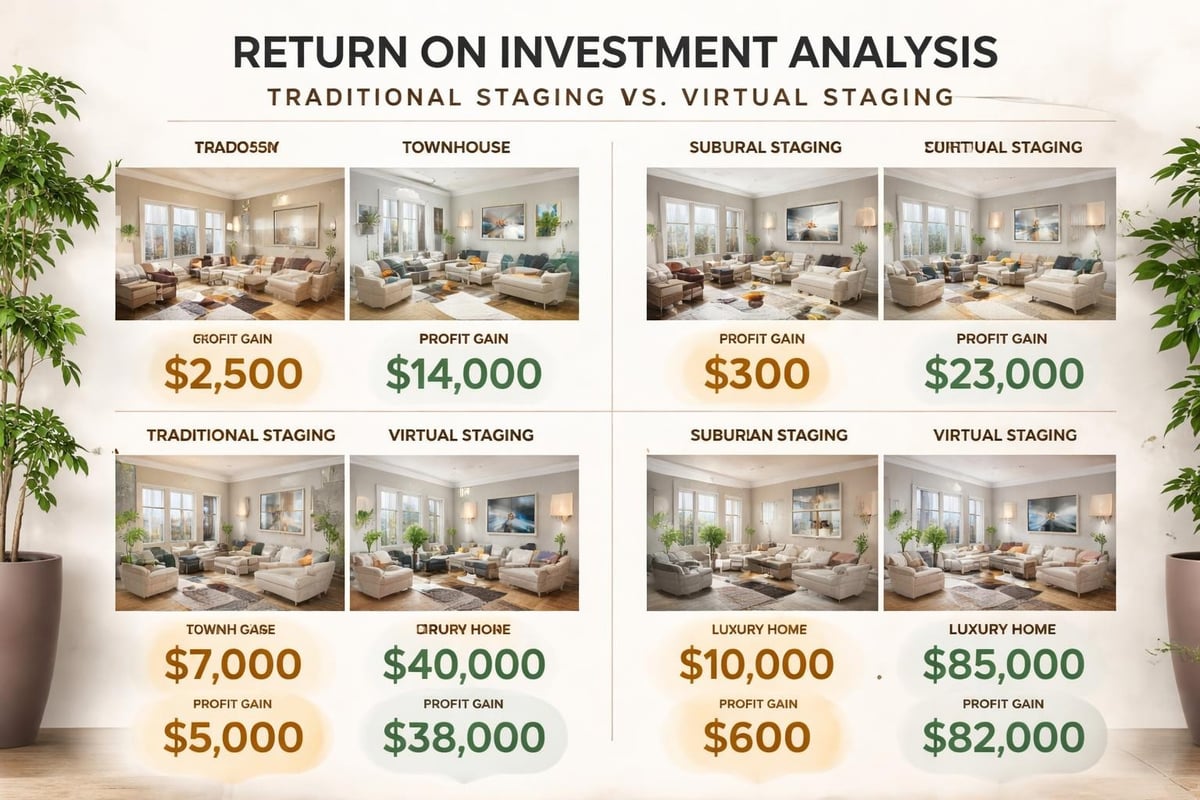
Understanding the financial equation behind staging real estate helps agents and sellers make informed decisions. The typical staging investment ranges from 1% to 3% of a property's listing price, depending on the home's size, condition, and market positioning.
| Investment Type | Average Cost | Typical Return | Break-Even Threshold |
|---|---|---|---|
| Traditional Physical Staging | $3,000-$10,000 | 5%-15% sale price increase | 0.5%-2% price improvement |
| Virtual Staging | $200-$800 | 3%-10% sale price increase | 0.2%-0.5% price improvement |
| Partial Staging (Key Rooms) | $1,500-$5,000 | 3%-8% sale price increase | 0.3%-1% price improvement |
Most real estate professionals find that even conservative staging investments yield positive returns when factoring in both price premiums and reduced carrying costs from faster sales.
Strategic Approaches to Staging Real Estate
Effective staging requires more than simply placing furniture in empty rooms. The most successful strategies align design choices with target buyer demographics, market conditions, and property characteristics.
Identifying Your Target Buyer Profile
Before selecting furniture styles or color schemes, define who will most likely purchase the property:
- First-time homebuyers respond to warm, inviting spaces that demonstrate functionality
- Growing families need to see how spaces accommodate multiple activities and storage needs
- Empty nesters and downsizers appreciate sophisticated, low-maintenance designs
- Luxury buyers expect high-end finishes, designer furnishings, and unique architectural features
- Investors and flippers focus on neutral palettes that maximize broad market appeal
Each demographic requires different staging approaches. Young professionals might respond to modern minimalist designs with home office spaces, while families need clearly defined areas for dining, homework, and play.
Room Prioritization Strategy
Not every room requires equal staging investment. Focus resources on spaces that generate the strongest buyer responses:
High-impact areas include the living room, primary bedroom, and kitchen. These spaces appear in virtually every listing photo and receive the most attention during showings. Professional staging in these rooms reduces days on market according to agent reports.
Secondary spaces such as dining rooms, home offices, and additional bedrooms benefit from staging but may receive simplified treatments. The goal is demonstrating functionality without excessive decoration.
Minimal staging areas include laundry rooms, hallways, and closets where cleanliness and organization matter more than furnishings.
Traditional Versus Virtual Staging Approaches
The staging industry has undergone dramatic transformation with technological advancements. Real estate professionals now choose between physical staging, virtual alternatives, or hybrid approaches combining both methods.
Physical Staging Considerations
Traditional staging involves renting furniture, accessories, and decor to physically furnish properties. This approach offers tangible benefits:
- Buyers experience actual dimensions and spatial relationships during in-person showings
- Photographed spaces accurately represent what visitors will see
- Sensory elements like textures and lighting create emotional connections
- No disclosure requirements about digitally altered imagery
However, physical staging presents logistical challenges including coordination with movers, rental periods aligned with unpredictable sale timelines, and ongoing monthly costs if properties linger on the market.
Virtual Staging Revolution
Digital staging technology has matured significantly, now producing photorealistic results that rival traditional methods. The evolution of virtual home staging reflects broader technological trends in real estate marketing.
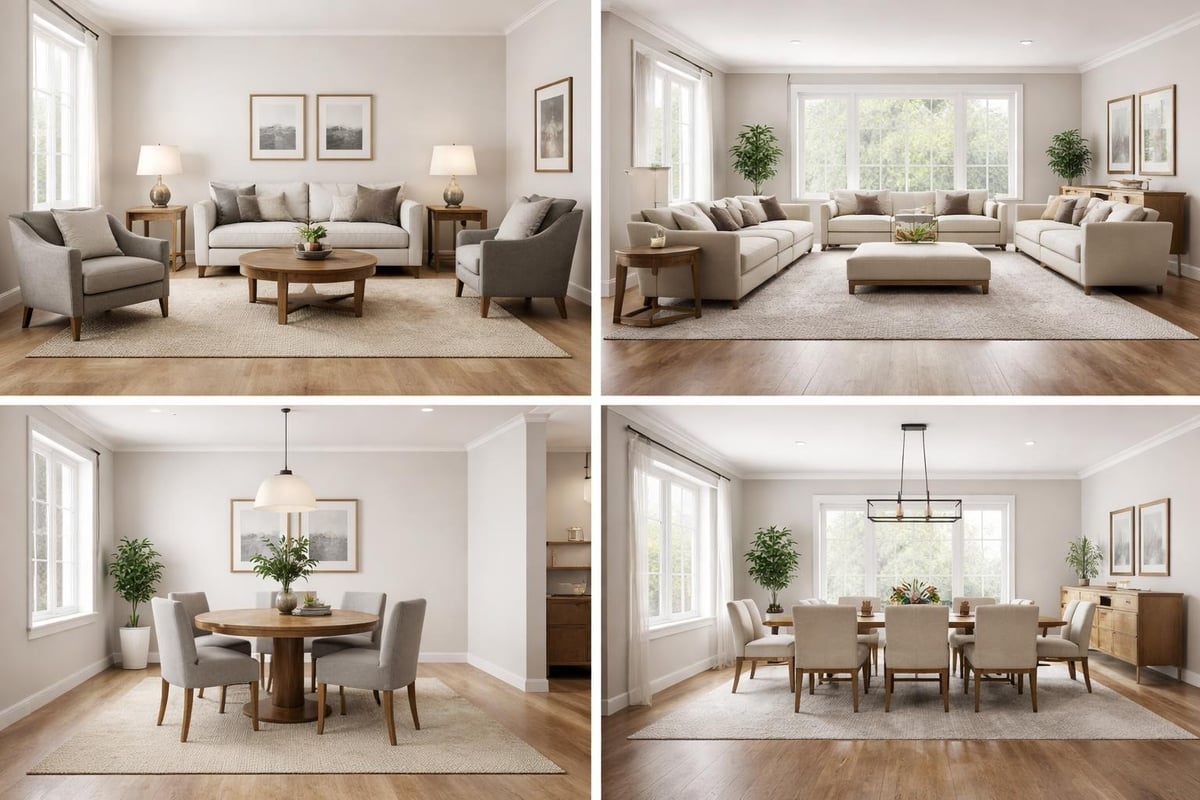
Modern AI-powered platforms transform empty room photographs into fully furnished spaces within seconds. The Try Furnishly gallery showcases the quality achievable with current virtual staging technology, demonstrating diverse style options across multiple room types.
Virtual staging advantages include:
- Immediate turnaround times measured in hours rather than weeks
- Cost reductions of 80%-90% compared to physical staging
- Unlimited design variations to test different buyer appeals
- Easy updates if market positioning requires style changes
- No physical coordination with property access or furniture delivery
The primary consideration involves disclosure. Most MLS systems and consumer protection regulations require clearly identifying virtually staged images, though this transparency rarely diminishes buyer interest when professionally executed.
Staging Real Estate for Maximum Market Impact
Beyond furniture placement, successful staging addresses psychological and practical elements that influence buyer decisions.
Color Psychology and Design Choices
Neutral palettes dominate staging recommendations for valid reasons. Whites, grays, beiges, and soft earth tones:
- Appeal to the broadest buyer demographics
- Photograph well under various lighting conditions
- Allow buyers to envision their own belongings in the space
- Create clean, sophisticated atmospheres that suggest good maintenance
- Provide flexible backgrounds for accent colors in artwork or accessories
Strategic accent colors can differentiate listings without alienating buyers. Current trends favor:
| Accent Color | Best Applications | Psychological Impact | Market Segments |
|---|---|---|---|
| Navy Blue | Bedrooms, studies | Calm, professional, stable | Professionals, families |
| Sage Green | Living rooms, bathrooms | Relaxing, natural, modern | Eco-conscious, wellness-focused |
| Warm Terracotta | Dining areas, kitchenettes | Inviting, energetic, social | Entertainers, foodies |
| Charcoal Gray | Home offices, media rooms | Sophisticated, focused, masculine | Executives, bachelors |
Scale and Proportion Guidelines
One of the most common staging mistakes involves furniture that doesn't match room dimensions. Oversized pieces make spaces feel cramped, while undersized furnishings suggest rooms are smaller than reality.
Professional stagers follow these proportions:
- Living rooms: Sofas should occupy approximately 60%-70% of the longest wall
- Bedrooms: Queen beds work in rooms 10×10 feet or larger; king beds require 12×12 feet minimum
- Dining areas: Allow 36 inches between table edges and walls for comfortable chair movement
- Office spaces: Desk placement should leave 40 inches clearance for chair and movement
Virtual staging offers unique advantages here, allowing precise furniture scaling matched to room measurements without the trial-and-error of physical placement.
Market-Specific Staging Strategies
Geographic location, property type, and local market conditions all influence optimal staging approaches.
Urban Versus Suburban Properties
City properties often emphasize space efficiency and multi-functional design. Urban buyers accept smaller square footage when staging demonstrates clever storage, convertible spaces, and lifestyle amenities. Highlight:
- Home office capabilities in one-bedroom units
- Dining areas that accommodate entertaining despite limited space
- Outdoor access including balconies, patios, or roof decks
- Storage solutions integrated into design
Suburban staging focuses on family functionality and lifestyle comfort. These buyers prioritize:
- Defined spaces for different family activities
- Kid-friendly durability in finishes and furnishings
- Outdoor living areas that extend usable square footage
- Garage organization and mudroom functionality
Luxury Property Staging Requirements
High-end properties demand elevated staging sophistication. Luxury buyers expect:
- Designer furnishings that complement architectural features
- Artwork and accessories that demonstrate cultural sophistication
- Technology integration showing smart home capabilities
- Outdoor living staged with the same attention as interior spaces
- Lifestyle vignettes that tell stories about the property's unique selling propositions
The 2024 DMV real estate market insights demonstrate how competitive markets require differentiated staging strategies to stand out.
Practical Implementation for Real Estate Professionals
Agents incorporating staging into standard listing procedures establish competitive advantages in their markets.
Building Staging into Your Marketing Process
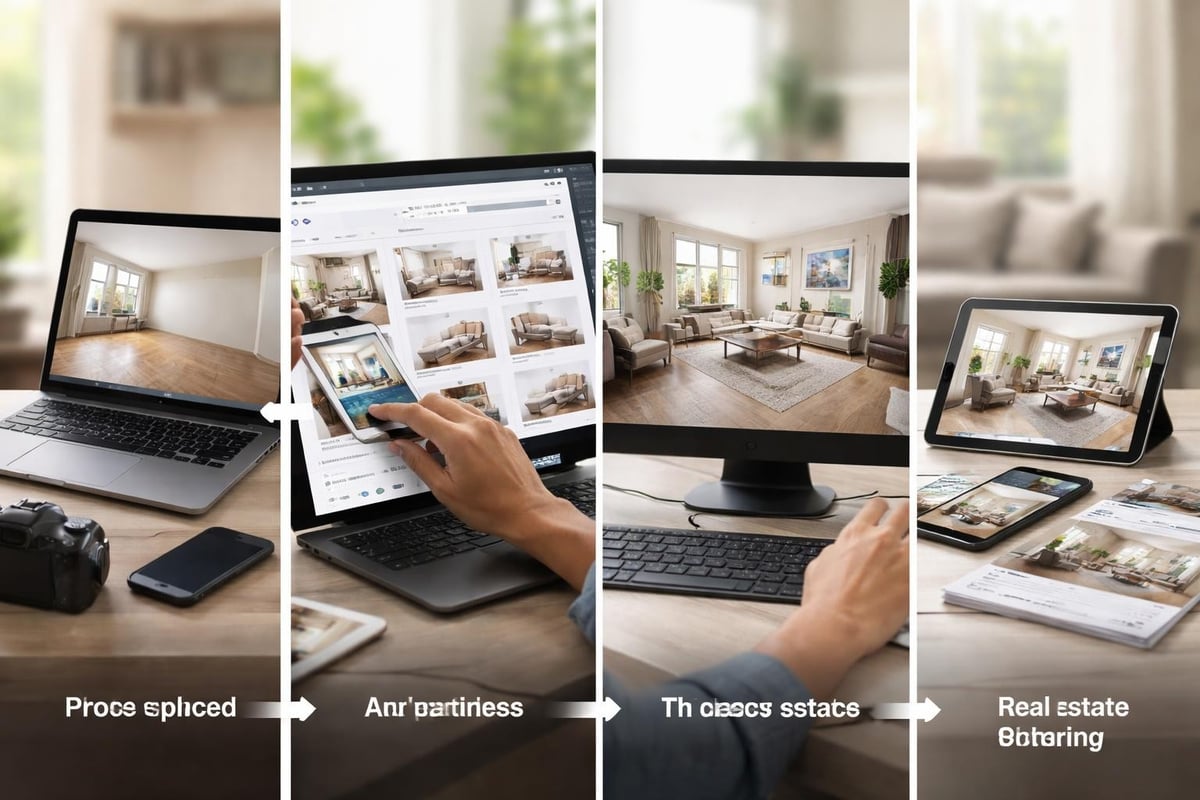
Successful agents treat staging as a non-negotiable marketing expense rather than an optional upgrade. The process typically follows this sequence:
- Property assessment during initial listing consultation
- Budget allocation based on property price and condition
- Staging strategy selection (physical, virtual, or hybrid)
- Implementation timeline coordinated with photography
- Marketing deployment across all listing platforms
Presenting staging as included in listing services (with costs embedded in commission structures) differentiates agents from competitors while ensuring consistent property presentation quality.
Vendor Selection and Management
Whether choosing physical staging companies or virtual staging services, evaluate providers based on:
- Portfolio quality: Review completed projects similar to your listings
- Turnaround speed: Confirm timelines align with your marketing schedule
- Pricing transparency: Understand all costs including rush fees or revision charges
- Design flexibility: Assess style variety and customization options
- Client communication: Test responsiveness during initial inquiries
Many agents develop preferred vendor relationships, streamlining the staging process across multiple listings while potentially negotiating volume discounts.
Technology Integration in Modern Staging
The intersection of staging real estate and technology extends beyond virtual furniture placement into comprehensive marketing ecosystems.
3D Virtual Tours and Digital Staging
Modern buyers increasingly rely on online property exploration before scheduling in-person showings. Combining virtual staging with 3D walkthroughs creates immersive experiences that generate qualified leads.
Advanced platforms allow:
- Interactive floor plans showing furniture layouts and room functions
- Virtual reality experiences for remote buyers or out-of-state investors
- Day/night visualizations demonstrating natural light and evening ambiance
- Seasonal variations showing properties in different weather conditions
This technology proves particularly valuable for new construction or gut-renovated properties where buyers cannot visualize finished spaces.
AI-Powered Design Optimization
Artificial intelligence now analyzes buyer preferences, market trends, and property characteristics to recommend optimal staging approaches. Machine learning algorithms:
- Process thousands of comparable sales to identify successful design patterns
- Predict which furniture styles generate the most buyer interest for specific demographics
- Optimize camera angles and lighting for maximum visual impact
- Suggest price adjustments based on staging quality and market positioning
The Try Furnishly pricing reflects how AI technology reduces staging costs while maintaining professional quality standards.
Common Staging Mistakes to Avoid
Even experienced professionals occasionally make errors that diminish staging effectiveness.
Over-Personalization Issues
Staging should create aspirational yet achievable visions of life in the property. Avoid:
- Excessive personal items like family photos, religious symbols, or political memorabilia
- Niche hobby displays that appeal to narrow demographics
- Trendy design elements that may quickly feel dated
- Bold color schemes that polarize rather than attract buyers
The goal involves creating emotional connections without triggering negative reactions from any buyer segment.
Ignoring Property Deficiencies
Strategic staging highlights positive features while minimizing attention to less desirable elements. However, attempting to hide major deficiencies backfires:
Don't stage around foundation issues, water damage, or obvious needed repairs. Address these problems directly or price accordingly while staging emphasizes the property's potential post-renovation.
Do stage to minimize minor imperfections like older fixtures, dated flooring, or awkward layouts. Proper furniture placement and lighting can redirect attention toward better features.
Budget Allocation Errors
Overspending on staging low-value properties or under-investing in high-end listings both represent strategic mistakes:
- Entry-level properties ($200,000-$400,000): Virtual staging often provides optimal cost-benefit ratios
- Mid-range properties ($400,000-$800,000): Partial physical staging of key rooms with virtual staging for secondary spaces
- Luxury properties ($800,000+): Full physical staging with designer furnishings justifies premium positioning
Comprehensive staging statistics help agents benchmark appropriate investment levels for different property categories.
Measuring Staging Effectiveness
Data-driven approaches to staging real estate allow continuous improvement in marketing strategies.
Key Performance Indicators
Track these metrics across staged versus unstaged listings:
- Days on market: Compare average listing duration
- Showing volume: Measure request frequency following listing activation
- Offer quantity: Count competing bids generated
- Sale price percentage: Calculate sold price as percentage of asking price
- Photography engagement: Monitor online listing views and saved favorites
Maintaining these records across multiple transactions reveals patterns that inform future staging decisions.
A/B Testing Opportunities
Virtual staging enables testing different design approaches for the same property:
- Upload identical room photos with alternative furniture styles
- Monitor which versions generate more online engagement
- Adjust final staging based on buyer response data
- Apply insights to future listings with similar characteristics
This experimental approach, impossible with physical staging, optimizes marketing effectiveness based on actual market feedback rather than assumptions.
Seasonal Staging Considerations
Buyer psychology and practical concerns shift throughout the year, requiring adaptive staging strategies.
Spring and Summer Staging
Peak buying season demands properties ready for immediate showing. During warmer months:
- Emphasize outdoor living spaces with patio furniture, planters, and entertainment areas
- Use lighter color palettes that reinforce seasonal freshness
- Highlight natural light through open window treatments and strategically placed mirrors
- Stage gardens and yards to showcase landscaping potential
Properties hitting the market in spring benefit from maximum buyer competition, justifying enhanced staging investments.
Fall and Winter Approaches
Colder months present different psychological triggers:
- Create cozy atmospheres with throws, pillows, and warm lighting
- Emphasize energy efficiency through modern windows, updated HVAC systems
- Stage holiday-neutral designs that feel festive without specific religious associations
- Highlight indoor comfort through reading nooks, home theaters, and gathering spaces
Winter staging often proves more cost-effective due to reduced market competition, allowing strategic investments that differentiate listings.
Future Trends in Staging Real Estate
The staging industry continues evolving with emerging technologies and changing buyer expectations.
Sustainability and Eco-Conscious Design
Growing environmental awareness influences staging choices:
- Sustainable materials in furniture and accessories appeal to eco-conscious buyers
- Energy-efficient appliances and fixtures demonstrate long-term value
- Natural elements like plants and organic textures create wellness-oriented atmospheres
- Minimal waste staging through virtual solutions reduces environmental impact
Properties marketed with sustainability narratives command premiums in many markets, particularly among millennial and Gen Z buyers.
Augmented Reality Integration
Emerging AR applications allow buyers to visualize alternative furniture arrangements and design options during property showings. Smartphone apps overlay digital furniture onto empty rooms in real-time, combining physical space experience with virtual staging flexibility.
This technology bridges the gap between traditional and virtual staging, providing customization without physical logistics.
Demographic-Specific Customization
Advanced data analytics enable hyper-targeted staging aligned with likely buyer profiles. Properties in neighborhoods attracting specific demographics receive staging optimized for those preferences, increasing conversion rates from views to offers.
Staging real estate represents one of the highest-return investments available in property marketing, consistently delivering measurable improvements in both sale prices and market timing. By implementing strategic staging approaches tailored to property characteristics and buyer demographics, real estate professionals position listings for maximum competitive advantage. Try Furnishly transforms this process through AI-powered virtual staging that delivers professional results in seconds, allowing agents to market properties with designer-quality presentations at a fraction of traditional staging costs.
Leave a Comment