
The real estate market in 2026 is witnessing intense competition, with technology rapidly reshaping how properties are marketed and sold. Virtual staging tools, including visual stager, are at the forefront of this transformation, giving agents and sellers a powerful edge.
This article delivers a clear, unbiased comparison between visual stager and the leading virtual staging solutions. You will explore the evolution of digital staging, detailed analyses of top tools, feature and pricing comparisons, user experiences, and expert recommendations.
Discover how innovative virtual staging can elevate your property marketing strategy in 2026, and find the best solution for your unique needs.
The Evolution of Virtual Staging: 2020-2026
The virtual staging landscape has transformed rapidly over the past six years. What began as an emerging trend is now a central pillar of real estate marketing. The widespread adoption of tools like visual stager has shifted industry standards, helping agents and sellers present properties more effectively.
The Rise of Virtual Staging in Real Estate
Virtual staging moved from a niche service to a mainstream expectation. By 2026, nearly every real estate listing leverages digital staging for maximum appeal. Studies show that 85% of staged properties achieve or exceed the asking price, highlighting the impact of staging on buyer perception and sales outcomes. According to home staging effectiveness statistics, buyers now expect photorealistic online listings as standard.
Market drivers include the rise of remote buying, digital-first property searches, and the significant cost savings over traditional staging. Visual stager is emblematic of this shift, providing accessible tools that cater to both professionals and homeowners. The expectation has changed: virtual staging is no longer a luxury, but a necessity.
Key Technological Advancements (AI, 3D, Automation)
From 2020 to 2026, rapid advances in AI and automation have revolutionized virtual staging workflows. AI-powered rendering now produces high-quality images in minutes, making it possible for agents to deliver impressive results quickly. The integration of 3D modeling and augmented reality (AR) allows prospective buyers to experience staged spaces more immersively.
Automated design recommendations, often tailored to room type and buyer demographics, streamline the process. For example, visual stager and its competitors use AI to suggest optimal furniture layouts, increasing overall appeal. Technology has significantly narrowed the gap between virtual and physical staging, raising buyer expectations for realism and interactivity.
How User Needs Have Changed in 2026
User expectations for virtual staging have evolved alongside technology. Real estate professionals now demand fast, customizable, and scalable solutions. The choice between DIY and full-service options is more nuanced, with many preferring hybrid workflows that offer both flexibility and professional support.
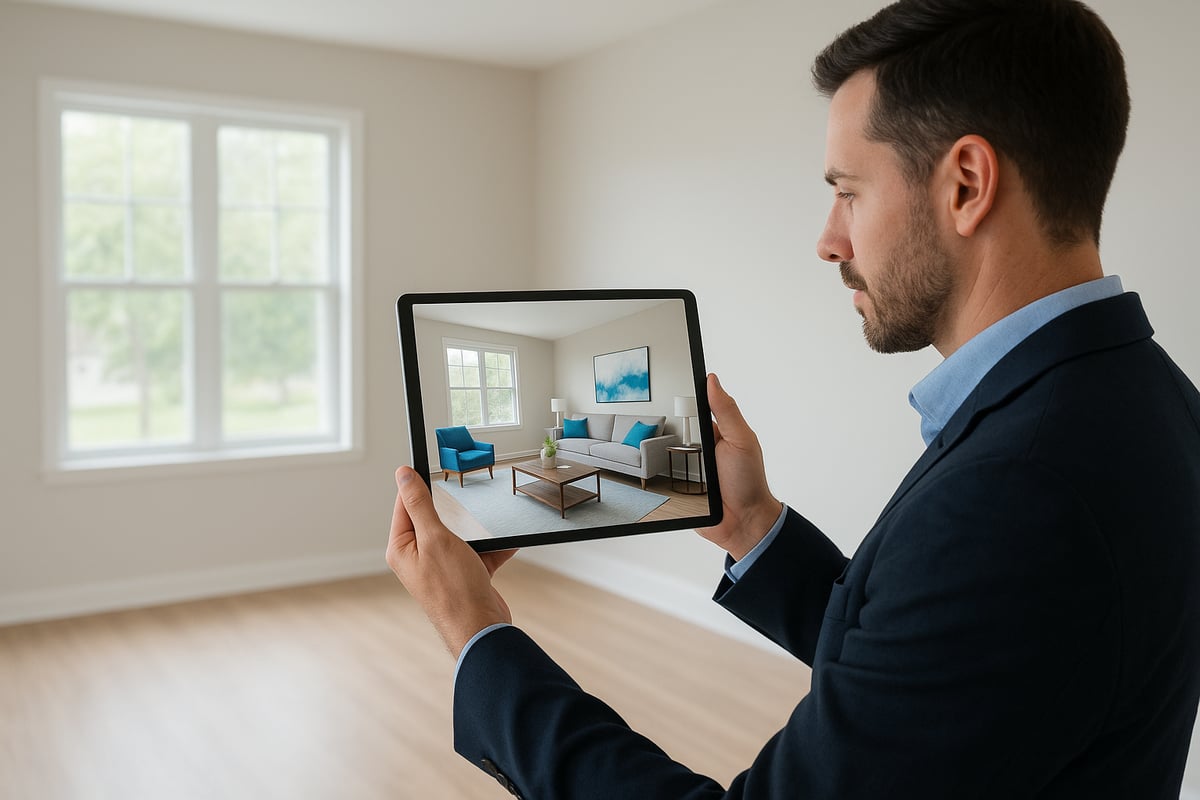
Mobile usability and cloud-based platforms are now essential. Agents routinely use tablets to stage and edit listing photos live during property visits. Visual stager responds to these needs by offering browser-based access and real-time editing capabilities. Today, speed, photorealism, and ease of use are the top priorities for users across the industry.
Leading Virtual Staging Tools on the Market
The competitive landscape in 2026 features several prominent tools. Visual stager is known for its robust DIY platform, while PhotoUp and similar services provide designer-led experiences. Key differentiators include catalog size, design style variety, pricing models, and support features.
For instance, visual stager offers a vast catalog and flexible credits, while PhotoUp emphasizes curated design and additional marketing services. Market share data reflects the growing user base for both solutions, as agents and marketers seek platforms that align with their business models. Comparing catalog features and workflow options helps users find the best fit for their specific needs.
Visual Stager: Deep Dive & 2026 Feature Set
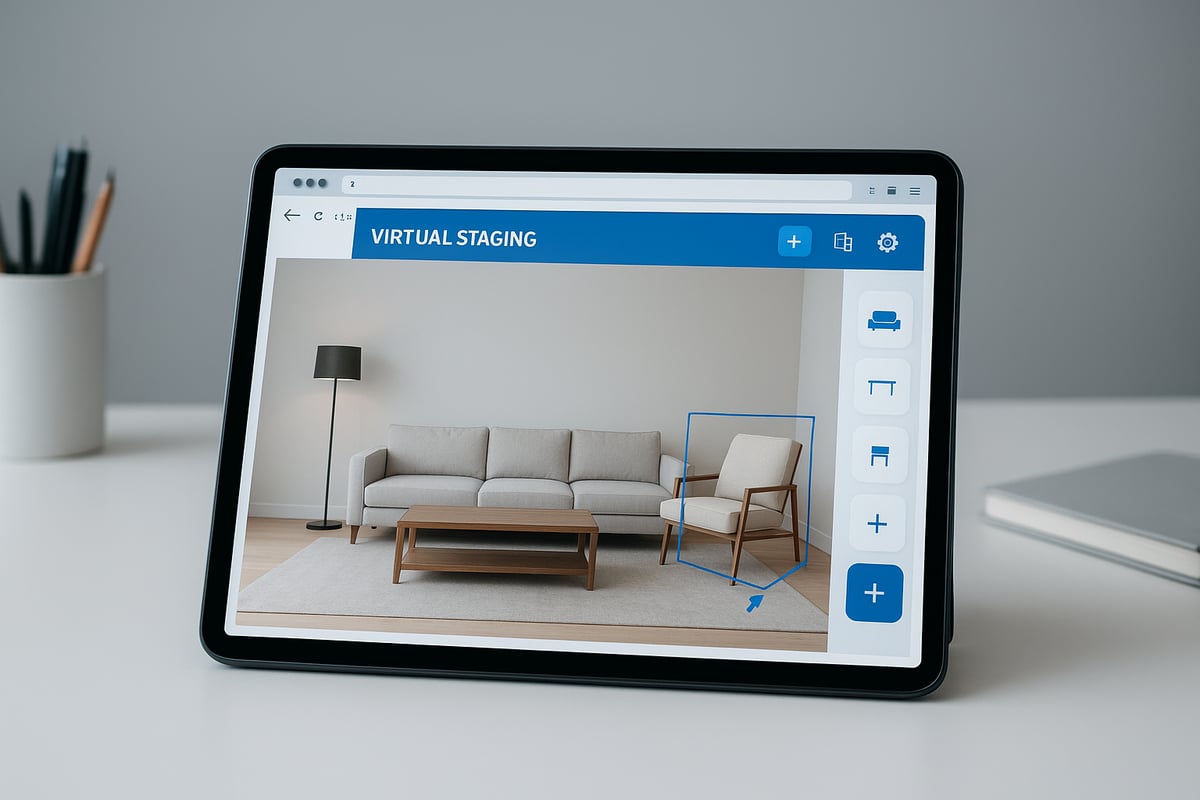
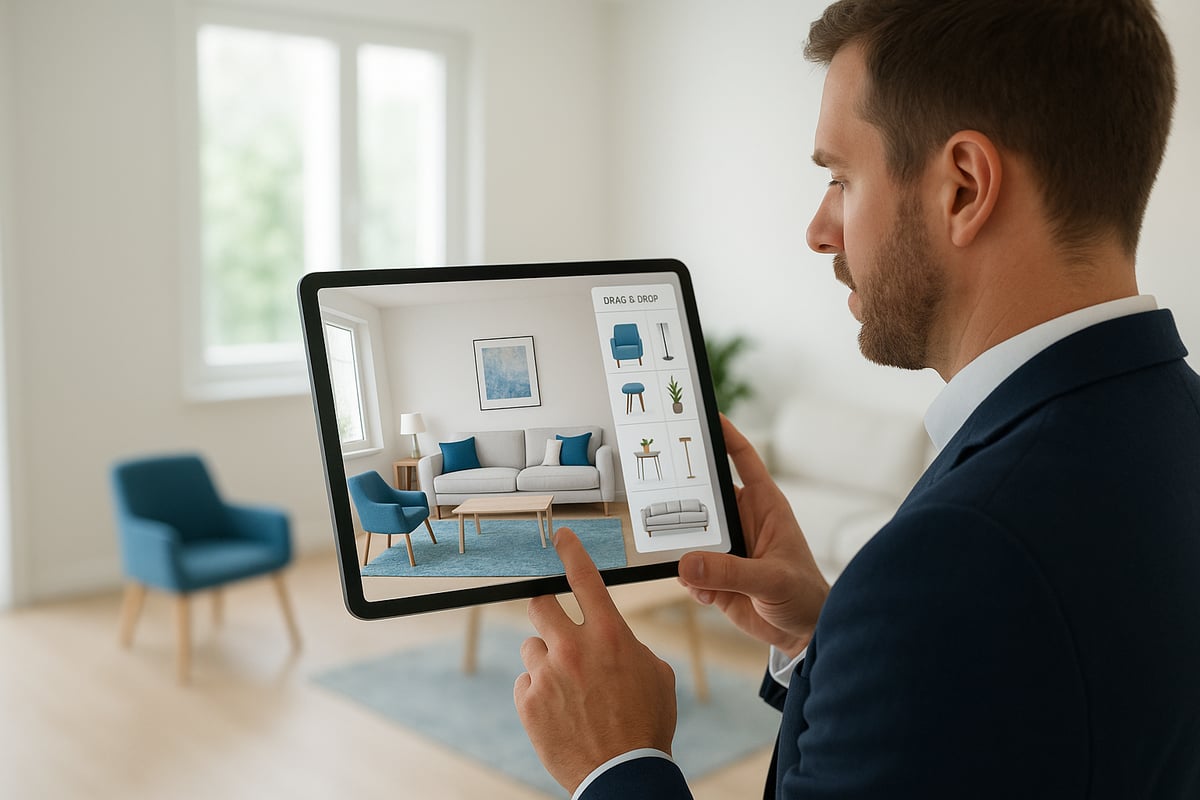
Visual stager has become a cornerstone in the virtual staging industry, known for empowering real estate agents, photographers, and property managers to create appealing property images without professional designers. Launched in Pleasanton, California, visual stager quickly evolved as a browser-based, DIY solution, eliminating the need for software downloads. Its intuitive drag-and-drop interface allows users to stage empty rooms with ease, making it a popular choice for those who value direct control over the staging process. Over the years, visual stager has built a strong reputation for accessibility and user-driven design.
What is Visual Stager? Core Concept & History
Visual stager was developed to meet the needs of real estate professionals seeking a fast, flexible, and affordable way to virtually stage properties. Its core concept focuses on DIY staging through a cloud-based platform, allowing users to transform photos of empty rooms into inviting, furnished spaces. The platform’s user base includes agents, photographers, and property managers who benefit from its browser-based approach. Visual stager's unique selling proposition is its accessibility from any device, with no installation required. The company, based in Pleasanton, California, has continued to innovate, making the staging process more efficient and user-friendly for a wide audience.
Visual Stager’s 2026 Capabilities & Tools
In 2026, visual stager boasts a comprehensive catalog of over 4,000 furniture and decor items, catering to a wide range of residential and commercial spaces. The platform offers advanced drag-and-drop functionality, improved layering for realistic arrangements, and lighting adjustment tools to enhance image quality. Users can stage 360-degree photos, remove watermarks for a polished finish, and add custom branding with ease. Regular catalog updates keep styles current, and new features are rolled out to address evolving user needs. Visual stager’s tools enable users to add rugs, artwork, and other finishing touches, ensuring each staged image stands out in a crowded real estate market.
Workflow: DIY Process from Upload to Final Image
Getting started with visual stager is straightforward. Users create an account, upload their photos, and begin staging by selecting items from the extensive catalog. The drag-and-drop interface allows for precise placement and easy adjustments. Unlimited revisions are available, letting users refine their designs until satisfied. Once the staging is complete, high-resolution images are instantly available for download. The platform operates on a credit-based payment system, with a free trial for new users. For a step-by-step overview of how the online staging process works, see how online staging works. This efficiency makes visual stager a favorite among agents who need control and quick results.
Pricing Structure, Subscriptions, and Value
Visual stager employs a transparent, credit-based pricing model. Staging a standard photo costs $15, with discounts offered for purchasing credits in bulk. Watermark removal is available as an additional service for a small fee. High-volume users can opt for a monthly subscription, which provides further savings and flexibility. For 360-degree photos, the cost per image is slightly higher, reflecting the additional complexity. Compared to industry averages, visual stager remains competitive, offering affordability without sacrificing core features. The platform’s pay-as-you-go approach is ideal for agents managing varying listing volumes throughout the year.
| Service Type | Cost per Image | Watermark Removal | Subscription Option |
|---|---|---|---|
| Standard Photo | $15 | Extra fee | Yes |
| 360-Degree Photo | Higher | Extra fee | Yes |
Strengths and Limitations in 2026
Visual stager’s strengths lie in its affordability, flexibility, and the speed of its DIY process. Users benefit from immediate access to staging tools and can work from any location with internet access. The platform’s unlimited revisions and extensive catalog make it adaptable to various property types. However, some users experience a learning curve, particularly when searching the catalog or achieving high levels of realism. Design outcomes can vary based on user skill, and occasional catalog search inconsistencies may affect workflow. Visual stager is best suited for hands-on users who are comfortable with design tools and do not require extra real estate marketing services beyond staging.
Top Virtual Staging Tools Compared: Features & Performance
The virtual staging market in 2026 is crowded with advanced tools, each catering to different needs. To help you navigate, this section compares visual stager with PhotoUp and other industry leaders, focusing on features, performance, and value.
PhotoUp and Other Leading Alternatives
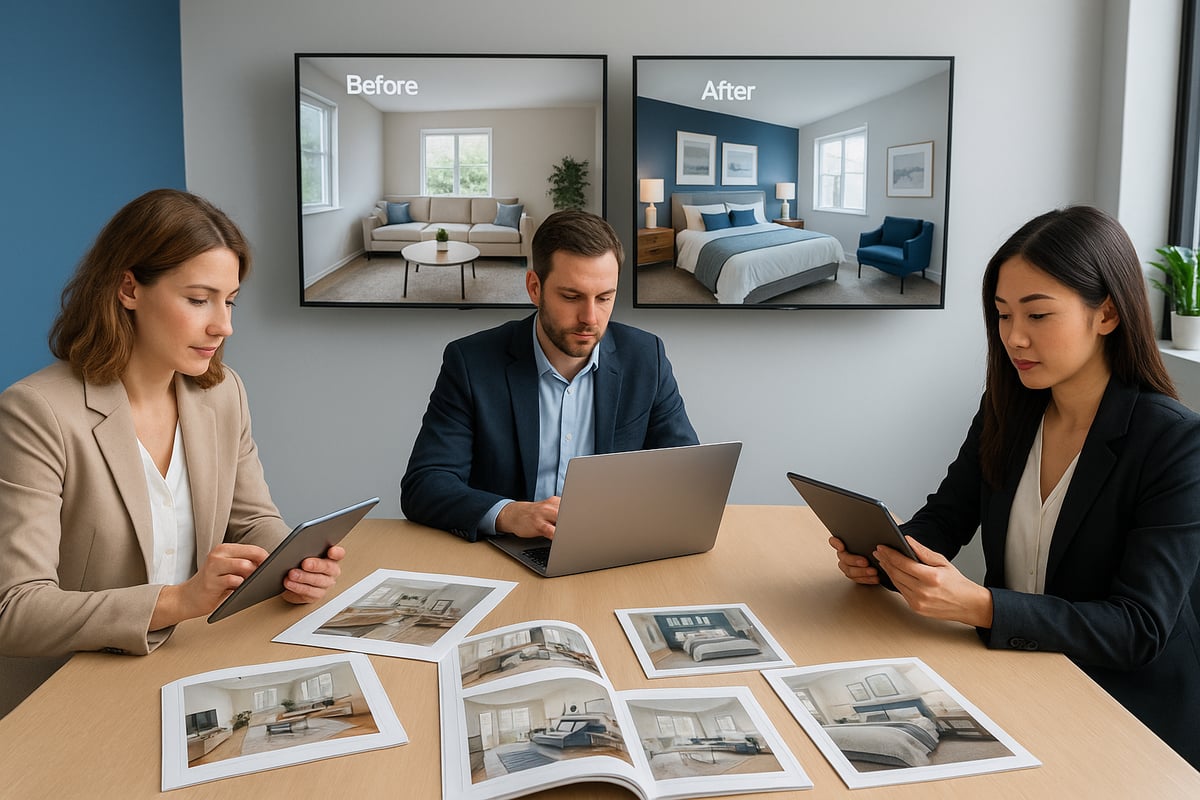
PhotoUp stands out in 2026 as a full-service virtual staging provider, offering professional designer input for every project. Unlike visual stager, which empowers users to stage photos themselves, PhotoUp delivers hand-crafted results with US-based support and a global design team.
Other notable platforms in the market provide a mix of DIY tools and designer-led services. The main differentiators are the level of creative control, turnaround speed, and integration with other marketing solutions. For instance, PhotoUp typically returns finished images within 24 to 48 hours, while visual stager allows immediate download upon completion.
Catalogs & Design Style Variety
Catalog size and design variety are crucial for agents aiming to appeal to diverse buyer demographics. Visual stager offers a catalog of over 4,000 furniture and decor items, covering everything from minimalist to eclectic styles. However, catalog search can be challenging, making it harder to find the perfect piece quickly.
In contrast, PhotoUp organizes its offerings with 11 decor styles, 18 room types, and 21 design accessories, streamlining the browsing experience. Options like Scandinavian, Modern, Farmhouse, and Commercial are easily accessible. The breadth of visual stager's catalog is impressive, but the ease of browsing with PhotoUp can make a significant difference for busy professionals.
Realism & Image Quality: AI vs. Human Designers
Image quality is a key driver of buyer engagement. PhotoUp leverages professional designers to ensure photorealistic staging, with careful attention to shadowing, perspective, and object sizing. This human touch often leads to consistently high-quality results.
Visual stager, on the other hand, puts the creative process in the user's hands. The realism of the final image depends on the user's design skill and familiarity with the platform's tools. While visual stager's AI-powered features help, the outcome can vary. For agents prioritizing maximum realism, services like PhotoUp may provide an edge in competitive markets.
Turnaround Time & Workflow Efficiency
Speed is often critical in real estate. Visual stager delivers instant results once users complete their DIY staging, making it ideal for last-minute listing updates. However, achieving high-quality outcomes may require a significant time investment from the user.
PhotoUp promises a 24 to 48-hour turnaround for professionally staged images, including two free revisions. Automated AI-powered tools from other providers can generate staged photos in minutes, although customization may be limited. Visual stager's workflow efficiency appeals to agents who value both speed and control over the staging process.
Pricing Models and Cost Comparison
Pricing structures vary widely among virtual staging tools. Visual stager uses a credit-based system, charging $15 per photo with discounts for bulk purchases. Watermark removal is an added cost, and monthly subscriptions are available for high-volume users.
PhotoUp operates on a similar credit system, with images typically costing between $25 and $39, depending on style and complexity. Other solutions offer both pay-per-image and subscription models. For a detailed breakdown of industry pricing options, see the Virtual staging pricing breakdown. Comparing the cost for staging 10, 50, or 100 photos reveals that visual stager often provides the most affordable option for DIY users.
| Tool | Cost per Image | Watermark Removal | Bulk Discounts | Subscription Option |
|---|---|---|---|---|
| Visual Stager | $15 | Extra | Yes | Yes |
| PhotoUp | $25-$39 | Included | Yes | No |
User Experience: Account Setup, Support, and Ease-of-Use
User experience can make or break a staging workflow. Visual stager offers a straightforward sign-up and is entirely browser-based, requiring no downloads. However, the catalog search function can be inconsistent, occasionally slowing down the process for new users.
PhotoUp provides a fast account setup, an intuitive dashboard, and live US-based support. Many agents appreciate the onboarding tutorials and responsive customer service. Other leading tools emphasize mobile compatibility and easy photo uploads. Visual stager is best for those comfortable with design software and self-guided learning.
Flexibility, Integrations, and Extra Services
Flexibility and integration with other marketing tools add value in a competitive market. Visual stager focuses exclusively on virtual staging, making it a streamlined solution for agents who need only this service.
PhotoUp expands its offerings with photo editing, virtual tours, property websites, and floor plans. Other platforms provide API integrations, MLS compliance features, and branding options. Agents using visual stager for fast, DIY staging may supplement it with other tools for a comprehensive marketing strategy. The ability to bundle services is especially attractive for agencies managing multiple properties.
User Scenarios: Which Tool Fits Your Needs?
Choosing the right virtual staging tool depends on your business model, workflow, and goals. Below, we break down five common user scenarios to help you pinpoint whether visual stager or another platform will deliver the best results for your listings.
DIY Enthusiasts and Budget-Conscious Agents
For solo agents or small brokerages, visual stager is a top pick for hands-on, cost-effective staging. Those who prefer direct control over room layouts and decor choices benefit from its browser-based interface and pay-per-image pricing. Visual stager is especially attractive when budgets are tight and the volume of listings is moderate.
By investing time to learn the platform, users can create tailored, market-ready images at a fraction of the price of designer-led services. The average agent spends 20–30 minutes per photo but enjoys unlimited revisions. For more insights on common user needs and troubleshooting, check the frequently asked questions about staging.
Teams and Agencies Seeking Scale and Consistency
Larger real estate teams often prioritize consistency and efficiency across many listings. Here, professional services like PhotoUp stand out, offering a streamlined workflow and dedicated design teams. Agencies can delegate all staging work, ensuring every property matches brand guidelines and style preferences.
Visual stager remains a useful supplement for occasional DIY projects, but agencies handling dozens or hundreds of homes each month will likely prefer platforms that guarantee uniform results and faster support. Turnaround times for bulk orders typically range from 24 to 48 hours, allowing teams to focus on client relationships and sales.
Premium Listings and Luxury Markets
When marketing high-end properties, image quality and realism are paramount. Professional designer-led staging delivers photorealistic results that resonate with discerning buyers in luxury markets. Services like PhotoUp offer extensive style options, custom branding, and advanced decor selections.
Visual stager can be used for luxury listings if the agent possesses strong design skills, but most luxury professionals opt for expert support to ensure every detail is flawless. Studies show that premium staging quality directly impacts perceived property value and buyer engagement. For more on how virtual staging can elevate sales, explore virtual staging boosts real estate sales.
Fast Turnarounds for Last-Minute Listings
Sometimes, speed is the top priority. Visual stager and AI-powered platforms excel for urgent situations, allowing agents to stage and download images instantly. This is ideal for last-minute listings or quick updates when a property goes live on short notice.
While DIY staging may demand extra effort from the agent, the trade-off is immediate results. Hybrid approaches are common: agents use visual stager for rapid edits and turn to professional services for flagship or high-value properties. Flexibility in workflow is crucial for today’s fast-paced market.
Integration with Broader Marketing Strategies
Seamless integration with other marketing tools is increasingly important. Visual stager focuses on virtual staging, while platforms like PhotoUp provide a full suite of services, including virtual tours, property websites, and floor plans. For agents seeking to streamline operations, bundled solutions save both time and money.
Combining staged images with interactive tours and branded materials creates a cohesive presentation that attracts buyers and supports sales. The right tool should fit within your CRM, MLS, and website ecosystem, supporting efficient, scalable marketing for every listing.
The Future of Virtual Staging: Trends and Predictions for 2026
The virtual staging landscape is rapidly evolving, with 2026 poised to bring even more innovation. As platforms like visual stager lead the way, agents and sellers are seeing new tools that enhance property marketing, streamline workflows, and boost results. Let's explore the top trends shaping the future of virtual staging and how visual stager is positioned within this dynamic industry.
AI and Automation: The Next Frontier
Artificial intelligence is transforming the virtual staging process. With platforms such as visual stager adopting advanced AI, agents can now receive instant design recommendations and renderings tailored to specific properties. Predictive analytics suggest staging styles based on buyer profiles, neighborhood trends, and market data. For example, AI can analyze a room and recommend layouts that maximize appeal for likely buyers.
These advancements have made staging faster and more accurate. According to AI advancements in virtual staging, realtors are able to furnish rooms digitally within seconds, which is a game changer for last-minute listings. Visual stager continues to innovate in this area, offering agents powerful tools to stay ahead.
Enhanced Realism: AR, VR, and 3D Integration
In 2026, realism is more important than ever. Visual stager and its competitors are investing in AR and VR features, allowing potential buyers to “walk through” staged spaces virtually. With 3D furniture modeling, the digital décor looks nearly indistinguishable from real life.
Buyers can now use VR headsets to experience a home as if they were physically present. This immersive approach increases engagement and shortens the decision-making process. Visual stager’s commitment to enhanced realism ensures that listings stand out in crowded digital marketplaces.
Personalization and Custom Branding
Personalization is a defining trend in virtual staging. Visual stager enables agents and brokerages to reflect their unique branding in every listing. Features such as custom logos, color schemes, and contact information can be seamlessly integrated into staged images.
White-label options let agencies present visual stager’s technology as their own, offering a consistent look across all marketing materials. This level of customization helps real estate professionals differentiate themselves and build stronger brand recognition in competitive markets.
Regulatory Compliance and MLS Standards
As virtual staging becomes mainstream, compliance with MLS and ethical guidelines is essential. Visual stager and other leaders ensure that all staged images meet industry standards, including proper disclosure of virtually altered photos.
Watermarking and transparency practices are built into the workflow, helping agents avoid penalties for non-compliance. In 2026, regulatory expectations are higher, and platforms like visual stager provide the tools and best practices needed to protect agents and maintain buyer trust.
Sustainability and Cost Efficiency
Virtual staging is not only effective but also environmentally friendly. By replacing physical furniture and reducing transport emissions, visual stager contributes to a greener real estate process. Agents and sellers benefit from cost savings, as there is no need to rent or move furniture for each listing.
The virtual staging market is projected to grow significantly, according to virtual staging market growth projections, partly due to these sustainability advantages. Visual stager’s efficient, cloud-based approach appeals to eco-conscious buyers and real estate professionals looking to streamline their marketing while reducing their carbon footprint.
Leave a Comment