

Imagine transforming any property into a visually stunning, market-ready space—without ever lifting a single piece of furniture. As we look toward 2026, digital staging is reshaping real estate, interior design, and property marketing by delivering immersive, photorealistic visuals that captivate buyers instantly.
Traditional staging methods are rapidly being replaced as buyers expect more engaging experiences. Digital staging offers a streamlined, cost-effective way to maximize property appeal, accelerate sales, and reduce overhead. This guide explores the essentials of digital staging, the latest tools, step-by-step processes, and future trends to empower you in mastering virtual transformations for the year ahead.
The Evolution of Digital Staging: From 3D Renders to AI-Powered Solutions
The journey of digital staging began with basic 3D renderings in the early 2000s. These initial efforts provided a glimpse into how empty spaces could be virtually transformed, yet they were time-consuming and lacked the realism buyers expect today. As technology advanced, digital staging matured, making it accessible to more real estate professionals and property marketers.
Key milestones shaped this evolution. The adoption of cloud-based tools allowed designers to work remotely and collaborate in real time. The rise of mobile apps brought digital staging directly to agents' smartphones, streamlining the process even further. Integration with major real estate platforms enabled seamless uploading of staged images into property listings, making digital staging an industry standard by the mid-2020s.
The real breakthrough came with the integration of AI and machine learning. These technologies dramatically increased the speed and quality of digital staging. Today, AI algorithms can accurately identify room types, suggest furniture layouts, and render photorealistic images in seconds. This leap means properties can be staged virtually overnight, compared to days or weeks with traditional staging.
Let’s compare traditional and digital staging in terms of costs, timelines, and scalability:
| Feature | Traditional Staging | Digital Staging |
|---|---|---|
| Average Cost per Room | $500–$2,000 | $20–$75 |
| Time to Complete | 1–2 weeks | 1 hour–24 hours |
| Scalability | Limited by logistics | Unlimited, instant revisions |
Industry statistics highlight the impact of digital staging on property sales. According to a recent NAR report, staged homes sell up to 73% faster and often above asking price. This surge in performance is closely linked to the growing consumer demand for instant, high-quality visuals. Buyers now expect to see beautifully staged, photorealistic images online before ever setting foot in a property.
The influence of digital staging is evident in countless success stories. Before-and-after transformations demonstrate how empty or outdated spaces can be reimagined to appeal to modern buyers. For a visual showcase of these transformations, explore the Digital Staging Gallery and Examples, which features real-world results across diverse property types.
Despite its rapid adoption, the evolution of digital staging faced challenges. Early skepticism centered on image quality and authenticity. Some agents worried that virtual enhancements might mislead buyers or fall short of expectations. However, as AI improved and industry standards emerged, these barriers gradually diminished. Today, digital staging is recognized as a powerful, ethical marketing tool when used transparently.
Digital staging has transformed from a niche experiment to a mainstream necessity. Its evolution reflects the broader digital transformation of real estate, driven by innovation, consumer expectations, and measurable results.
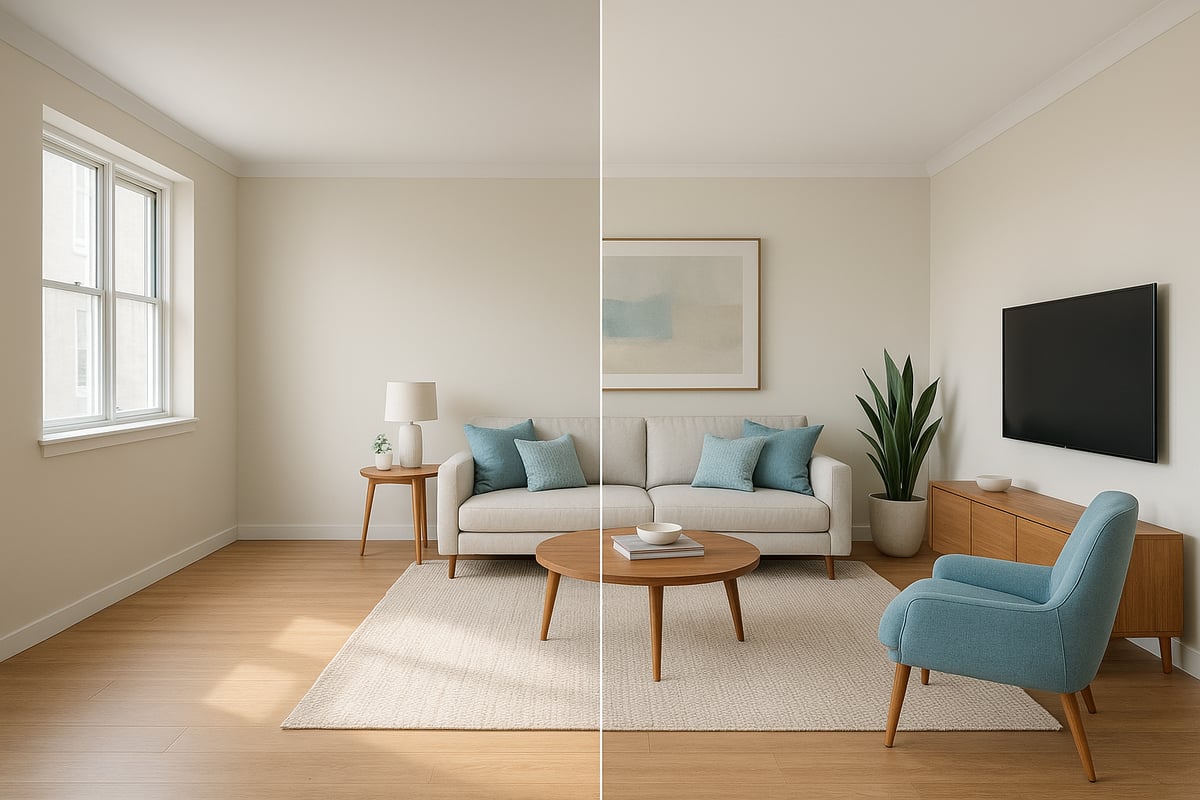
Core Benefits of Digital Staging in 2026
Digital staging has become an essential tool for real estate professionals in 2026. With technology advancing rapidly, the advantages of digital staging are more pronounced than ever. Properties can now be transformed visually in minutes, delivering exceptional results that drive sales and engagement.
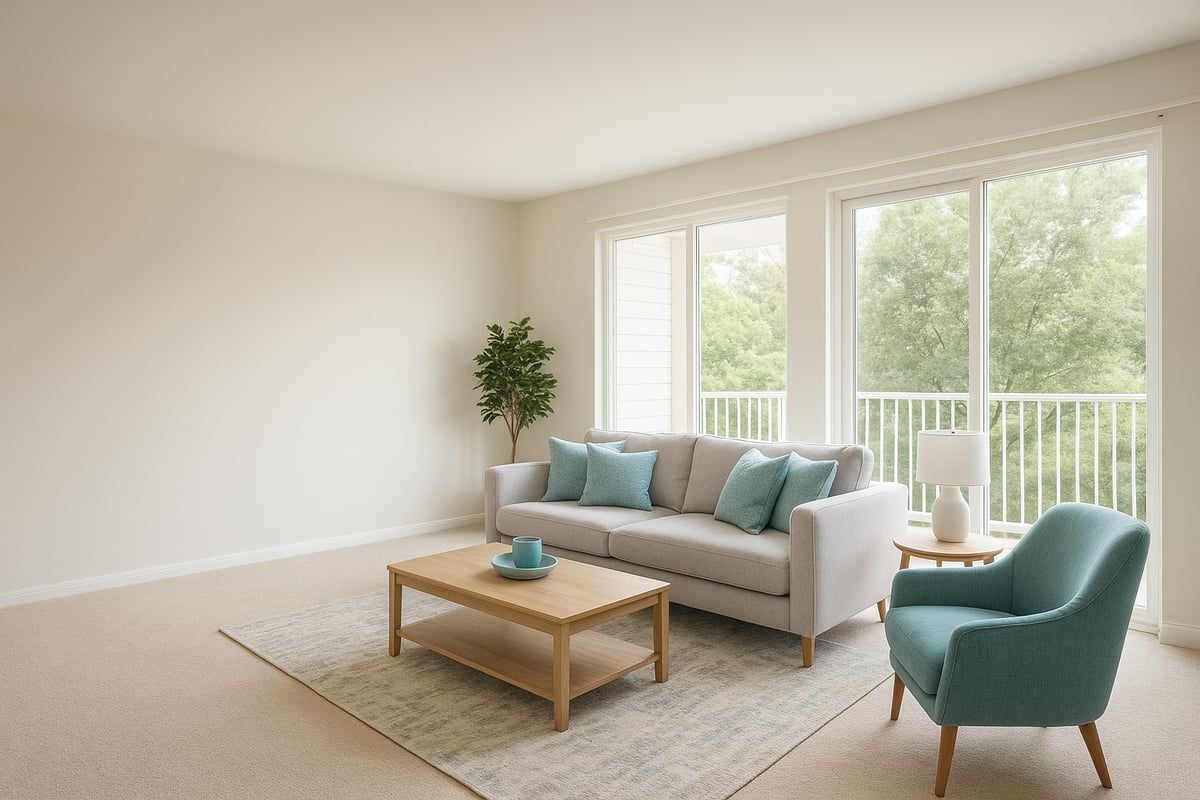
Cost Savings
One of the most significant benefits of digital staging is the dramatic reduction in costs compared to traditional staging. Physical staging often requires renting furniture, hiring movers, and paying for design consultations, which can quickly add up. In contrast, digital staging platforms offer pricing models that are accessible to agencies and individual sellers alike. For a detailed breakdown of current expenses, see Virtual Staging Pricing and Plans.
Speed and Convenience
Digital staging delivers instant results. Instead of waiting days or weeks for physical setups, agents can digitally stage multiple properties in a fraction of the time. This quick turnaround ensures listings go live faster, capturing buyer interest at the right moment. The convenience of uploading photos and selecting styles streamlines the entire process.
Customization and Flexibility
With digital staging, customization is limitless. Agents can select from a wide range of design themes, furniture layouts, and décor options to match any property type or target demographic. This flexibility makes it easy to highlight a home's potential, whether marketing to young professionals, families, or luxury buyers. Instant adjustments can be made if feedback suggests a new look is needed.
Enhanced Buyer Engagement
Photorealistic, interactive visuals created by digital staging capture buyers’ attention and imagination. High-quality images allow prospects to envision themselves in the space, increasing emotional connection and decision-making confidence. Interactive features, such as 360-degree views or virtual furniture swaps, can further boost engagement and set listings apart from the competition.
Accessibility for All
Digital staging has democratized access to high-end property marketing. Small agencies and individual sellers now compete with larger firms, thanks to affordable and user-friendly platforms. No longer limited by geographic location or budget, anyone can present their property in the best possible light.
Sustainability and Eco-Friendliness
Traditional staging often generates significant waste, from packing materials to discarded furniture. Digital staging eliminates the need for physical items, reducing the carbon footprint and promoting sustainable practices within the real estate industry. This environmentally conscious approach is increasingly important to modern buyers and sellers.
Data-Driven Results
The impact of digital staging is measurable. Listings with digitally staged images consistently receive more views, higher inquiry rates, and faster sales cycles. Industry reports confirm that staged homes sell up to 73% faster than their non-staged counterparts. By analyzing these metrics, agents can refine their strategies and maximize their return on investment.
Real-World Case Study
Consider a recent example: a mid-market condo that lingered on the market for months. After implementing digital staging, the property attracted a surge of online interest and sold within two weeks, at 5% above the asking price. This case highlights how digital staging directly influences buyer perception and transaction speed.
Step-by-Step Guide: How to Digitally Stage a Space in 2026
Embarking on a digital staging project in 2026 is more straightforward and impactful than ever. By following a clear process, real estate professionals and sellers can transform empty or outdated spaces into visually stunning listings. This guide outlines each vital step to ensure your digital staging efforts are both efficient and effective.
Step 1: Preparing High-Quality Property Photos
The foundation of successful digital staging is a set of clear, high-resolution property photos. Begin by using a camera or smartphone capable of capturing images at 4K resolution or higher. Always shoot during daylight hours to maximize natural light, which enhances realism in staged images.
Position the camera at chest height and use a tripod to avoid blurry shots. Aim for wide angles to showcase entire rooms and eliminate any clutter, personal items, or distractions from the space. Open curtains and doors to highlight natural light and flow.
Avoid common mistakes, such as using low-light settings, tilting the camera, or capturing images with reflections and obstructions. By prioritizing quality at this initial stage, you set the stage for digital staging results that truly impress.
Step 2: Selecting the Right Digital Staging Platform
Choosing the ideal digital staging platform is a critical decision that impacts the quality and speed of your project. Start by evaluating the user interface for ease of navigation, especially if you are new to digital staging. A platform with an intuitive dashboard, clear upload instructions, and drag-and-drop features can save significant time.
Assess the design library for a wide range of furniture, decor, and style options. Advanced AI capabilities are essential, as they enable automated furniture placement, photorealistic rendering, and fast turnaround. Compare turnaround times, as some platforms deliver staged images in minutes, while others may take longer.
Security and data privacy should also be considered. Look for platforms with robust encryption and transparent privacy policies. Responsive customer support is vital for troubleshooting and guidance.
For a detailed feature and pricing breakdown, consult a Virtual Staging Software Comparison 2025 to identify which digital staging solution aligns with your needs.
Try Furnishly: AI-Powered Virtual Staging for Real Estate
Try Furnishly stands out as a leader in digital staging for 2026, offering a seamless, AI-driven process. The platform allows you to upload property photos and receive photorealistic virtual transformations within seconds. With a curated range of design styles, you can tailor each room to match your target demographic.
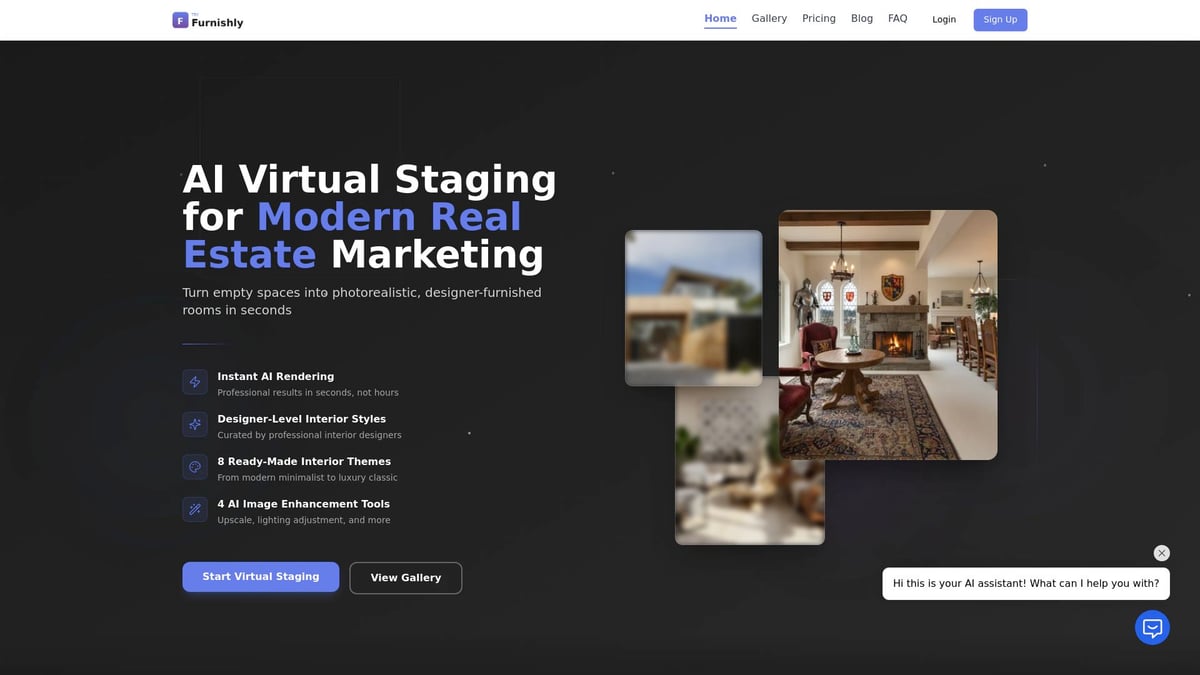
A key advantage is the ability to regenerate designs endlessly, ensuring every space is perfectly staged. Real estate professionals report that listings using Try Furnishly experience up to a 73% faster sales rate and an average customer satisfaction rating of 4.9 out of 5.
Users appreciate the simplicity of the workflow. Upload, select a design style, and instantly preview the staged result. The AI engine enhances images with realistic lighting, shadows, and textures, creating compelling visuals that drive buyer engagement. Digital staging with Try Furnishly can significantly reduce time on market and maximize property appeal.
Step 3: Choosing Design Styles and Furniture Templates
Selecting the right design style is essential for effective digital staging. Begin by considering the property's architecture and the preferences of your target buyers. For urban condos, a modern or Scandinavian theme may resonate, while a suburban family home might shine with a transitional or farmhouse look.
Explore the platform's design library for a diverse selection of furniture and decor templates. Look for options such as minimalist, industrial, traditional, and eclectic. Consistency is key—ensure that all staged rooms share a cohesive color palette and style to create a harmonious flow throughout the listing.
If you are staging multiple properties, leverage digital staging to quickly swap styles and layouts based on each listing's unique features. This flexibility allows you to appeal to a broader range of buyers and stand out in a competitive market.
Step 4: Customizing and Editing the Staged Images
Once the initial digital staging is complete, customization is the next step. Most leading platforms provide tools to adjust furniture placement, swap decor items, and modify color schemes. Use these features to highlight each room's best attributes and address any layout challenges.
Take advantage of AI enhancements for lighting, shadowing, and image upscaling. These tools refine the realism of your staged images, making them nearly indistinguishable from actual photographs. Preview changes in real time and make incremental adjustments to achieve the perfect look.
Before finalizing, review each image for consistency and authenticity. Avoid over-staging or adding elements that may mislead buyers. The goal of digital staging is to inspire, not to create unrealistic expectations, ensuring your listings remain both attractive and trustworthy.
Step 5: Downloading and Integrating Staged Images into Listings
After customizing your digital staging images, download them in high-resolution JPEG or PNG formats. Ensure files are optimized for web use, balancing quality and loading speed.
Integrate the staged photos directly into your online listings, brochures, and social media marketing. Most major real estate platforms support easy image uploads. Always verify that your staged images comply with MLS and advertising guidelines, which may require disclosure that the images are virtually staged.
By following these steps, you can consistently deliver visually impactful listings that attract more views, generate higher interest, and accelerate sales cycles through the power of digital staging.
Key Features to Look for in Digital Staging Platforms
Selecting the right digital staging platform can make the difference between a standout listing and one that gets overlooked. As technology evolves, the best solutions combine speed, realism, flexibility, and support. Let us explore the essential features you should prioritize.
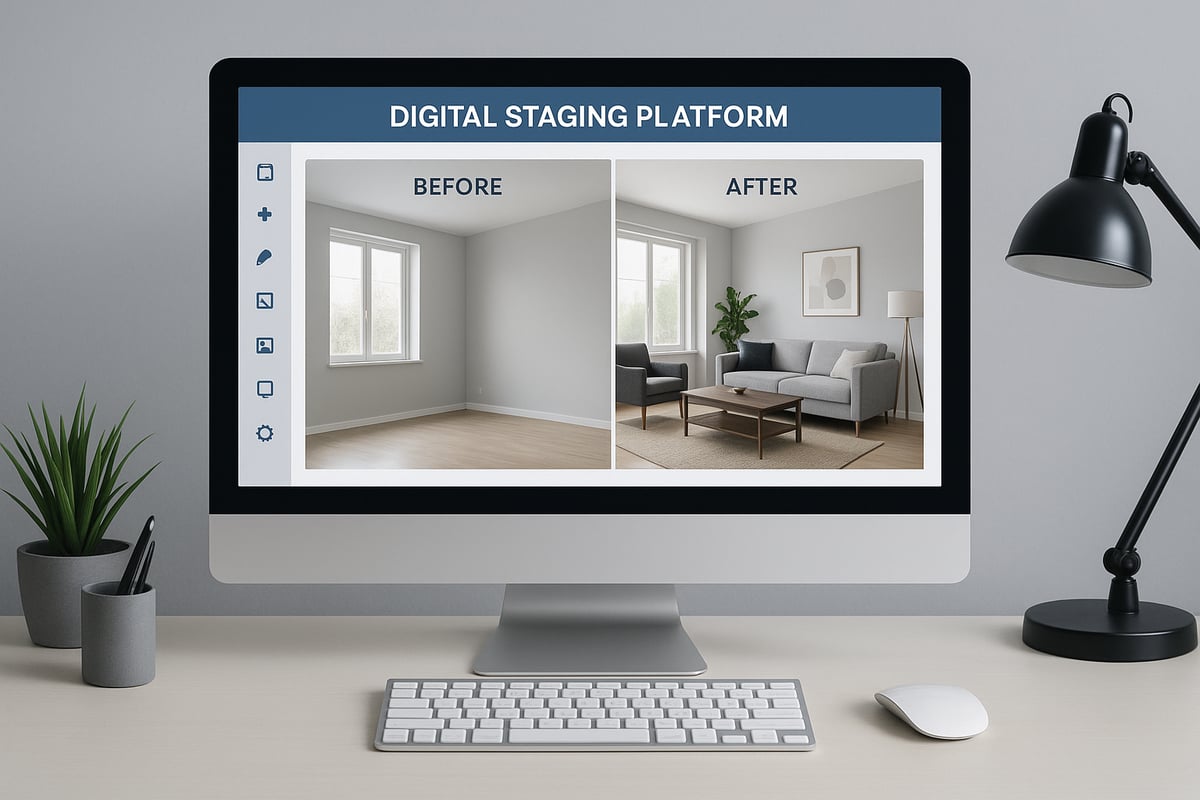
AI-Powered Rendering and Realism
Modern digital staging relies on advanced AI to generate lifelike images in moments. Look for platforms that offer rapid rendering without sacrificing detail or accuracy. The best tools use machine learning to enhance lighting, textures, and shadows, making staged photos indistinguishable from real photography.
Photorealism is vital for buyer trust. Staged spaces should feel authentic, not artificial. High-resolution outputs ensure images look sharp on any device, from mobile screens to desktop monitors.
Design Libraries and Customization
A broad design library is crucial for digital staging success. Top platforms provide a wide range of furniture, decor, and architectural styles, from minimalist to traditional. This variety allows you to match staging themes to the unique character of each property and its target demographic.
Customization is also key. The ability to swap furniture, adjust color palettes, or experiment with different layouts helps you create tailored, engaging visuals. Some platforms offer unlimited revisions, so you can refine designs until they are perfect.
| Feature | Why It Matters | What to Look For |
|---|---|---|
| Furniture Variety | Appeals to diverse buyers | Multiple styles and eras |
| Editable Layouts | Tailors staging to each space | Drag-and-drop, easy changes |
| Color & Decor Options | Aligns with branding, trends | Extensive palette, accessories |
Usability, Workflow Integration, and Support
A user-friendly interface ensures anyone can master digital staging, regardless of technical background. Intuitive dashboards, clear navigation, and in-app tutorials help streamline the process. Instant previews and drag-and-drop features can save precious time.
Integration with real estate platforms and marketing tools is another essential. Seamless export options allow staged images to be uploaded directly to listing sites or social media. Security and data privacy should not be overlooked, especially when handling client assets.
Transparent pricing, free trials, and responsive customer support are the final pillars of a reliable platform. Many users find answers to common questions in resources like the Frequently Asked Questions on Staging, making onboarding smoother.
Final Considerations
When comparing digital staging solutions, prioritize platforms that balance advanced technology with everyday usability. The right choice will empower you to create compelling, market-ready visuals that elevate any property listing. By focusing on these core features, you ensure your investment delivers both immediate impact and long-term value.
Digital Staging Best Practices for Maximum Impact
Digital staging is most effective when approached with strategy and attention to detail. Mastering these best practices ensures every property listing stands out, appeals to the right buyers, and achieves maximum market impact.
Aligning Staging with Buyer Expectations
Begin by tailoring digital staging to match the property type and the preferences of your target demographic. Research local market trends and buyer profiles before selecting design styles. For a family-oriented home, incorporate cozy, functional layouts. For urban condos, choose sleek, modern decor.
Maintain consistency in color palettes and furniture themes across all staged images. This provides a cohesive look and reinforces your brand. Avoid themes that clash or feel out of place for the property’s architecture or neighborhood. Consistent digital staging builds trust and sets realistic expectations for buyers.
Highlighting and Enhancing Key Features
Use digital staging to draw attention to a property's strengths. Highlight open floor plans, maximize natural light, and showcase unique elements like fireplaces or built-in shelving. If a room has an awkward layout or outdated finishes, digital staging can offer solutions by virtually rearranging furniture or updating decor.
Be careful not to over-stage or add unrealistic elements. Always ensure that enhancements reflect what buyers can expect in person. Misleading visuals can damage credibility and lead to disappointment during showings. Instead, let digital staging solve real challenges and inspire buyers with genuine possibilities.
Leveraging Analytics and Trends
Track the performance of your digitally staged listings with analytics tools. Monitor engagement metrics such as listing views, time on page, and inquiries. Use these insights to refine your staging approach and focus on what resonates most with your audience.
Keep branding consistent across all listings, using similar visual styles and logos. This builds recognition and professionalism in a crowded market. According to the NAR Report on Home Staging Benefits, staged homes not only sell faster but often command higher prices, making digital staging a proven investment.
Stay ahead by following the latest design trends and technological advancements. As the Virtual Staging Market Growth Forecast suggests, the demand for digital staging will continue to rise, so adapting early ensures long-term success.
The Future of Digital Staging: Trends and Innovations for 2026 and Beyond
The landscape of digital staging is evolving rapidly, driven by breakthroughs in technology and shifting market demands. As we approach 2026, digital staging is set to redefine how properties are presented, marketed, and experienced by buyers worldwide.
AI and Automation: Next-Gen Staging Capabilities
AI is revolutionizing digital staging, making it more powerful and accessible than ever. In 2026, platforms will use advanced algorithms to analyze property photos and recommend optimal staging layouts instantly. Predictive design tools will suggest color palettes, furniture styles, and accessory placements based on buyer data.
Automated furniture placement will streamline the staging process, allowing agents to transform multiple listings in a fraction of the time. Real-time previews powered by AI will let users see changes instantly, adjusting lighting, angles, and decor with a single click. These innovations enable digital staging to deliver photorealistic results that align with buyer expectations. The integration of automation ensures digital staging remains efficient, scalable, and highly effective for any real estate professional.
Immersive Technologies: Virtual Tours and AR/VR
In 2026, digital staging is no longer limited to static images. Immersive technologies are reshaping the way buyers interact with properties. Virtual tours offer 360-degree views of fully staged environments, allowing potential buyers to walk through spaces from anywhere in the world.
Augmented reality (AR) applications enable users to visualize staged interiors in real time using their smartphones or tablets. Virtual reality (VR) headsets provide a deeply engaging experience, letting buyers explore properties as if they were physically present. This level of immersion not only enhances buyer confidence but also expands the reach of digital staging to international and remote clients, making property marketing more inclusive and dynamic.
Personalization and Buyer Engagement
Personalization is a cornerstone of digital staging innovation. By leveraging data-driven insights, staging platforms can tailor designs to individual buyer preferences, from layout choices to color schemes. Interactive features such as click-to-change furniture, wall colors, or decor elements empower buyers to envision their ideal living space.
This increased engagement leads to stronger emotional connections with properties, boosting the likelihood of inquiries and offers. Digital staging in 2026 is all about creating a personalized, interactive experience that resonates with each buyer, setting new standards for real estate marketing.
Sustainability and Ethical Considerations
Sustainability is becoming a central focus in digital staging. By eliminating the need for physical furniture and transport, digital staging significantly reduces waste and carbon emissions compared to traditional methods. Many platforms now highlight their eco-friendly practices, emphasizing virtual solutions that leave no physical footprint.
Ethical marketing is equally important. Transparency about enhancements ensures buyers are not misled by unrealistic images. Adhering to industry standards, digital staging professionals prioritize accuracy and authenticity, fostering trust in both buyers and sellers. As digital staging evolves, balancing innovation with ethical responsibility remains essential.
Industry Predictions and Expert Insights
Experts predict digital staging will become an industry standard by 2026, with adoption rates soaring across agencies of all sizes. Data shows that digital transformation is accelerating in real estate, with Digital Transformation in Real Estate Statistics highlighting the rapid integration of virtual tools and their measurable impact on sales cycles.
Market analysts forecast continued growth as digital staging platforms offer more advanced features, better integration, and increased affordability. The future holds even greater personalization, faster turnaround times, and deeper buyer engagement. Digital staging is poised not only to meet but to shape the evolving expectations of buyers, sellers, and real estate professionals for years to come.
Leave a Comment