

Imagine walking into a blank room and instantly seeing it transformed into a stylish, inviting space ready to impress any buyer. This is the power of virtual furniture staging in 2026, an innovation that is changing how real estate and design professionals present properties.
This guide will show you how to master virtual furniture staging with a step-by-step, data-backed approach. You will explore its evolution, see why it outperforms traditional methods, and learn how new AI tools make the process faster and more affordable.
Get ready to discover proven strategies, the best platforms, expert design tips, and future trends. Unlock the secrets behind faster sales, higher property values, and a more efficient selling experience—all starting here.
The Rise of Virtual Furniture Staging in 2026
Picture a property photo that instantly captures a buyer's imagination, even before they step inside. This is the power of virtual furniture staging—a digital method that is rapidly transforming real estate and design in 2026.
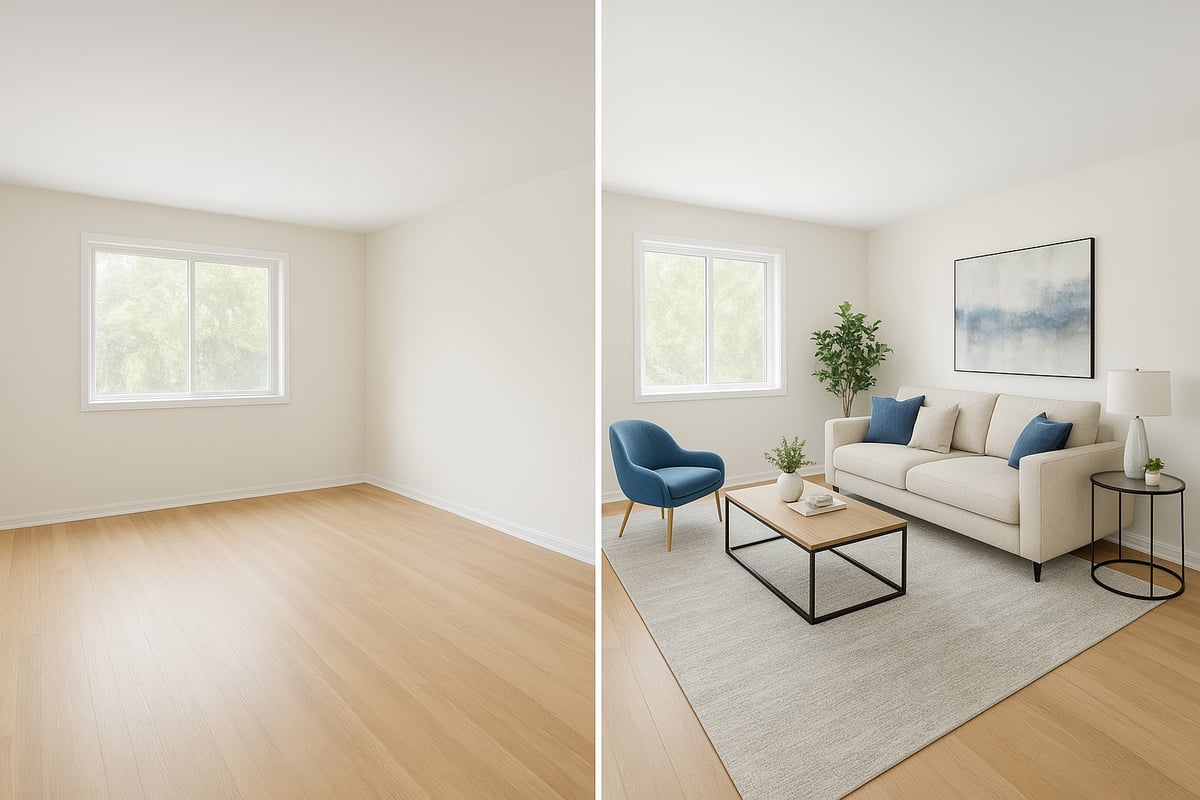
What is Virtual Furniture Staging?
Virtual furniture staging is the process of digitally furnishing and decorating photos of empty or outdated rooms using advanced software. Instead of physically moving furniture, designers or agents add realistic couches, tables, rugs, and art directly into images.
This technology allows users to showcase a property's full potential without the time and cost of traditional staging. The difference between a bare room and a virtually staged one is dramatic—buyers can instantly visualize livable, inviting spaces. For more details on how this process works, see this Virtual furniture staging overview.
Typical use cases include real estate sales, rental listings, and interior design presentations. The technology enables quick style changes, helping homes appeal to a wide range of buyers.
Market Growth and Adoption Trends
By 2026, the virtual furniture staging industry is forecasted to exceed previous growth records, with more agencies and sellers adopting this approach every year. Major brokerages now use virtual furniture staging for the majority of their listings, especially as remote buying and digital-first property tours become standard.
According to the National Association of Realtors, 85% of staged homes sell faster than unstaged properties. Case studies show entire portfolios of listings moving quickly after adopting virtual staging at scale, highlighting its impact on the market.
The adoption rate among real estate professionals continues to rise, solidifying virtual furniture staging as a go-to marketing strategy.
Benefits Over Traditional Staging
The advantages of virtual furniture staging over traditional methods are clear. First, the cost savings are significant, with virtual services averaging $2,000 less per property. Second, turnaround times are drastically reduced, with images ready in hours rather than days or weeks.
Flexibility is another key benefit. Users can easily switch styles, update layouts, or request unlimited revisions. Staging is accessible from anywhere, eliminating logistics and moving expenses.
Industry data reveals that homes staged virtually sell 73% faster on average. The combination of speed, savings, and flexibility makes virtual furniture staging the preferred choice in 2026.
AI and Technology Innovations
Artificial intelligence is at the heart of modern virtual furniture staging. AI-powered tools now automate furniture placement, suggest trending styles, and deliver photorealistic results that are nearly indistinguishable from actual photos.
These platforms integrate seamlessly with 3D tours and VR, allowing buyers to "walk through" staged spaces digitally. Some tools can generate designer-quality rooms in mere seconds, saving valuable time.
Security and copyright protections have also improved, ensuring that both agents and designers can work confidently with proprietary images and decor assets.
Who Uses Virtual Staging?
Virtual furniture staging is utilized by a broad range of professionals and property owners. Real estate agents and brokers rely on it to boost listing appeal. Developers and investors use it to visualize new builds or renovations.
Home sellers and landlords benefit from showcasing move-in ready spaces, while interior designers and stagers leverage the technology for client presentations. Marketing agencies and photographers also use virtual staging to enhance their creative portfolios and drive engagement.
With its versatility and effectiveness, virtual furniture staging has become an essential tool for anyone looking to present properties at their best.
Step-by-Step Guide: How to Virtually Stage a Room in 2026
Transforming a space with virtual furniture staging is both an art and a science. In 2026, the process is streamlined, efficient, and accessible to anyone ready to elevate their property’s appeal. Follow these expert steps to master the technique and achieve stunning, market-ready results.

Step 1: Capture High-Quality Room Photos
Start your virtual furniture staging journey by capturing crisp, well-lit photos of each room. Lighting is crucial—use natural daylight when possible, and avoid harsh shadows. Choose wide angles to showcase the entire space.
Before photographing, remove clutter and personal items. A clean, neutral canvas ensures virtual furniture staging looks authentic. Use a high-resolution camera or smartphone with a tripod for stability. Settings like ISO 100-400, aperture f/8, and a wide-angle lens (16-24mm) are ideal.
Notice the dramatic difference when comparing low-quality images to professionally captured ones. For inspiration, explore virtual staging gallery examples to see how photo quality amplifies the impact of virtual furniture staging.
Step 2: Choose the Right Virtual Staging Platform
Selecting the optimal platform is essential for effective virtual furniture staging. Prioritize features such as AI-powered automation, an extensive furniture library, and a wide array of design styles.
Consider the following comparison of leading platforms:
| Platform | Cost/Room | Turnaround | AI Features | User Rating |
|---|---|---|---|---|
| Furnishly | $35 | 1 hour | Yes | 4.9/5 |
| StageVirtually | $45 | 2 hours | Yes | 4.7/5 |
| VStager | $30 | 3 hours | No | 4.6/5 |
A real estate agent who switched to an AI-driven platform saw a 30% increase in listing engagement. Always review security and privacy policies. User reviews highlight satisfaction with platforms offering fast edits and realistic results.
Step 3: Select Design Style and Furniture
The third step in virtual furniture staging is choosing the right design style and furnishings. In 2026, popular styles include Modern, Scandinavian, Minimalist, and Biophilic. Match the style to the property’s architecture and the preferences of your target buyers.
Color psychology plays a key role. Soft blues evoke calmness, while earthy tones create warmth. For a downtown loft, opt for sleek Modern pieces. For a suburban family home, Scandinavian or Biophilic styles may resonate more.
Consider regional trends—coastal regions often request airy, light aesthetics, while urban centers prefer bold, contemporary looks. Review data on most requested styles to inform your staging decisions.
Step 4: Customize Layout and Decor
Customization sets exceptional virtual furniture staging apart. Use intuitive drag-and-drop tools or AI-assisted features to arrange furniture and decor. Add accessories like rugs, wall art, greenery, and lighting to enhance realism.
Avoid overcrowding—leave clear pathways and highlight architectural features. Small layout tweaks, such as angling a couch or adding a mirror, can make rooms appear more spacious.
Accessibility matters. Ensure your staging includes inclusive designs, such as wheelchair-friendly layouts and easy-to-navigate spaces. This attention to detail broadens market appeal.
Step 5: Review, Revise, and Download Final Images
Before finalizing, review each image for accuracy and realism. Check shadows, lighting consistency, and scale of virtual furniture staging. Gather feedback from colleagues or clients to catch any missed details.
Take advantage of unlimited revisions offered by most platforms. Make adjustments based on feedback to perfect the presentation. Once satisfied, download high-resolution images for your listings.
Prepare images in formats compatible with MLS and social media. This step ensures your virtual furniture staging has maximum impact across all marketing channels.
Step 6: Integrate Staged Images into Marketing
With your virtual furniture staging complete, strategically add staged images to property listings, brochures, and digital ads. Always comply with MLS rules and disclose virtual staging when required.
Compare engagement data between listings with staged images and those without. Properties featuring virtual furniture staging consistently attract more inquiries and showings.
Leverage social media platforms like Instagram, Facebook, and TikTok for broader reach. Track the results—many agents report increased interest and faster sales when using virtual furniture staging as a core marketing tool.
Essential Tools and Platforms for Virtual Furniture Staging
Choosing the right tools is crucial for success in virtual furniture staging. The right platform can transform an empty space into a visually compelling, market-ready property in hours. Let us examine the leading solutions, top features, pricing, and workflow integrations shaping the industry in 2026.
Top Virtual Staging Software in 2026
The landscape for virtual furniture staging software in 2026 is highly competitive, with both AI-driven and manual platforms offering unique advantages. Below is a comparison of the top five platforms:
| Platform | Automation | Library Size | Photorealism | Price/Room | Turnaround |
|---|---|---|---|---|---|
| Furnishly | AI | 10,000+ | Ultra-high | $35 | 30 minutes |
| VirtuStage | Manual | 6,500 | High | $40 | 24 hours |
| RenderSpace | AI | 9,000 | Ultra-high | $50 | 2 hours |
| Stagio | Manual | 5,000 | High | $30 | 12 hours |
| HomePix | AI | 8,500 | High | $33 | 1 hour |
AI-powered platforms now dominate virtual furniture staging, delivering designer-level results in record time. Agents and designers can select from vast furniture libraries and enjoy automated style recommendations, making the process more efficient and accessible than ever.
Try Furnishly: AI-Powered Virtual Staging Solution
Try Furnishly is a leader in virtual furniture staging, offering cutting-edge AI-driven tools that simplify the staging process. Users benefit from ultra-fast rendering speeds, a curated selection of modern and classic furniture styles, and unlimited regenerations for maximum flexibility.

The platform is built for efficiency and quality, making it ideal for real estate professionals seeking quick turnarounds and standout visuals. Over 5,000 agents trust Try Furnishly, reporting sales 73% faster on average. New users can take advantage of 5 free trial credits, helping them experience the value of virtual furniture staging firsthand.
Key Features to Look For
When evaluating virtual furniture staging platforms, focus on these essential features:
- Extensive furniture library with diverse styles.
- High photorealism for convincing results.
- Rapid turnaround and AI automation.
- Flexible customization and easy editing tools.
- Strong security protocols for image and data protection.
Selecting a platform with these capabilities ensures your staging projects meet the highest industry standards and appeal to a broad buyer audience.
Cost Comparison: Virtual vs. Traditional Staging
The cost advantages of virtual furniture staging are significant. On average, virtual staging costs between $30 and $100 per room, compared to $1,500 to $3,000 for traditional staging. This results in substantial savings, especially for multi-property developers and agents managing several listings.
For a detailed breakdown of expenses and ROI, consult the Virtual staging pricing guide. Homes staged virtually often sell for 6–10% more, making the investment both practical and profitable.
Integrations and Workflow Automation
Modern virtual furniture staging platforms offer seamless integration with MLS, CRM, and marketing tools. Automated image uploads and downloads save agents more than five hours per listing, streamlining the entire process.
These integrations empower teams to manage high volumes of staged properties efficiently, ensuring every listing makes a memorable first impression.
Design Strategies for Effective Virtual Furniture Staging
Unlocking the full impact of virtual furniture staging requires more than just adding digital sofas or beds. Effective results depend on understanding buyer psychology, tailoring designs for each space, and ensuring every image feels both inviting and authentic. Let us explore the strategies that help listings stand out in the competitive 2026 real estate market.
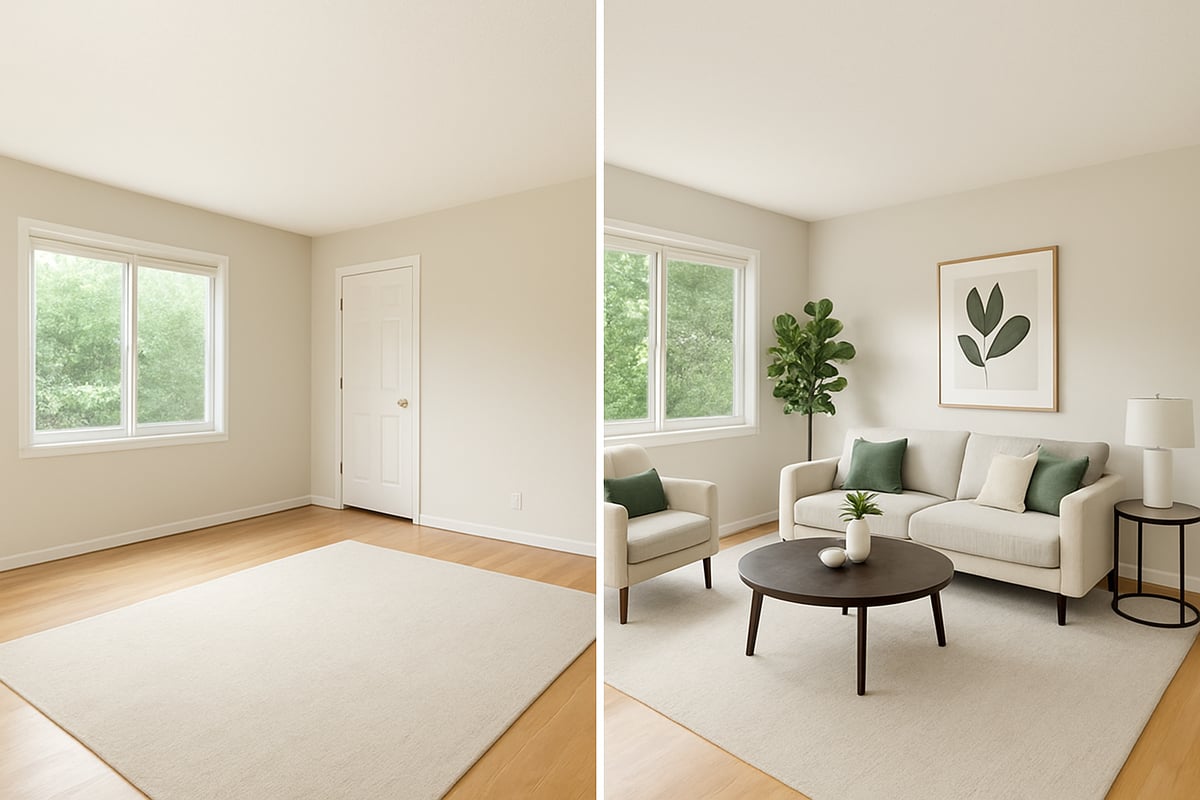
Understanding Buyer Psychology
The success of virtual furniture staging begins with appealing to buyer emotions. Research shows that 90% of buyers struggle to visualize empty spaces. By presenting a furnished room, you help potential buyers imagine their future lives in the property.
Use warm colors for family homes to create a sense of comfort. Cooler tones can attract young professionals seeking a modern, sleek vibe. Strategic placement of virtual furniture staging elements can highlight focal points, making spaces appear larger and more functional. This approach builds an instant emotional connection, increasing the likelihood of a fast sale.
Room-by-Room Staging Tips
Each room serves a unique purpose and should be staged to reflect its best use. In living rooms, arrange seating to encourage conversation and showcase natural light. Bedrooms should feel restful, with minimal decor and soft textiles to evoke relaxation.
For kitchens, prioritize clean countertops and add subtle digital touches like modern bar stools or appliances. Home offices are increasingly important, so include ergonomic chairs and organized desks. Outdoor spaces benefit from virtual landscaping and patio setups, extending the living area beyond the interior. Using virtual furniture staging in this targeted way makes each room more memorable.
- Highlight focal points in living rooms
- Use neutral bedding in bedrooms
- Add greenery or outdoor furniture to patios
Avoiding Common Virtual Staging Mistakes
Even with advanced tools, mistakes can undermine the impact of virtual furniture staging. Overcrowding a room with too much digital furniture or choosing items out of scale makes the image feel unrealistic. Lighting mismatches and shadows that do not align with the original photo can also break immersion.
To avoid these pitfalls, always match the style and scale of virtual pieces to the actual space. Review images for consistency and accuracy before publishing. For more practical advice on troubleshooting, check the Virtual staging FAQs, which cover common challenges and solutions in detail.
Customization for Target Demographics
Effective virtual furniture staging is never one-size-fits-all. Consider the likely buyer: families may appreciate kid-friendly layouts and ample storage, while young professionals often prefer open plans and minimalist decor. Retirees might value accessible features and cozy reading nooks.
Regional trends also matter. Urban properties can benefit from industrial or modern aesthetics, while suburban homes may shine with traditional or farmhouse touches. By customizing staging to your target demographic, you increase buyer engagement and help listings resonate with the right audience.
- Families: Play areas, durable furniture
- Professionals: Home office setups, tech-friendly spaces
- Retirees: Reading corners, soft lighting
Ensuring Realism and Compliance
Realism is non-negotiable in virtual furniture staging. Photorealistic renderings are essential for building trust with buyers. AI-driven platforms have made significant strides, producing images that are nearly indistinguishable from traditional photography. According to Virtual Staging AI Enhances Real Estate Listings, these advancements have elevated both quality and compliance standards.
Always disclose when images are virtually staged, as required by most MLS guidelines. Include a note in the listing to maintain transparency and avoid legal issues. Follow industry best practices to ensure every staged image is accurate and clearly marked as digital.
Accessibility and Inclusive Design
Virtual furniture staging should reflect the needs of all potential buyers. Design layouts with clear pathways for wheelchair users and avoid placing virtual decor where it could impede movement. Choose furniture that is visually inclusive, reflecting diverse lifestyles and cultures.
For multi-generational homes, showcase flexible spaces that can adapt to different needs. Prioritizing accessibility and inclusivity not only broadens your audience but also demonstrates a forward-thinking approach to property marketing with virtual furniture staging.
Future Trends and Innovations in Virtual Staging
As we look to the future, virtual furniture staging is entering a new era of innovation. From smarter AI to immersive experiences, the landscape is evolving rapidly, offering real estate professionals and designers more powerful tools than ever.
AI and Machine Learning Advancements
Artificial intelligence is at the core of the next wave in virtual furniture staging. Modern platforms now use AI to predict buyer preferences, suggest optimal furniture layouts, and even match colors based on current design trends. These systems can analyze photos and automatically place furniture with incredible accuracy, saving time and reducing manual errors.
For example, advanced AI tools can generate entire room designs in seconds, offering a variety of styles to suit different markets. Photorealistic rendering ensures the staged images are nearly indistinguishable from real photos. To learn more about these innovations, see AI-Powered Virtual Interior Design Solutions.
Integration with Virtual Reality and AR
The integration of virtual furniture staging with virtual reality (VR) and augmented reality (AR) is transforming how buyers interact with properties. VR tours now let buyers walk through fully staged homes from anywhere in the world, while AR overlays allow clients to customize furniture and decor in real time.
This interactive approach increases engagement and helps buyers visualize their future home more easily. Recent surveys show that 60% of buyers prefer listings with VR tours, highlighting the growing demand for immersive experiences. As technology advances, expect even more seamless integration between virtual furniture staging and VR platforms.
Sustainability and Eco-Friendly Staging
Sustainability is becoming a key focus in virtual furniture staging. Digital staging helps reduce waste by eliminating the need for physical furniture and transportation. Designers are also using virtual tools to highlight eco-friendly features, such as energy-efficient appliances and biophilic design elements.
By showcasing green upgrades and sustainable materials, virtual furniture staging appeals to environmentally conscious buyers. This approach not only supports a healthier planet but also positions properties as modern and responsible choices in a competitive market.
Hyper-Personalization and Buyer Engagement
Virtual furniture staging is moving toward hyper-personalization, where AI tailors each staged space to the preferences of individual buyers. Interactive platforms allow potential buyers to swap out furniture styles, change colors, and experiment with layouts online.
This level of customization leads to higher engagement rates and more inquiries. In fact, listings that offer personalized staging options see up to 35% more buyer interest. As AI continues to evolve, expect virtual furniture staging to become an even more powerful tool for connecting with specific buyer segments.
Legal, Ethical, and Industry Considerations
As virtual furniture staging becomes standard practice, legal and ethical considerations are increasingly important. Real estate professionals must disclose when images have been virtually staged to avoid misleading buyers. Industry guidelines emphasize accuracy, realism, and transparency in all marketing materials.
Compliance with local MLS rules and emerging digital property regulations is essential. By following best practices and maintaining clear communication, agents and designers can use virtual furniture staging ethically while building trust with clients.
The Expanding Role of Virtual Staging in Real Estate Marketing
Virtual furniture staging is now a staple in real estate marketing strategies. Its impact on property values and time on market is significant, with staged homes consistently selling faster and for higher prices. Industry experts predict that virtual staging will soon be the global standard for property listings.
As adoption grows, so does the return on investment. For the latest statistics on effectiveness and ROI, visit Virtual Staging ROI Statistics 2026. Virtual furniture staging continues to shape the future of property presentation, offering unmatched flexibility, speed, and visual appeal.
Leave a Comment