

Imagine being able to turn a plain, empty room into a beautifully furnished showcase with just a few clicks. In today's fast-paced real estate market, this digital transformation is not only possible but also incredibly affordable and efficient.
This Virtual Staging Cost Guide 2026 reveals exactly what you can expect to pay for virtual staging cost, what drives the price, and how to get the most value from your investment.
We’ll break down current pricing, compare it to traditional methods, explore key cost factors, and share expert tips to help you save money while elevating your property’s appeal.
What is Virtual Staging? The Basics and Benefits
Virtual staging is transforming the way properties are presented in today's real estate market. It is a digital process that uses advanced software to add stylish furniture, decor, and even architectural updates to photos of empty or outdated rooms. Unlike traditional staging, which involves physically moving items into a space, virtual staging is completed entirely online, making it a flexible and efficient alternative that directly impacts virtual staging cost for sellers and agents.
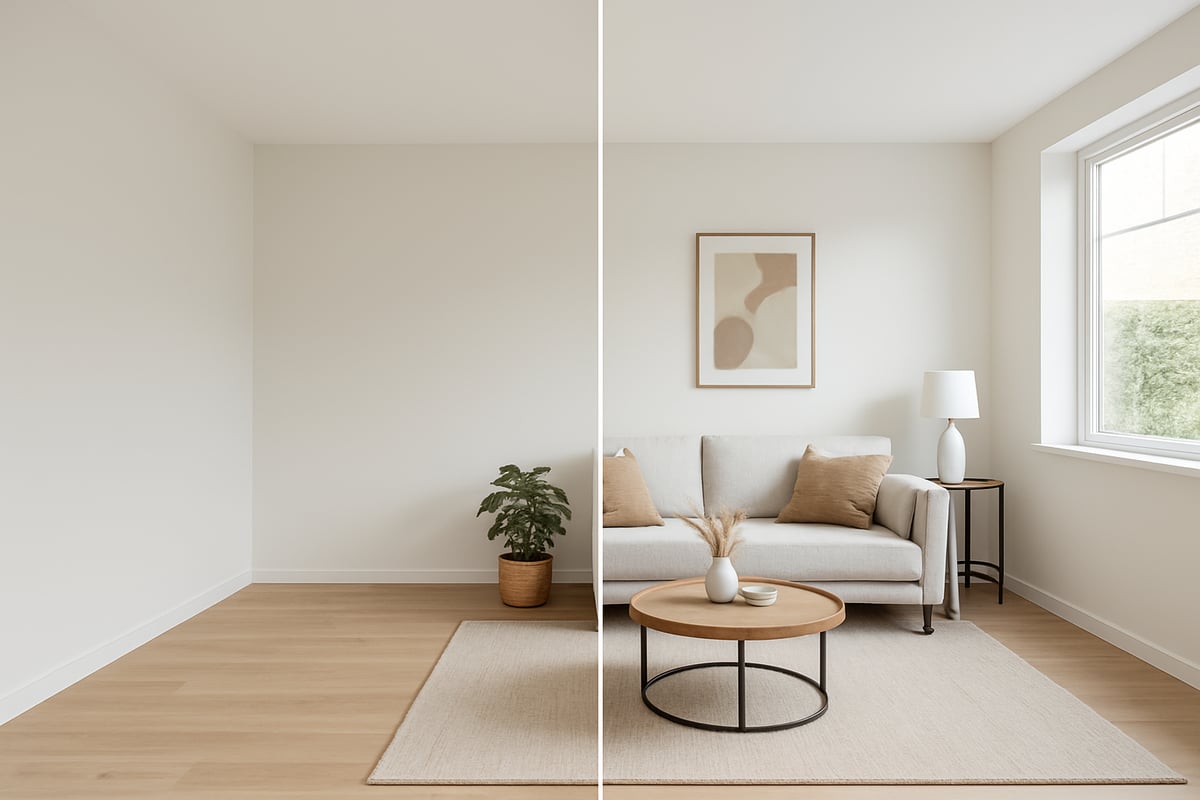
Defining Virtual Staging
Virtual staging is the art and science of digitally enhancing property photos to showcase a space’s full potential. This process involves overlaying realistic furniture, decor, lighting, and even virtual renovations onto images of empty or cluttered rooms. The result is a photorealistic transformation that helps buyers visualize how a property could look when fully furnished.
There are several types of virtual staging services available:
- Adding digital furniture and decor to empty rooms
- Removing existing furniture or clutter to present a blank canvas
- Changing wall colors or flooring to modernize dated spaces
- Virtual renovations that reimagine kitchens, bathrooms, or other key areas
Virtual staging differs from traditional staging in several ways. Instead of coordinating movers, renting furniture, and dealing with logistics, all changes are made digitally. This means no risk of property damage, no disruption to sellers, and a much lower virtual staging cost.
Before-and-after images truly bring this concept to life. For a visual comparison, explore Virtual Staging Gallery Examples to see how empty or outdated rooms are transformed into buyer-ready showpieces.
Virtual staging is especially relevant in 2026 as real estate marketing becomes more digital and buyers rely on online listings and virtual tours. It is now a mainstream tool for residential sales, rentals, new developments, and fix-and-flip projects. The rapid adoption of virtual staging reflects its effectiveness and the growing demand for cost-efficient solutions in real estate.
Major Benefits of Virtual Staging
The primary advantage of virtual staging is its affordability. On average, the virtual staging cost per photo is just $29, compared to $2,500 or more for traditional staging. This allows agents and homeowners to enhance multiple listings or rooms without overspending.
Speed is another significant benefit. Virtual staging projects can be completed in as little as 24 to 48 hours, and some AI-powered platforms deliver results in seconds. This rapid turnaround helps sellers list properties faster and respond quickly to market demands.
Virtual staging offers unmatched flexibility, with a variety of design styles to appeal to different buyer demographics. There are no logistical challenges, such as scheduling movers or managing deliveries, which further reduces the virtual staging cost and stress for everyone involved.
From a marketing perspective, virtual staging increases online views and buyer engagement. Data from leading platforms indicates that homes with virtually staged images sell up to 73% faster than non-staged listings. This measurable impact, combined with dramatic cost savings and convenience, makes virtual staging an essential strategy for modern real estate professionals.
Virtual Staging Costs in 2026: What to Expect
Understanding virtual staging cost in 2026 is essential for anyone looking to maximize their real estate marketing budget. As digital staging becomes the industry standard, having a clear picture of what you will pay, and why, can help you make informed decisions and avoid unnecessary expenses.
Virtual staging cost has evolved with new technologies and growing demand. Today, pricing is more transparent, and services are tailored to suit every need and budget. Whether you are a homeowner, agent, or developer, knowing the details of virtual staging cost can give you a competitive edge.
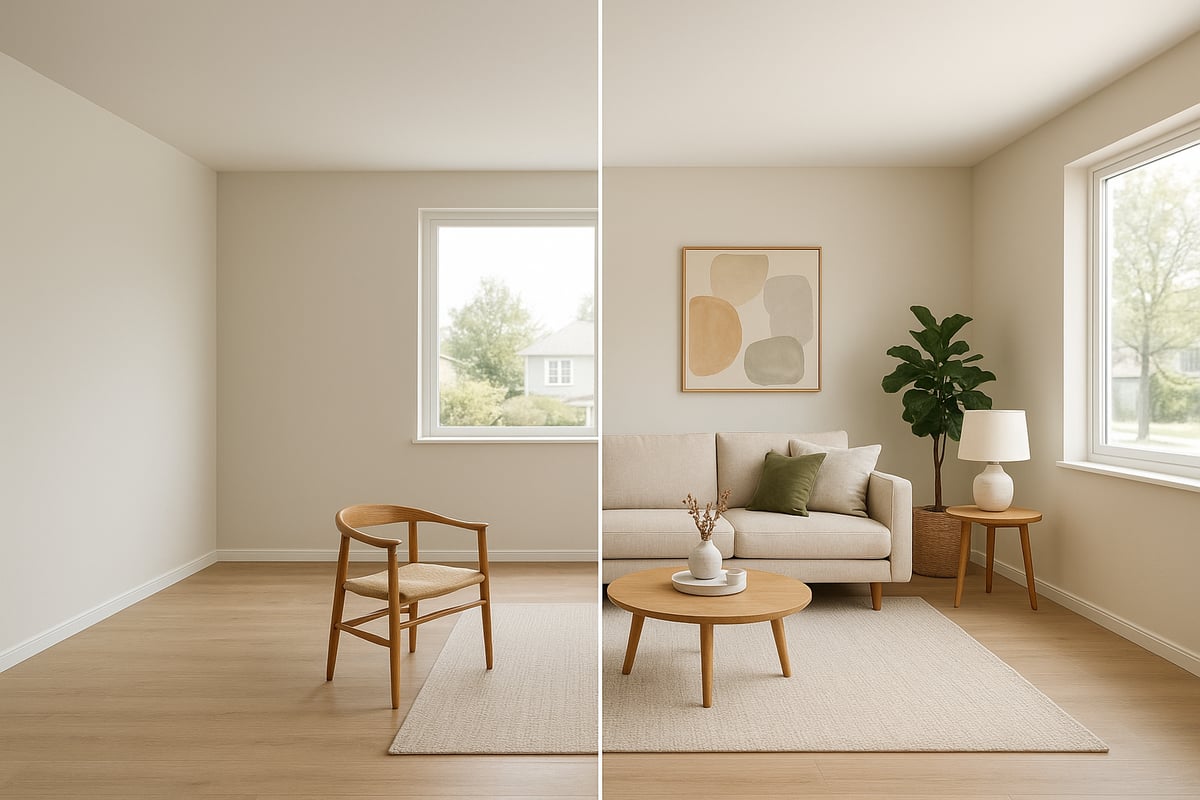
Average Pricing Models
Virtual staging cost in 2026 is typically structured around per image, per room, or package pricing models. The most common approach is per image, where prices range from $19 to $100 or more depending on the provider and the level of detail.
Package deals are popular, especially for larger properties. For example, staging six photos might average $204, with discounts often available for bulk orders. Service tiers are also common, with basic, premium, and luxury options providing different levels of photorealism and customization.
For those seeking up-to-date package details and transparent pricing, the Virtual Staging Pricing Details page is a valuable resource.
Factors Affecting Virtual Staging Cost
Several variables influence virtual staging cost. The number of images or rooms is a primary driver—larger orders usually mean a lower per image rate. Image quality matters too, with photorealistic rendering or professional design expertise commanding higher fees.
Customization is another key factor. If you request specific furniture styles, color palettes, or custom layouts, expect to pay an additional $10 to $50 per image. Turnaround time can affect virtual staging cost as well. Rush orders delivered within 24 hours may add 20 to 50 percent to the base price.
Additional services, such as furniture removal, color changes, or virtual renovations, typically start at $15 and can reach up to $199 per image depending on complexity. Each of these elements should be considered when budgeting for virtual staging cost.
Example Pricing Table (2026)
To help visualize virtual staging cost ranges in 2026, consider the following table:
| Tier | Price Per Image | Features | Common Add-Ons |
|---|---|---|---|
| Low-end | $19–$30 | Basic, minimal customization | Furniture removal ($10–$30) |
| Mid-range | $40–$70 | Photorealistic, some customization | Day-to-dusk edits ($4–$15) |
| High-end | $100+ | Luxury, full customization | Virtual renovations ($50–$199) |
Bulk discounts are widely available, and median cost per staged photo is about $29. Add-ons such as virtual renovations or day-to-dusk edits further impact virtual staging cost, so always confirm the full breakdown before placing an order.
Who Pays for Virtual Staging?
Virtual staging cost is most frequently covered by real estate agents as part of their marketing packages. However, homeowners may choose to invest in virtual staging to enhance their listing and attract more buyers.
Brokerages sometimes offer virtual staging as a value-added service for their clients, especially in competitive markets. In the majority of U.S. markets, virtual staging cost remains a small fraction of the overall listing marketing budget, making it an accessible choice for sellers at every price point.
Understanding who pays for virtual staging cost ensures all parties are aligned and can take advantage of this high-ROI marketing tool.
Virtual Staging vs. Traditional Staging: Cost and Value Comparison
Understanding the virtual staging cost compared to traditional staging is crucial for any seller or agent looking to maximize their marketing budget. With technology evolving rapidly, the decision between digital and physical staging can significantly impact both your expenses and your property’s appeal.
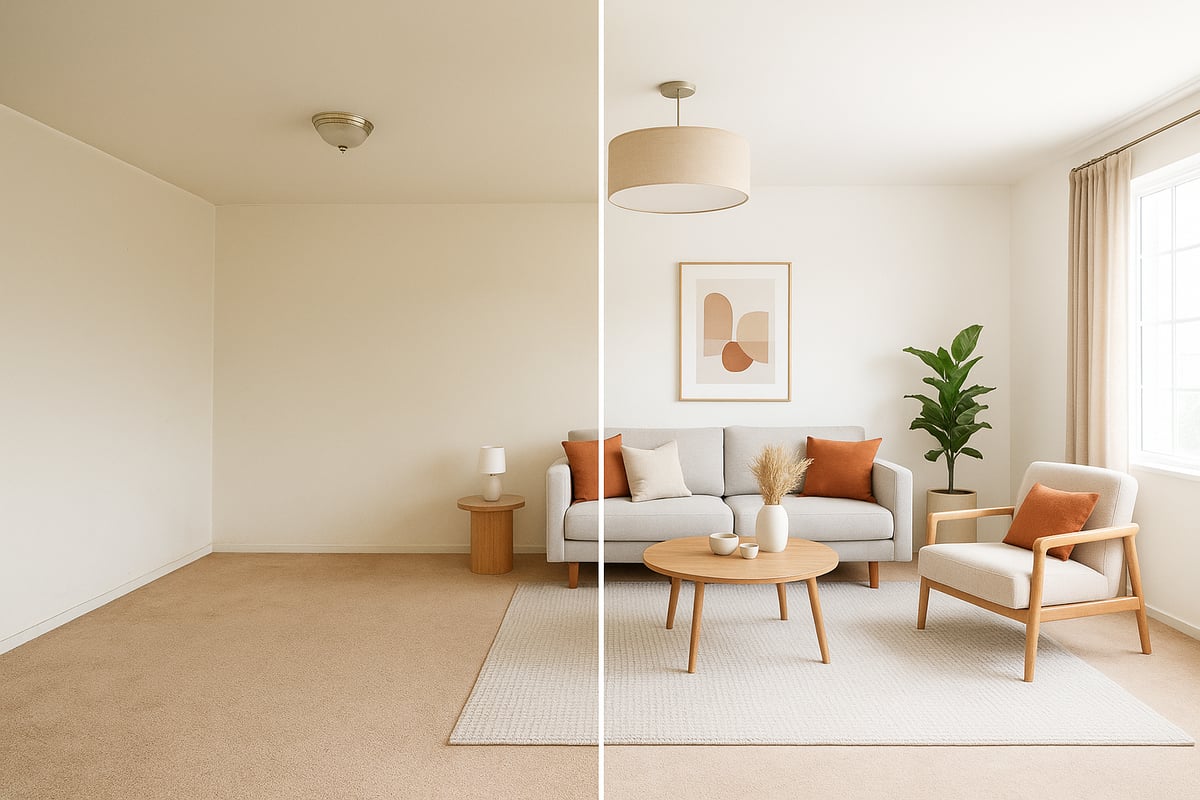
Traditional Staging Costs
Traditional home staging involves a series of physical steps and expenses that quickly add up. The process typically starts with an initial consultation, often costing between $300 and $600. Next, monthly furniture rental fees can range from $500 to $1,500 or more, depending on the home's size and the quality of furnishings. Moving and setup fees are another significant factor, with delivery and installation commonly reaching $1,000 to $2,000.
For a standard three month staging period, the total bill can run from $2,500 to $5,000 or more, especially for larger or luxury properties. In some cases, staging a $500,000 home may cost over $5,000 for just a few months. When compared to the virtual staging cost, these numbers highlight a clear difference in affordability and accessibility.
| Service | Traditional Staging | Virtual Staging |
|---|---|---|
| Consultation | $300–$600 | N/A |
| Monthly Furniture Rental | $500–$1,500+ | N/A |
| Delivery & Setup | $1,000–$2,000 | N/A |
| Total (3 months) | $2,500–$5,000+ | $100–$600+ |
Cost Comparison: Virtual vs. Traditional
The virtual staging cost for most listings falls between $100 and $600, depending on the number of images and level of customization. In contrast, traditional staging routinely costs $2,500 to $5,000 or more, often with recurring monthly fees. This means virtual staging is typically 90 to 95 percent less expensive for similar visual impact.
A major advantage of virtual staging is flexibility. Sellers can easily switch between multiple design styles or update images for different buyer demographics at no additional charge, while traditional staging would require new furniture and added costs. There are no recurring fees with virtual staging, just a one time payment for digital images.
For a detailed breakdown of the economic advantages, see this Virtual Staging vs. Traditional Staging Cost Comparison.
Value and ROI
The value of virtual staging goes beyond just cost savings. With 97 percent of buyers starting their search online, visually appealing images are essential. Virtual staging maximizes listing appeal, attracting more views and generating higher engagement from prospective buyers.
Speed is another key benefit. Virtual staging can be completed in as little as 24 to 48 hours, while traditional staging may take weeks to organize and execute. Market data shows that homes with virtually staged images can sell up to 73 percent faster than those without. Additionally, there is no risk of property damage or lost furniture with digital staging, preserving the condition of the space.
The virtual staging cost, when weighed against the potential for faster sales and higher offers, delivers an impressive return on investment for both agents and homeowners.
When to Use Each Method
Virtual staging is an excellent fit for vacant homes, new developments, rental properties, and situations where buyers are likely to view listings online. It is also ideal for showcasing a property's potential without the need for physical alterations or moving logistics. Traditional staging may still be preferred for ultra luxury homes, unique properties, or when in person open houses are a priority.
Some sellers choose a hybrid approach, using virtual staging to enhance online marketing and traditional staging for physical showings if needed. Regardless of the strategy, understanding the virtual staging cost and its benefits empowers you to make the best choice for your property and market goals.
Key Factors Influencing Virtual Staging Pricing
Understanding what drives virtual staging cost is essential for getting the best value and results. Whether you are staging a single room or an entire property, several key factors influence the final price. By considering these elements, you can make informed decisions and optimize your investment.
Type and Scope of Service
The type of service you choose has a direct impact on virtual staging cost. Basic virtual staging typically involves adding digital furniture and decor to empty rooms. Advanced options include removing existing furniture, changing wall or floor colors, or even creating virtual renovations.
For example, removing furniture digitally can add $10 to $30 per image. If you request a complete kitchen remodel or a custom renovation, the virtual staging cost per image can rise to $199 or more. Always clarify what is included in your chosen package before committing.
- Basic staging: digital furniture only
- Furniture removal: additional per image fee
- Virtual renovations: higher-tier service
Quality and Realism
Quality is a major driver for virtual staging cost. Photorealistic rendering, where staged images look indistinguishable from real photos, usually comes at a premium. Providers that use professional designers deliver more realistic results compared to automated AI tools.
Some platforms offer quick, affordable staging but lower realism, while designer-led services focus on high-quality, custom designs. The choice between speed and quality will affect your virtual staging cost and the overall impact of your listing.
- Photorealism: higher cost, better engagement
- AI-generated: faster, lower cost
- Designer-led: bespoke results, premium price
Customization and Design Options
Customization plays a big role in determining virtual staging cost. Standard packages often include a limited set of pre-designed styles or furniture libraries. If you require specific furniture, unique color palettes, or tailored layouts, expect additional charges.
Some providers offer a range of design themes, catering to different buyer demographics. Choosing a custom look or requesting non-standard features typically adds $10 to $50 per image to the total virtual staging cost.
- Standard styles: included in base price
- Custom requests: extra cost per image
- Extensive furniture libraries: more variety, possible premium
Turnaround Time and Revisions
How quickly you need your staged images also affects virtual staging cost. Standard delivery times range from 24 to 72 hours. If you require a rush order within 12 to 24 hours, expect to pay an extra 20 to 50 percent above the base rate.
Revision policies vary. Some companies offer free or low-cost revisions, while others charge per change. Clarifying these details up front can help you manage your virtual staging cost and avoid unexpected fees.
- Standard delivery: lower cost
- Rush service: premium charge
- Revision fees: varies by provider
Provider Reputation and Location
The reputation and location of your provider can strongly influence virtual staging cost. Established companies with professional design teams often charge more, reflecting their expertise and track record. International providers may offer lower rates, but quality and communication can vary.
For more details on how provider selection affects pricing and service quality, see the Virtual Staging FAQ.
- Established firms: higher cost, proven results
- International options: lower cost, possible trade-offs
- Portfolio review: check sample work before deciding
Additional Services and Fees
Beyond basic staging, many providers offer add-ons that impact virtual staging cost. These can include virtual tours, 3D walkthroughs, floor plans, and day-to-dusk edits. Each service typically carries its own fee.
Here is a quick summary table:
| Service | Typical Fee per Image |
|---|---|
| Furniture Removal | $10–$30 |
| Virtual Renovations | $50–$199 |
| Day-to-Dusk Edits | $4–$15 |
| 3D Walkthroughs | Custom pricing |
| Floor Plans | $10–$40 |
Choosing only the services you need helps keep your virtual staging cost within budget.
Understanding these factors and reviewing provider offerings carefully allows you to control your virtual staging cost while maximizing the impact of your property marketing.
AI-Powered Virtual Staging: Fast, Affordable Solutions with Try Furnishly
Imagine reducing your virtual staging cost while achieving designer-level results within seconds. In 2026, AI-powered virtual staging is revolutionizing real estate marketing by delivering speed, affordability, and quality that traditional methods cannot match. Try Furnishly stands at the forefront of this innovation, making premium digital staging accessible to every agent, homeowner, and investor. With the rise of online property searches and remote buyers, leveraging AI can transform your marketing strategy and help you stand out in a crowded market.

Features and Workflow of Try Furnishly
Try Furnishly simplifies the entire virtual staging process, making it user friendly for both professionals and first time users. Their AI platform delivers photorealistic results with eight or more professional design themes, allowing you to tailor each image to your target audience. You can instantly remove old furniture, access a vast digital furniture library, and generate unlimited versions until you find the perfect look.
The workflow is straightforward:
- Upload your property photo.
- Choose your preferred design style.
- Download your staged image in seconds.
This streamlined process not only minimizes your virtual staging cost but also eliminates any technical barriers. For those seeking additional insights into current industry pricing and trends, the Virtual Staging Cost in the USA (2026 Guide) offers valuable background on how digital solutions like Try Furnishly compare to other options.
| Feature | Description |
|---|---|
| Design Themes | 8+ professional styles for diverse buyer appeal |
| Instant Furniture Removal | Remove existing items with one click |
| Unlimited Regenerations | Test multiple looks without extra cost |
| Fast Delivery | Staged images ready in as little as 15 seconds |
Benefits and Customer Impact
Choosing AI-powered virtual staging means you benefit from industry leading turnaround times and cost savings. With Try Furnishly, your virtual staging cost is reduced by up to 90 percent compared to traditional staging. There is no need for moving crews, furniture rental, or waiting days for setup.
Key benefits include:
- Ultra fast delivery, with most images staged in under a minute.
- No technical expertise needed, making it accessible for anyone.
- Unlimited design options to match any property or buyer preference.
- Free trial with five credits to test the service risk free, no credit card required.
Try Furnishly’s platform has already helped over 5,000 real estate agents stage more than 50,000 property images, earning a 4.9 out of 5 customer satisfaction rating.
Value and Real-World Example
The value of AI-powered staging extends beyond virtual staging cost savings. Properties with staged photos see up to 73 percent faster sales, higher buyer engagement, and increased property values. For example, a real estate agent can stage six property photos in less than five minutes using Try Furnishly, saving over $2,000 compared to physical staging methods.
This efficiency empowers agents and sellers to quickly adapt listings for changing market trends or buyer preferences, ensuring every property makes a memorable first impression online.
How to Choose the Right Virtual Staging Provider in 2026
Choosing the right virtual staging provider can make a significant difference in your listing’s appeal and your overall marketing success. With so many services available, it is essential to evaluate each option carefully to ensure you receive the best value for your virtual staging cost and achieve high-impact results.
Assessing Quality and Portfolio
Begin your search by reviewing the provider’s portfolio. Examine before-and-after galleries to judge realism, consistency, and style across different projects. Look for clear evidence of photorealistic rendering and attention to detail, as these qualities directly influence buyer engagement.
Customer testimonials offer valuable insights into satisfaction and service reliability. Providers using professional designers or advanced AI tools often deliver superior results, which can justify your virtual staging cost. Always verify the authenticity of sample images to avoid misleading representations.
Pricing Transparency and Packages
Transparent pricing is critical when comparing providers. Ensure you receive a clear breakdown of all fees, including charges for revisions, rush orders, or add-ons. Some companies offer bulk discounts, which can reduce your virtual staging cost for larger projects.
It is wise to understand the cost structure, as add-ons like furniture removal or virtual renovations may significantly impact your budget. For a deeper dive into how virtual and traditional staging costs compare, see this Virtual Staging vs. Traditional Staging: Cost, Convenience, and Conversion Rates resource.
Turnaround Time and Customer Support
Turnaround time can be a decisive factor, especially in competitive markets. Standard delivery ranges from 24 to 72 hours, while rush services may be available for a premium. Align your provider’s speed with your project’s timeline to maximize the benefits of your virtual staging cost.
Consider the quality of customer support, such as 24/7 live chat and quick response times. Understand the revision policy—some providers include free or low-cost changes, while others charge for every adjustment. Reliable communication ensures smoother project execution.
Customization and Design Flexibility
Evaluate the provider’s range of design themes and customization options. The ability to tailor furniture, color palettes, and layouts helps match the staging to your target buyer demographic. Some platforms offer unlimited regenerations, allowing you to experiment with multiple looks before deciding.
Customization can affect your virtual staging cost, especially if you request specific design elements or unique room arrangements. Review the provider’s furniture library and style options to ensure they align with your property’s needs.
Reputation and Security
Reputation is built on consistent results and client trust. Established companies with industry experience may charge more, but their track record can justify the investment. Data security is also essential; ensure the provider protects your property photos and personal information.
Compliance with MLS rules and ethical standards is crucial to avoid any listing issues. A reputable provider helps you maximize your virtual staging cost without risking your professional reputation or client trust.
Example Checklist for Choosing a Provider
Use this checklist to streamline your selection process and ensure you get the most from your virtual staging cost:
- Review provider portfolio and sample images
- Check for transparent, itemized pricing
- Confirm standard and rush delivery times
- Read customer testimonials and industry reviews
- Evaluate design themes and customization options
- Assess customer support availability and responsiveness
- Verify data security and MLS compliance
Careful comparison using this checklist will help you find a provider who delivers both quality and value.
Maximizing Your Virtual Staging Investment: Expert Tips for 2026
Unlocking the best return on your virtual staging cost requires a thoughtful approach. Strategic planning, smart marketing, and compliance will help you turn every dollar into a competitive edge. Here are expert tips to maximize results and savings in 2026.
Strategic Photo Selection
Start by focusing your virtual staging cost on the rooms that matter most. The living room, kitchen, and primary bedroom have the strongest influence on buyers. If a space feels awkward or outdated, use virtual staging to reimagine its potential. For example, a dated kitchen can be virtually renovated to showcase modern finishes and attract attention.
- Prioritize main living areas
- Virtually update older spaces
- Highlight outdoor areas for added appeal
Choosing the right rooms and styles ensures your investment delivers maximum impact.
Enhancing Online Listings
To get the most from your virtual staging cost, integrate staged images across all digital channels. Upload them to the MLS, real estate portals, and your social media profiles. Present before-and-after images to highlight transformations, and consider pairing staged photos with virtual tours for an immersive experience.
- Use side-by-side comparisons
- Share on social media for wider reach
- Combine with video walkthroughs
Effective listing presentation drives more clicks and higher engagement.
Marketing and Buyer Engagement
Tailor your virtual staging cost to match local buyer preferences. Select design styles—modern, traditional, or transitional—that resonate in your market. Refresh images seasonally to keep listings current and appealing. For example, stage one home in a sleek modern style and another in a warm, classic look, based on neighborhood trends.
- Target styles by buyer demographic
- Update images for each season
- Appeal to diverse tastes
Personalized staging creates stronger connections with potential buyers.
Cost-Saving Strategies
Maximize value by leveraging cost-saving tactics. Order virtual staging in bulk for significant discounts. Capture high-quality photos yourself to avoid extra fees. AI-powered platforms offer fast, affordable solutions without sacrificing quality. For a deeper look at how virtual staging cost compares to traditional methods, see this Virtual Home Staging vs. Traditional Staging: A Simple Comparison.
- Bulk order discounts
- DIY photography
- Use AI-based services
Smart choices keep your virtual staging cost low while boosting listing quality.
Measuring ROI and Results
Track your virtual staging cost against listing performance to prove value. Monitor metrics like online views, buyer inquiries, and days on market. Compare staged versus non-staged listings to see the difference in showings and offers. Many agents report more showings and higher offers when using staged images.
- Analyze listing analytics
- Compare outcomes for staged vs. non-staged photos
- Adjust strategy based on results
Data-driven decisions help refine your approach for even better returns.
Compliance and Ethics
Always disclose virtual staging in your listings to maintain transparency. Add a “virtually staged” label to all enhanced photos. Follow MLS guidelines for digital image enhancements to avoid misleading buyers and ensure ethical marketing practices.
- Clearly label staged images
- Adhere to MLS rules
- Maintain honest representation
Ethical use of virtual staging protects your reputation and builds trust with buyers.
Leave a Comment