
The real estate market is evolving faster than ever. Are you prepared to navigate the modern complexities of buying, selling, or investing in 2026? Technology is reshaping every aspect of modern realty, from how buyers discover homes to the tools agents use daily.
Rapid advancements and shifting buyer expectations mean both opportunities and challenges for everyone in the market. Economic trends add another layer of complexity, demanding new strategies and a deeper understanding of current realities.
This guide is your roadmap to mastering modern realty in 2026. Inside, you will find actionable insights on emerging market trends, digital transformation, innovative buying and selling strategies, and the essential tools experts use to stay ahead.
Explore the following sections to gain the confidence you need to thrive—whether you are a buyer, seller, or real estate professional—in the modern realty landscape of tomorrow.
Decoding the 2026 Real Estate Landscape
The modern realty environment in 2026 is defined by rapid shifts in technology, buyer priorities, and regulatory frameworks. To succeed, buyers, sellers, and agents must understand these intertwined trends and prepare for the opportunities and challenges ahead.

Key Market Trends Shaping 2026
Urban migration continues to evolve, with many individuals returning to suburbs seeking affordability and space. However, cities are investing in smart infrastructure to attract residents. The rise of remote work is reshaping both residential and commercial demand, prompting a surge in flexible mixed-use developments and co-living spaces.
Sustainability is now a baseline expectation. In 2025, 62% of buyers prioritized energy efficiency, making green building features a must. Housing inventory remains tight, creating affordability challenges, while major cities invest in smart infrastructure to stay competitive. For a deeper dive into these trends, see Emerging Trends in Real Estate 2026.
Modern realty professionals must monitor these shifts to stay ahead in a dynamic market.
Economic Factors Driving Change
Interest rates are projected to remain volatile, influencing mortgage accessibility and buyer sentiment. Inflation continues to affect property values and rental yields, making affordability a central concern for many. Governments are responding with policy shifts such as tax incentives and zoning reforms, including federal grants for first-time homebuyers in 2025.
Investor sentiment is adapting as foreign investment trends evolve. Both domestic and international players are closely watching economic signals to guide their modern realty strategies. By tracking these factors, stakeholders can position themselves for resilience and growth.
Demographic Shifts and Buyer Personas
Millennials and Gen Z are entering the market in record numbers, seeking flexible spaces and digital-first experiences. Meanwhile, an aging population drives demand for accessible, downsized homes. Multigenerational households are also rising, fueling the need for properties with adaptable layouts.
A notable trend is the 30% increase in permits for accessory dwelling units (ADUs) since 2024. Diversity in buyer backgrounds and preferences means that modern realty must cater to a wide range of cultural and lifestyle needs, ensuring inclusivity and long-term relevance.
Regulatory and Legal Updates
The regulatory landscape in 2026 is keeping pace with digital transformation. New laws now support digital contracts and remote notarization, streamlining transactions in modern realty. Enhanced disclosure requirements for sustainability and smart home features ensure buyers are well-informed.
Urban centers are seeing tighter short-term rental regulations; for example, New York City implemented a cap in 2025. Staying compliant with these changes is essential for agents, buyers, and sellers navigating the evolving marketplace.
Regional Hotspots and Emerging Markets
Certain metro areas stand out for growth and innovation. Cities like Austin, TX and Raleigh, NC are becoming tech and innovation hubs, while secondary cities gain traction due to affordability and quality of life. Migration to Sun Belt cities has increased by 18% since 2023, highlighting shifting preferences.
International buyers are also influencing market dynamics, with cross-border transactions becoming more common. Modern realty leaders are identifying these hotspots and adapting their strategies to capitalize on emerging opportunities.
The Digital Transformation of Realty
The modern realty industry is entering an era defined by rapid digital advancement. Buyers, sellers, and agents now rely on technology to streamline every step of the process. From property discovery to closing, digital tools are reshaping the way people interact with real estate. This transformation is not just about convenience; it is about unlocking new levels of efficiency, transparency, and opportunity for all market participants.
PropTech Revolution: Tools Reshaping Real Estate
Modern realty is experiencing a surge in PropTech solutions that simplify and enhance the buying and selling process. AI-powered property search engines deliver personalized listings based on user preferences, while blockchain technology secures transactions and reduces fraud risk. Virtual and augmented reality offer immersive property tours, letting buyers explore homes from anywhere.
Key PropTech innovations in modern realty:
- AI-driven search and recommendations
- Blockchain-based transaction platforms
- Virtual and augmented reality tours
Major listing sites now report that 70% of properties offer virtual tours, making the modern realty experience more interactive and accessible for all.
Virtual Staging and AI-Driven Marketing
Virtual staging is revolutionizing how modern realty professionals present properties. AI-powered tools allow agents to transform empty rooms into beautifully furnished, photorealistic spaces in minutes. These digital enhancements help listings stand out in crowded markets and attract more buyers.
Benefits of virtual staging in modern realty:
- Faster sales: Listings with virtual staging sell 73% faster
- Lower costs than traditional staging
- Flexibility to showcase different design styles
AI-driven marketing platforms also enable targeted advertising and efficient lead generation, helping agents reach buyers who are most likely to convert.
AI Virtual Staging for Modern Listings: Try Furnishly
Try Furnishly is at the forefront of modern realty innovation, offering AI-powered virtual staging that instantly transforms empty spaces. Agents and developers can choose from curated furniture styles, boosting property appeal and increasing perceived value. The platform provides ultra-fast rendering, unlimited style options, and an intuitive interface, empowering users to optimize listings with ease.
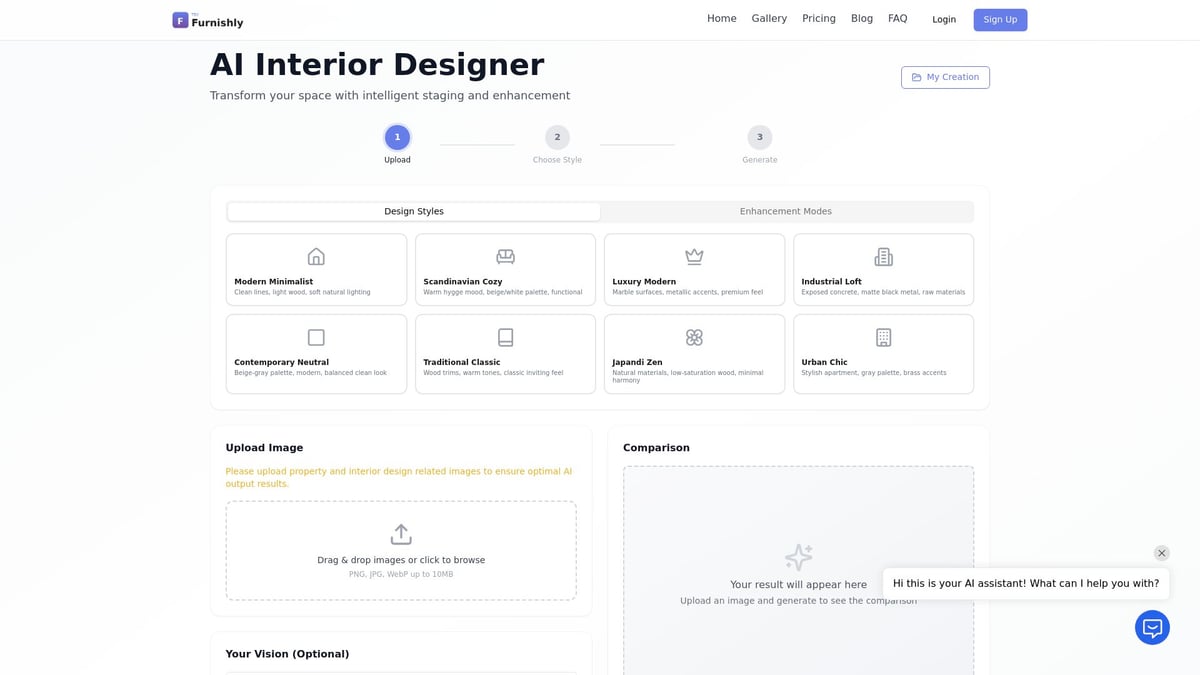
Trusted by over 5,000 real estate professionals, Try Furnishly has helped staged homes sell up to 73% faster. The service is a cost-effective alternative to traditional staging, offering a free trial and scalable solutions for the modern realty market.
Digital Transaction Management and Security
The shift to digital transaction management is streamlining operations in modern realty. E-signature platforms, remote closing tools, and digital escrow services have made paperwork nearly obsolete. Enhanced cybersecurity protocols ensure that sensitive client information remains protected throughout each transaction.
In 2025, 85% of real estate transactions were completed digitally, highlighting the growing trust in these platforms. Modern realty professionals now enjoy faster deal cycles and reduced administrative burdens, allowing them to focus on client relationships and strategic growth.
Social Media and Influencer Marketing in Realty
Social media is transforming how modern realty connects with buyers and sellers. Instagram, TikTok, and YouTube have become the primary platforms for property discovery, offering engaging content and real-time updates. Influencer partnerships drive higher engagement and build trust among younger, tech-savvy audiences.
Data shows that 60% of millennial buyers discover listings via social media. For modern realty agents, building a strong personal brand and leveraging digital storytelling are key strategies for success in a highly competitive marketplace.
Smart Strategies for Buyers in 2026
Navigating the modern realty landscape in 2026 calls for a blend of strategic thinking, digital fluency, and adaptability. Buyers must leverage new tools and insights to secure the best opportunities in a dynamic market. Here is your step-by-step guide to mastering every phase of the homebuying journey.

Step 1: Define Your Needs and Financial Readiness
Start your modern realty journey by clarifying your lifestyle goals and must-have features. Consider location, property type, and community amenities that fit your daily routine. Calculate your budget, factoring in inflation and projected interest rates for 2026.
Leverage AI-driven budgeting tools to assess your financial standing with precision. These platforms can analyze your income, debts, and market variables to recommend a realistic price range. Secure a pre-approval through fintech services, streamlining the process and giving you an edge in competitive markets.
Taking these steps ensures you enter the modern realty market prepared and confident.
Step 2: Harness Technology for Home Search
Modern realty home searches in 2026 are powered by advanced digital platforms. Use AI-enabled property search engines to filter listings based on your preferences and lifestyle. These tools deliver tailored recommendations, saving time and increasing the chance of finding your ideal home.
Explore properties through virtual tours and digital open houses, allowing you to evaluate homes remotely and efficiently. Mobile-first apps offer real-time inventory updates, ensuring you never miss a new listing. With 80% of buyers starting their journey online, embracing these technologies is essential for success in the modern realty landscape.
Stay proactive and flexible as you review your options digitally.
Step 3: Analyze Market Data and Neighborhood Trends
In modern realty, data-driven decisions are crucial. Access live analytics platforms that provide up-to-date information on local price trends, housing demand, and neighborhood statistics. Evaluate factors like school ratings, crime rates, and walkability to make informed choices.
Interactive heatmaps and neighborhood reports help visualize market shifts. For deeper insights, consult resources such as Zillow’s 2026 Housing Market Predictions to anticipate future value and affordability. Using these tools in modern realty empowers you to negotiate effectively and secure the best deal.
Rely on facts, not just intuition, when choosing where to invest.
Step 4: Secure Financing in a Changing Market
Financing strategies in modern realty have evolved alongside market conditions. Compare mortgage options from both traditional banks and digital lenders, weighing the benefits of fixed versus variable rates. Take advantage of down payment assistance programs, especially those designed for first-time buyers in 2026.
Innovative solutions like blockchain-based mortgage approvals can expedite the process, sometimes delivering decisions within a single day. Understand all closing costs, including new digital escrow services that simplify transactions. Being financially prepared is essential for thriving in the modern realty environment.
Stay informed about incentives and emerging fintech solutions.
Step 5: Conduct Digital Due Diligence and Inspections
Due diligence in modern realty is increasingly digital. Schedule remote property inspections using drone and augmented reality technologies to uncover potential issues without being on-site. Access comprehensive digital property records, including title histories and maintenance reports, for full transparency.
AI-powered risk assessment tools can flag hidden concerns, such as structural weaknesses or compliance gaps. Ensure every property meets the latest legal standards for 2026. These modern realty practices protect your investment and streamline the closing process.
Prioritize thoroughness and embrace innovation at every stage.
Step 6: Negotiate and Close with Confidence
Closing a deal in modern realty is now more efficient than ever. Digital negotiation platforms allow seamless communication between buyers and sellers, supporting transparent and data-driven decision-making. Utilize e-signatures and remote closing services to finalize transactions quickly, with 90% of closings now completed virtually.
Post-closing, access digital support and secure document storage for peace of mind. These advancements reflect how modern realty empowers buyers to act with speed and confidence. Rely on technology and trusted advisors to ensure a smooth transition into your new home.
With these strategies, you are well-equipped for success in the 2026 marketplace.
Winning Seller Tactics for Maximum Value
Selling real estate in the modern realty landscape of 2026 requires a strategic approach tailored to today’s buyers and technologies. Success means going beyond traditional methods and leveraging digital-first solutions to maximize your property’s value and appeal.

Preparing Your Property for 2026 Buyers
First impressions matter more than ever in modern realty. Today’s buyers expect energy-efficient features, smart home integrations, and visually appealing spaces. Start by upgrading to smart thermostats, LED lighting, and connected security systems. Decluttering is essential, but you can go further with virtual staging to showcase potential.
Virtual staging transforms empty rooms into designer spaces, attracting tech-savvy buyers and increasing perceived value. Explore the Virtual Staging Gallery for inspiration on how digital enhancements set listings apart in modern realty. Pre-listing inspections and minor repairs help address issues before they become deal-breakers, supporting a smoother sales process.
Digital Marketing and Listing Optimization
In modern realty, your online presence is your storefront. High-quality photography, immersive 3D tours, and video walkthroughs are crucial for capturing attention. Listings with video content receive double the inquiries, making multimedia a must-have.
Optimize your listing descriptions with relevant keywords and clear, concise language. Syndicate your property across leading portals and social media platforms. Use targeted advertising to reach the right buyers. These digital marketing strategies ensure your property stands out in the crowded modern realty market, driving more qualified leads to your listing.
Pricing Strategies in a Dynamic Market
Accurate pricing is key to success in modern realty. Leverage real-time pricing tools and AI-powered valuation models to assess current market conditions. Analyze recent sales, market comps, and buyer demand trends to set a competitive price.
Automated pricing adjustments based on listing activity help you stay agile. Avoid overpricing, as today’s buyers are data-driven and quick to compare options. Transparent, dynamic pricing positions your property favorably in the modern realty environment, increasing the likelihood of a fast and profitable sale.
Navigating Offers and Digital Negotiations
Modern realty transactions are faster and more transparent thanks to digital negotiation platforms. Manage multiple offers using online dashboards that streamline communication with buyers and agents. Instant offer platforms can accelerate the sales cycle, providing sellers with quick feedback and decision-making power.
Counter-offer strategies now rely on data insights, helping you negotiate from a position of strength. Clear, prompt communication is essential to maintain buyer interest and trust throughout the process. Embracing these digital tools is crucial for thriving in the modern realty landscape.
Post-Sale Support and Reputation Building
Your relationship with buyers continues even after closing in modern realty. Automated follow-up systems keep clients engaged and satisfied, increasing the chances of referrals and repeat business. Request digital reviews and showcase testimonials on your professional profiles.
Five-star reviews can boost referral business by up to 30 percent, making reputation management a vital seller tactic. Building a strong brand in modern realty ensures future listings receive attention and trust from potential buyers, setting you up for long-term success.
Integrating Smart Tech and Sustainability
As modern realty evolves, integrating smart technology and sustainability is no longer optional. Buyers and investors expect homes to be both intelligent and environmentally conscious. The convergence of IoT, green building practices, and future-ready infrastructure is fundamentally transforming how properties are marketed and valued in 2026.
The Rise of Smart Homes and IoT
Smart homes are now a standard expectation in modern realty. Buyers look for integrated IoT systems controlling security, HVAC, lighting, and appliances, all managed from a single app or voice assistant. In 2026, half of new builds come equipped with these technologies, offering convenience and energy savings.
Popular devices include smart locks, connected thermostats, and automated lighting. These features not only enhance daily living but also increase property value. Cities investing in smart infrastructure are leading the way, as highlighted in the U.S. Real Estate Market Outlook 2026, which notes rising demand for connected communities. For buyers and sellers, smart homes are a hallmark of modern realty.
Sustainability as a Selling Point
Sustainability has become a defining trait in modern realty. Energy-efficient appliances, solar panels, and green materials are now standard features that buyers actively seek. In fact, 62 percent of buyers are willing to pay a premium for sustainable homes, reflecting a shift in priorities.
LEED certifications and eco-friendly upgrades, such as water-saving fixtures and recycled materials, are highlighted in listings to attract environmentally conscious buyers. Marketing a property’s sustainability can set it apart in a crowded market. The emphasis on green features is not just a trend but a core part of what defines value in modern realty today.
Financing and Incentives for Green Upgrades
Financial incentives are accelerating the adoption of sustainable features in modern realty. Government grants, tax credits, and low-interest loans make it easier for homeowners and developers to invest in solar panels and energy-efficient upgrades. For instance, federal programs in 2026 offer substantial support for solar installations and green renovations.
Partnering with certified green contractors ensures quality results and eligibility for incentives. Analyzing the return on investment for eco-friendly projects is essential, as these improvements can boost both home value and long-term savings. Understanding available financing options is a key strategy in modern realty for maximizing both sustainability and profitability.
Future-Proofing Properties for Long-Term Value
Future-proofing is a top priority in modern realty as buyers anticipate changing lifestyles and regulations. Flexible layouts accommodate remote work and multigenerational living, while infrastructure for EV charging and renewable energy prepares homes for tomorrow’s demands.
Builders are offering modular and adaptable spaces that can evolve with owners’ needs. Staying ahead of regulatory changes, such as energy codes and zoning updates, ensures lasting value. By focusing on adaptability and compliance, homeowners and investors can secure their place in the modern realty landscape and remain competitive as the market continues to innovate.
The Future of Real Estate: Predictions and Opportunities
The future of modern realty is being shaped by technology, shifting market dynamics, and a global perspective. As we look ahead to 2026, professionals and investors alike must stay agile to capitalize on emerging opportunities and navigate new risks.
Emerging PropTech Innovations
PropTech is revolutionizing the modern realty landscape. AI-driven investment analysis, predictive analytics, and next-generation virtual reality are transforming how buyers and sellers interact with properties. Digital twins now enable property managers to monitor and maintain assets remotely, while blockchain is unlocking new models for fractional ownership.
For those seeking deeper insights into these game-changing technologies, the Furnishly Real Estate Blog regularly covers trends and strategies shaping the future of modern realty. Staying informed about PropTech is essential for agents and investors aiming to stay competitive.
Evolving Roles of Real Estate Professionals
In 2026, the role of a real estate professional in modern realty extends far beyond traditional sales. Agents are evolving into tech advisors, guiding clients through complex digital tools and interpreting data analytics for smarter decision-making. Upskilling in digital marketing, AI, and PropTech is rapidly becoming the norm.
Brokerages now offer in-house PropTech training and encourage close collaboration with fintech and legaltech providers. This shift empowers professionals to deliver added value and build trust in a fast-changing market.
Investment Opportunities and Market Risks
Modern realty presents a mix of high-growth opportunities and new risks. Sectors like senior housing, logistics, and mixed-use developments are drawing attention for their resilience. However, economic uncertainty and market volatility require investors to diversify, often through REITs and crowdfunding platforms.
According to the NAR 2026 Forecast Summit, regional affordability challenges remain, but positive recovery trends are projected. Informed investors leverage predictive analytics to identify resilient markets and mitigate risk.
Globalization and Cross-Border Transactions
The global reach of modern realty is expanding, thanks to digital platforms that simplify international transactions. More buyers are investing across borders, using blockchain for transparent deals and navigating different currency and regulatory environments with ease.
To attract overseas investors, agents must develop strategies tailored to international preferences and compliance. Embracing digital transaction management makes cross-border real estate deals more accessible, efficient, and secure.
Leave a Comment