

In 2026, the real estate landscape is evolving as virtual staging services redefine how properties are marketed online. These innovative solutions transform vacant or outdated spaces into visually stunning, market-ready homes, helping listings attract more buyers and sell faster. This comprehensive guide will walk you through the essentials of virtual staging, from understanding how it works and the core benefits, to exploring the latest trends and selecting the right provider. Discover the tools and strategies that can turn any property into an irresistible listing, and learn how to leverage these advances to maximize your sales success.
What Is Virtual Staging?
Virtual staging services have quickly become a game-changer in real estate marketing. By transforming empty, outdated, or cluttered spaces into beautiful, furnished environments, these services help properties capture buyer attention online. But what exactly is virtual staging, and why has it become so essential?
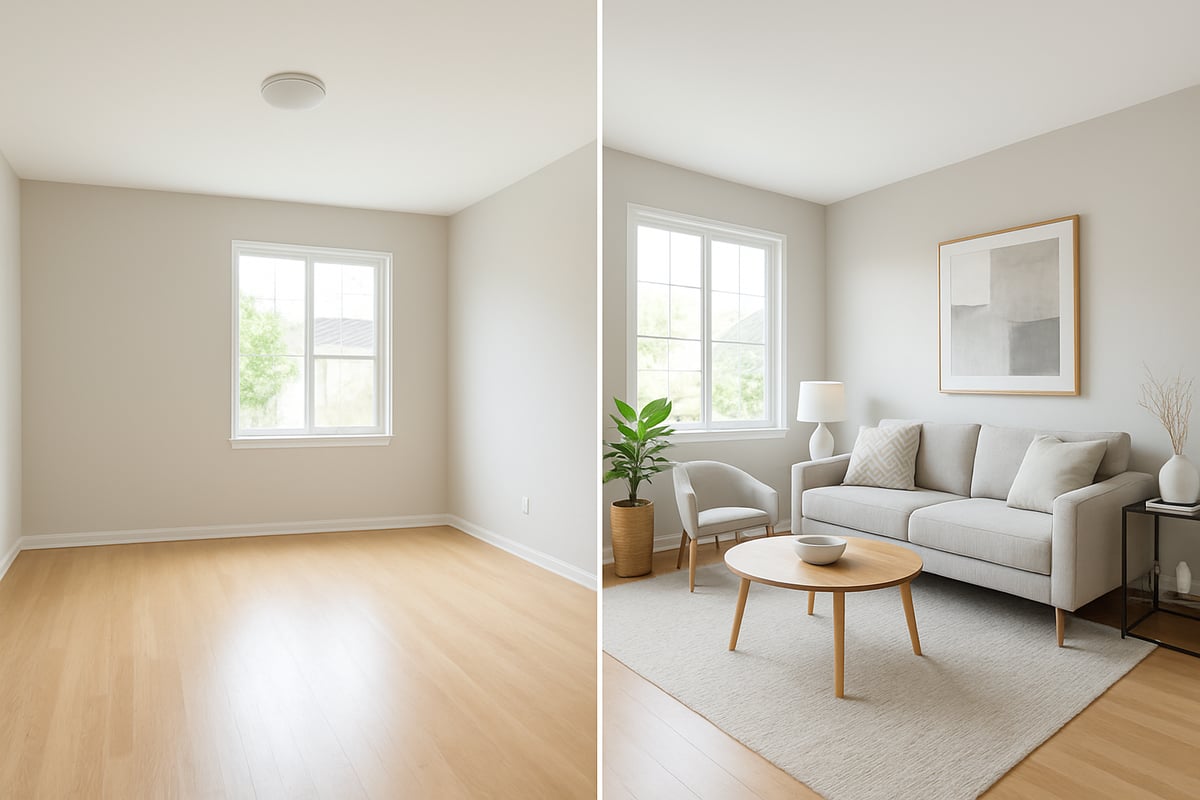
The Evolution of Staging in Real Estate
Traditional home staging once meant physically moving furniture, art, and decor into a property to make it appealing for buyers. This process was costly, time-consuming, and often limited by logistics and available inventory. As the real estate market shifted online, the demand for flexible, scalable solutions grew.
Virtual staging services emerged as a digital alternative, using advanced technology to stage properties quickly and affordably. Agents and sellers can now showcase multiple design styles without the hassle of moving physical items. This approach broadens the reach of listings and shortens the time on market.
To see how virtual staging can transform a space, explore this Virtual Staging Gallery featuring dramatic before-and-after photos. The difference is clear: virtual staging services make properties stand out and invite buyers to imagine themselves at home.
How Virtual Staging Works
At its core, virtual staging services use 3D rendering and artificial intelligence to digitally enhance property photos. The process starts when a seller or agent uploads high-quality images of empty or sparsely furnished rooms. Next, they select preferred design styles, such as modern, traditional, or luxury.
The virtual staging provider then adds realistic furniture, decor, and lighting that match the room’s scale, architecture, and mood. These staged images are delivered within hours or days, offering photorealistic results that can be used across MLS, social media, and print marketing.
Virtual staging services can be applied to residential homes, commercial spaces, and new developments. According to recent data, staged homes sell 73% faster on average, making this technology a powerful tool for today’s listings.
Key Differences: Virtual Staging vs. Photomontage
Virtual staging services are often confused with photomontage, but they serve different purposes in real estate. Virtual staging adds digital furniture and decor to existing interior photos, helping buyers visualize how a space could look when fully furnished.
Photomontage, on the other hand, integrates architectural elements or proposed renovations into images. This technique is ideal for illustrating design proposals or future construction, rather than emotional appeal.
Here is a quick comparison:
| Feature | Virtual Staging | Photomontage |
|---|---|---|
| Purpose | Furnish & Decorate | Renovation Visualization |
| Typical Use | Buyer Engagement | Design Proposals |
| MLS Compliance Considerations | Required | Required |
When using virtual staging services, always ensure images are MLS-compliant and accurately represent the property.
Who Uses Virtual Staging?
Virtual staging services are adopted by a wide range of real estate professionals and property owners. The most common users include:
- Real estate agents and brokers seeking to enhance listings
- Property developers and builders marketing new projects
- Homeowners and investors preparing homes for sale
- Interior designers and architects showcasing design concepts
Adoption of virtual staging services is growing rapidly across the U.S., especially in urban and luxury markets. The flexibility, affordability, and impact make these services a must-have for anyone looking to maximize property appeal in 2026.
Benefits of Virtual Staging Services in 2026
Modern real estate professionals are embracing virtual staging services to gain a competitive edge in 2026. These innovative solutions are transforming the way homes are marketed, providing measurable advantages for sellers, agents, and developers alike.

Accelerating Property Sales and Increasing Value
Virtual staging services help properties sell faster by making listings visually compelling and emotionally engaging for buyers. Staged homes consistently attract more interest, and studies show properties with virtual staging receive up to 40% more online views. According to Virtual Staging Impact on Sales, these enhanced visuals can lead to homes selling 73% faster on average.
A developer recently used virtual staging services to present an empty condo as a stylish, move-in-ready home. The result was a surge in offers and a higher sale price, proving the value of visually optimized marketing.
Cost-Effectiveness and Efficiency
One of the major advantages of virtual staging services is affordability. Unlike traditional staging, there are no expenses for furniture rental, transport, or setup. Providers deliver staged images in hours or days, allowing agents to list properties quickly and efficiently.
Consider a typical cost breakdown:
| Staging Type | Average Cost Per Room | Turnaround Time |
|---|---|---|
| Physical Staging | $2,000 | 1–2 weeks |
| Virtual Staging | $50–$200 | 1–2 days |
Virtual staging services also offer design flexibility, letting professionals present multiple styles to suit different buyers.
Design Versatility and Customization
Virtual staging services offer unmatched versatility, supporting a wide range of interior styles. Whether the target market prefers modern, transitional, luxury, or coastal aesthetics, providers can tailor designs to fit.
For example, agents can request several style options for the same room, helping them appeal to various buyer personas. Updates are easy—images can be regenerated as trends shift, and branding elements can be included for consistent marketing.
This level of customization ensures every listing is unique and relevant to its audience.
Enhanced Marketing and Online Presence
High-quality visuals produced by virtual staging services elevate a property's online presence across MLS, brochures, and social media. Consistent, professional imagery draws more eyes, boosts engagement, and increases click-through rates on listings.
Before-and-after marketing materials highlight the transformation, making it easier for buyers to imagine themselves in the space. With nationwide accessibility, agents and developers can leverage virtual staging services to enhance their marketing efforts, regardless of location.
The result is broader reach and improved results for every property.
Latest Trends and Technologies in Virtual Staging (2026)
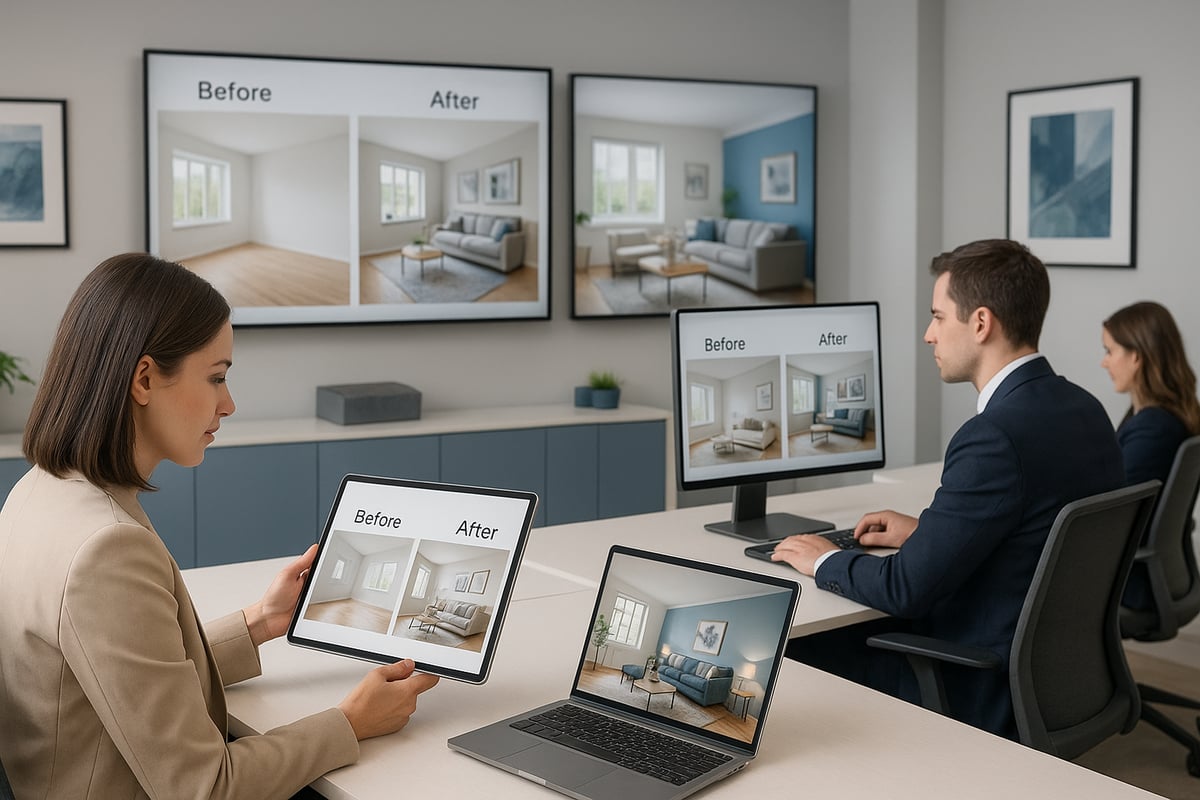
The landscape of virtual staging services is evolving rapidly in 2026. With innovation at the forefront, real estate professionals now access tools that are smarter, faster, and more tailored than ever. Let us explore the trends shaping the future of property marketing.
AI-Powered Virtual Staging Platforms
Artificial intelligence is redefining virtual staging services in 2026. Modern platforms use AI to analyze room dimensions, lighting, and architecture, then generate photorealistic staged images in seconds. Automated furniture placement and design selection save agents hours on every listing.
For large property portfolios, this technology delivers unmatched scalability. Platforms powered by AI are staging over 50,000 images annually, making them indispensable for busy real estate teams. The impact of these advancements is clear, with faster turnaround times and higher consistency across listings.
To understand how these technologies are shaping the industry, see the latest Virtual Staging Software Market Trends, which details the growth and innovation driving virtual staging services forward.
Expanding Design Libraries and Personalization
In 2026, virtual staging services offer thousands of curated furniture and decor options. Agents can personalize spaces with hyper-local styles, from sleek urban condos to cozy suburban homes. The ability to select demographic-specific themes ensures each property appeals directly to its target buyer.
Personalization is key. Providers allow clients to preview multiple looks for the same room, making it easy to adapt to changing market trends. Whether marketing a luxury penthouse or a family home, virtual staging services now cater to every niche.
This design versatility empowers agents to brand their listings distinctively, helping properties stand out in a crowded marketplace.
Mobile-Friendly and User-Centric Tools
Accessibility is a hallmark of leading virtual staging services today. Mobile apps and intuitive web platforms allow agents to upload photos, select styles, and download finished images from anywhere. User-centric interfaces streamline workflows, making the staging process efficient even on the go.
Real estate professionals can stage, review, and finalize listings directly from their smartphones. This flexibility is crucial for fast-paced markets where timing matters. The result is more listings staged in less time, with consistent quality across all marketing channels.
These innovations are driving higher adoption rates and making virtual staging services accessible nationwide.
Virtual Decluttering and Furniture Removal
Virtual decluttering has become a standard feature of modern virtual staging services. Agents can now request the digital removal of outdated furniture or personal items before staging begins. This is essential for occupied homes or inherited properties, where clutter may distract potential buyers.
By presenting a clean, modern canvas, virtual staging services help buyers focus on the property’s true potential. Staged images are MLS-compliant when properly disclosed, ensuring transparency in marketing.
The ability to transform cluttered or dated rooms into inviting, market-ready spaces gives sellers a competitive advantage and maximizes buyer interest.
Step-by-Step Guide: How Virtual Staging Services Work
Navigating the process of virtual staging services is straightforward when you break it into clear, actionable steps. Whether you are an agent, homeowner, or developer, following these essential stages ensures your property shines in digital listings and attracts the right buyers.

Step 1: Preparing and Capturing Property Photos
High quality photos are the foundation of successful virtual staging services. Start by ensuring rooms are clean, well lit, and free of clutter. Use a tripod for level shots and avoid distortion by photographing at eye level.
Consider these tips:
- Use natural light whenever possible.
- Remove personal items to create a blank canvas.
- Capture wide angles to showcase space.
Professional photography offers the best results, but modern smartphones can suffice if used carefully. Compare results to see how clarity and lighting affect virtual staging services. The better your input, the more realistic and appealing your staged images will be.
Step 2: Selecting Design Styles and Preferences
The next step in virtual staging services is choosing a design style that resonates with your target market. Identify your ideal buyer and research local trends to align your staging with what buyers expect.
Popular styles include:
- Modern
- Traditional
- Coastal
- Luxury
Communicate your preferences clearly to your provider, using style boards or inspiration galleries. Tailoring the design within virtual staging services ensures the final visuals match the property's architecture and attract the right audience.
Step 3: Submitting Photos and Project Details
After preparing your photos, submit them to your chosen virtual staging services provider. Most platforms allow uploads via web portal or email. Along with the images, include a clear project scope, your preferred turnaround time, and any special requests.
Checklist for agents:
- Confirm all required rooms are photographed.
- Specify design style and any must-have features.
- Assign a contact person for updates.
Accurate submission ensures that virtual staging services meet your expectations and minimize the need for revisions later.
Step 4: The Virtual Staging Process
At this stage, 3D artists or AI-powered tools digitally furnish and decorate your spaces. They match lighting, scale, and perspective for a photorealistic result, integrating existing architectural features seamlessly.
If you want an in depth look at the process, see How Virtual Staging Works.
A typical workflow involves:
- Reviewing your photos and style preferences.
- Selecting decor and furniture from expansive digital libraries.
- Rendering staged images for review.
This step is where virtual staging services truly transform empty rooms into visually compelling, market ready spaces.
Step 5: Reviewing and Refining Staged Images
Once you receive the initial drafts, review them carefully for accuracy and style. Virtual staging services often include revision rounds, allowing you to request changes to layouts, colors, or decor.
Key actions:
- Check that furniture placement feels natural.
- Ensure design matches your expectations.
- Confirm compliance with MLS and marketing standards.
Open communication with your provider is vital. Some virtual staging services offer unlimited revisions, ensuring the final product is exactly what you envision.
Step 6: Downloading and Using Final Images
After approval, you receive high resolution images ready for MLS, marketing brochures, and social media campaigns. Virtual staging services typically deliver files in JPEG or PNG formats for maximum compatibility.
Best practices:
- Disclose that images are virtually staged as per MLS guidelines.
- Integrate visuals into all marketing platforms for consistent branding.
- Track engagement to measure the impact of virtual staging services on inquiries and sales.
With the right approach, these images elevate your property’s online presence and help accelerate sales.
Choosing the Right Virtual Staging Service Provider
Choosing the ideal virtual staging services provider is crucial for maximizing your property’s appeal and marketing results. With so many options in 2026, knowing what to look for can make all the difference in your listing’s success.
Key Criteria for Evaluating Providers
When assessing virtual staging services, start by examining photorealism and design quality. Look for providers who deliver crisp, true-to-life images that match the property’s lighting and architecture. A broad range of interior styles and customization options ensures your listing stands out to targeted buyers.
Turnaround time is another essential factor. Can the provider deliver staged images within your listing timeline? Efficient workflows help you stay ahead in fast-moving markets. Transparent pricing is also vital. Some companies offer clear breakdowns and package options, such as those detailed on Virtual Staging Pricing and Packages.
Use this checklist:
- Photorealism in images
- Wide style selection
- Fast delivery and workflow
- Clear, upfront pricing
Questions to Ask Before Hiring
Before committing to any virtual staging services, ask these critical questions to ensure you get the results you expect:
- Can you replicate specific design styles or cater to buyer personas?
- Do you provide virtual decluttering or furniture removal?
- What is your revision policy? Are multiple rounds included?
- Are your images compliant with MLS and marketing standards?
- What is your standard turnaround time?
Comparing answers from several providers helps you identify the best fit for your project. For added peace of mind, review their sample work and ask for references. A provider’s ability to answer these questions clearly reflects their professionalism and expertise.
Case Study: Developer Success with Virtual Staging
Consider the example of Sea Modern Homes, a developer facing challenges with an empty property that felt cold and unfinished. By partnering with experienced virtual staging services, they achieved consistent, photorealistic staging across all rooms.
The transformation led to faster sales and increased buyer engagement. The property’s online presence improved, and premium listing photos attracted more qualified leads. This case demonstrates how the right provider can elevate your project and directly impact your sales timeline.
Key takeaways:
- Consistency in staging enhances buyer perception
- Professional virtual staging services accelerate sales
- Quality visuals lead to premium listing performance
Common Pitfalls and How to Avoid Them
Even with the best intentions, mistakes can occur when selecting virtual staging services. Common pitfalls include using unrealistic or low-quality staging images, choosing styles that do not fit your property, or experiencing delays that disrupt your marketing schedule.
To avoid these issues, always verify image quality, request style options that match the home, and set clear expectations for delivery. Make sure your provider discloses virtual staging in all marketing materials to maintain transparency. For more troubleshooting tips and industry best practices, consult the Virtual Staging FAQs.
By following these guidelines, you can ensure a seamless, successful experience with virtual staging services.
Frequently Asked Questions (FAQs) About Virtual Staging
Virtual staging services have become a cornerstone in modern real estate marketing. Below, we answer the most common questions to help you navigate this powerful tool and make the most of your property listings.
Nationwide Availability and Accessibility
Are virtual staging services available everywhere in the United States? Absolutely. Leading providers support clients in all 50 states, making these solutions accessible for agents, developers, and homeowners from coast to coast.
Whether your property is in a bustling city, quiet suburb, or luxury market, virtual staging services are designed to accommodate diverse real estate needs. The technology is cloud-based, so you can access services regardless of location. As demand grows, Virtual Staging Market Growth Projections show that adoption rates are rising rapidly, driven by the need for competitive digital marketing across regions.
With easy online access, even remote or small-market properties can benefit from professional, market-ready visuals.
Getting Started: What You Need to Know
Start using virtual staging services by gathering high-quality photos of your property. Make sure rooms are well-lit and tidy to maximize the final result. Identify your target audience and preferred design style, then share these details with your provider during the onboarding process.
Most virtual staging services offer simple submission via online platforms, email, or mobile app. You’ll specify project goals, turnaround preferences, and any special requests. Typical response times are prompt, with most projects completed in one to two business days.
You can connect with providers through their website, phone, or email. The process is streamlined so you can focus on selling or renting your property faster.
Pricing, Packages, and Cost Factors
Virtual staging services are significantly more cost-effective than traditional staging. Pricing usually depends on the number of images, complexity, and design options. Common models include per-image rates, bundled packages, or subscription plans for high-volume users.
For example, one image may cost $25 to $50, while traditional staging can run into thousands. For a detailed look at cost savings and efficiency, see Home Staging Effectiveness Statistics.
You can request custom quotes for unique projects or larger portfolios. Transparent pricing helps you budget effectively and maximize marketing ROI.
Image Quality and MLS Compliance
The success of virtual staging services depends on image quality. High-resolution, well-composed photos produce the most realistic results, whether taken with a professional camera or a modern smartphone.
MLS compliance is critical. Providers ensure staged images accurately reflect the property and include required disclosures. This maintains trust with buyers and meets all industry guidelines.
Always review staged images for realism and clarity before listing. Top-tier virtual staging services deliver photorealistic visuals that enhance your marketing and keep you compliant.
Design Flexibility and Style Matching
Virtual staging services offer unmatched design versatility. Providers can match a wide variety of interior themes, from modern and transitional to luxury or family-friendly.
You can select from multiple style options for A/B testing or tailor the look to local buyer demographics. Customization extends to branding, color palettes, and furniture selection, ensuring your listings stand out in any market.
If you have a specific vision, most providers can accommodate unique requests, helping you reach your target audience more effectively.
Project Timelines and Revisions
Most virtual staging services deliver staged images within 24 to 48 hours, even for larger projects. Rush options are available for urgent listings.
Revision policies vary, but many providers include at least one or two rounds of edits in their packages. Some offer unlimited revisions until you’re satisfied.
Clear communication about deadlines and expectations ensures your project stays on track. The flexible workflow lets you refine images for the perfect presentation.
Additional Services: Decluttering and Furniture Removal
Many virtual staging services now offer digital decluttering and furniture removal. This is ideal for occupied or inherited homes where existing furnishings may distract buyers.
Providers can digitally erase clutter, old furniture, or personal items, then stage the space with fresh, appealing decor. This broadens your property’s appeal and helps buyers visualize its full potential.
Bundling decluttering with staging streamlines your marketing process, creating a clean, inviting presentation that resonates with today’s buyers.
Leave a Comment