

Imagine being able to instantly transform any empty room into a beautifully designed, fully furnished space, all without lifting a single piece of furniture. In 2026, 3d staging is changing the way professionals approach digital space transformation, making the process easier, faster, and more cost-effective than ever before.
This guide will walk you through the essentials of 3d staging, from its core concepts and top benefits to the latest technologies driving the industry forward. Discover how visual storytelling can captivate buyers, boost engagement, and accelerate sales. Ready to harness the power of 3d staging for your projects? Let’s get started.
Understanding 3D Staging: Concepts and Evolution
Defining 3D Staging
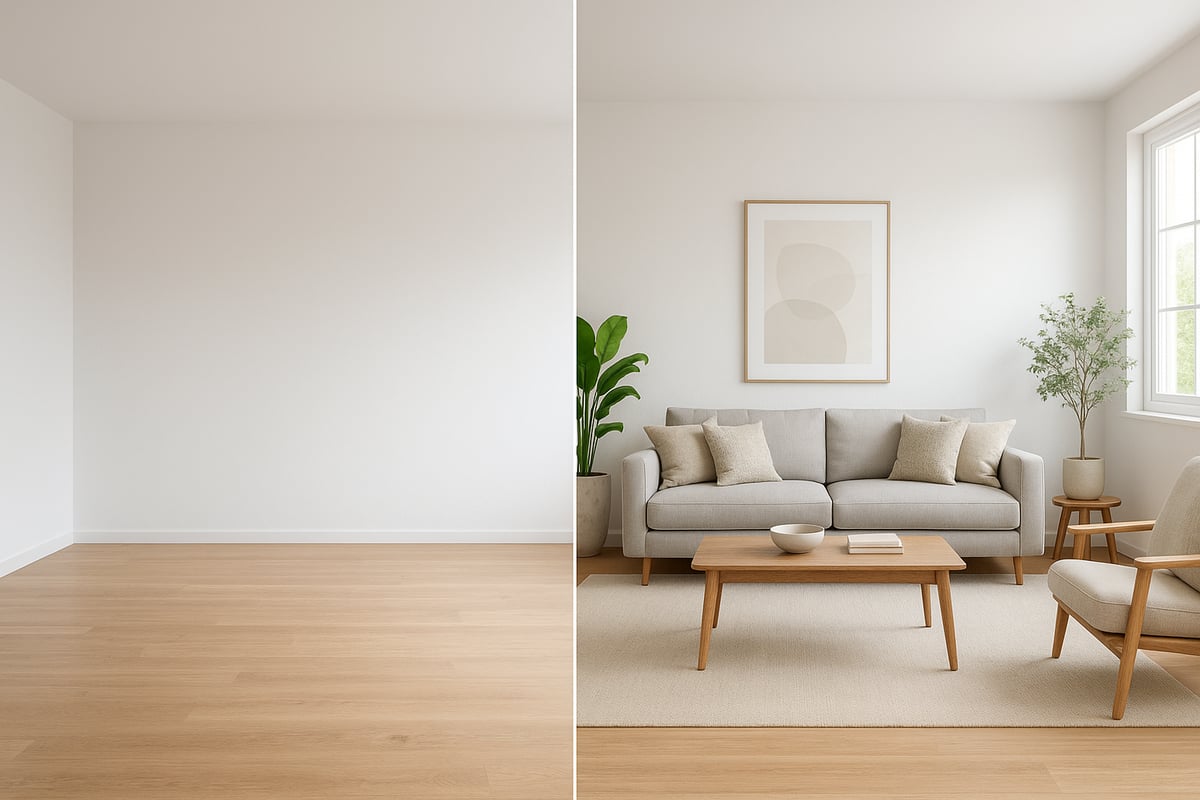
3d staging is the process of digitally furnishing and decorating empty spaces using computer-generated imagery. Unlike traditional staging, which requires physical furniture and décor, 3d staging brings virtual elements into real-world photography, making spaces look inviting without ever moving an object.
Photorealism is essential, as it ensures the digital furnishings look authentic and blend seamlessly with the environment. This technology creates immersive and interactive environments that help buyers and renters visualize the full potential of a property. For a clear demonstration, explore this 3D staging project gallery of before-and-after images, showing how digital transformations bridge imagination and reality.
The Evolution of Digital Staging Technologies
The journey of 3d staging began with simple photo edits and evolved as technology advanced. Early digital staging involved basic image manipulation, but today, sophisticated 3d rendering engines, VR, and AR integration have raised the bar for realism and interactivity.
Artificial intelligence and machine learning now enhance the speed and quality of staging, making it possible to create interactive 3d tours instead of static images. Adoption rates among real estate professionals have surged, as platforms like 3DVista and BluEntCAD report rising usage, reflecting the industry's shift toward more dynamic digital experiences.
Why 3D Staging Matters in 2026
In 2026, the real estate and interior design markets are more competitive than ever. Buyers expect digital-first experiences, and 3d staging delivers by reaching remote and global audiences efficiently. Agents and developers see increased return on investment, as virtually staged homes often sell up to 73 percent faster, according to business data.
For example, properties with 3d staging tend to spend less time on the market and are perceived as more valuable. This digital approach is now a crucial differentiator in a crowded marketplace, enabling professionals to stand out and meet modern buyer expectations.
Key Benefits Over Traditional Methods
The advantages of 3d staging extend far beyond cost savings. Digital staging allows for rapid revisions and the flexibility to showcase multiple styles or configurations without logistical challenges. Implementations are faster, with no waste or transport required, reducing environmental impact.
Agents can instantly share staged images across various marketing channels, broadening their reach. Many real estate professionals report that 3d staging not only streamlines their workflow but also consistently leads to higher engagement and faster sales. The combination of efficiency, flexibility, and enhanced marketing makes digital staging an indispensable tool in today’s industry.
The 3D Staging Process: Step-by-Step Guide
Unlocking the full potential of 3d staging starts with understanding each phase of the process. This guide walks you through every critical step, from capturing the perfect photo to ensuring ethical transparency. Whether you are new to digital staging or seeking to refine your approach, these actionable steps will help you master 3d staging for any property.
Step 1: Preparing Your Space for Digital Staging
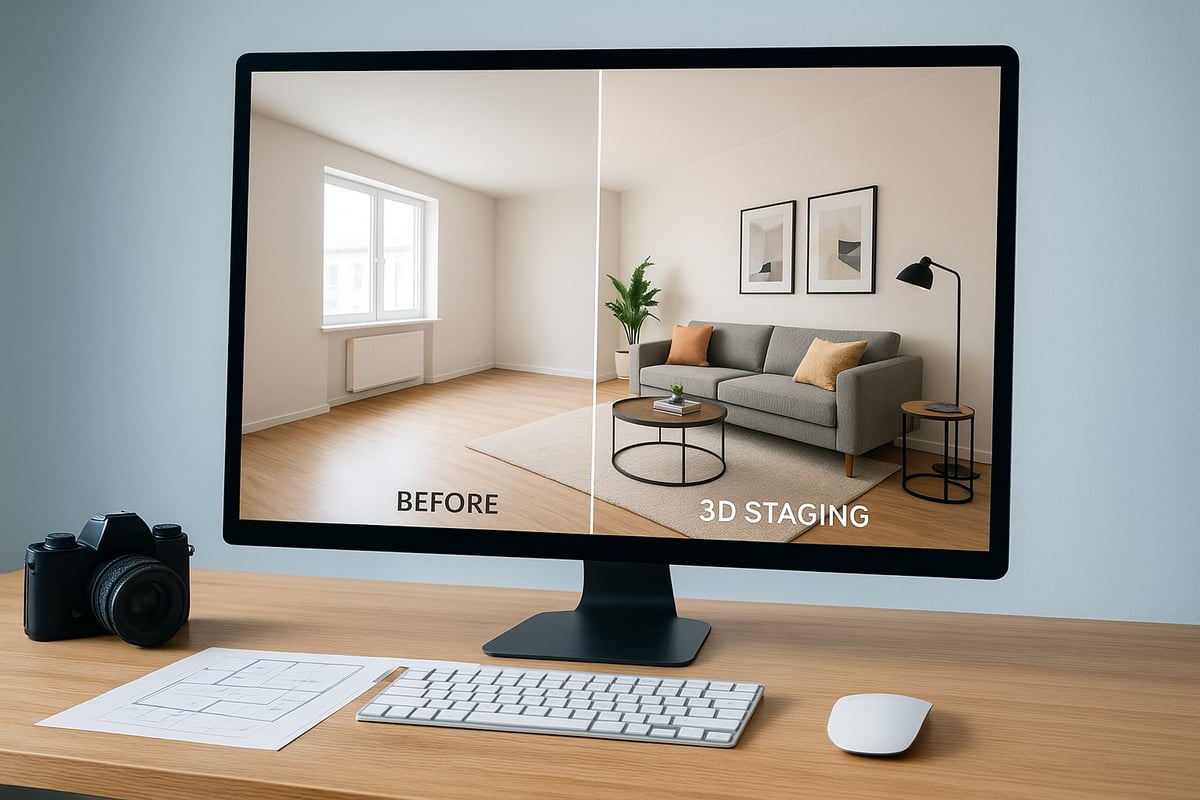
The foundation of effective 3d staging is a clean, well-photographed space. Begin by thoroughly decluttering, removing personal items and unnecessary furniture. Use natural light, and photograph during the day for best results. Position the camera at eye level and capture wide angles to showcase the room’s proportions.
Preparation tips:
- Remove clutter and clean all surfaces
- Use a tripod for stable, high-resolution shots
- Avoid harsh shadows or overexposure
A blank canvas maximizes the impact of 3d staging, making it easier for designers to add digital elements. Common mistakes include poor lighting, low image quality, and distracting backgrounds. By starting with strong visuals, you set the stage for a stunning digital transformation.
Step 2: Selecting the Right 3D Staging Platform or Service
Choosing the best 3d staging provider is crucial for quality results. Evaluate platforms based on AI capabilities, design libraries, and user interface. Decide if you prefer a DIY software solution or a professional service for more customization and support.
| Feature | DIY Software | Professional Service |
|---|---|---|
| Speed | Fast | Moderate |
| Customization | Limited | Extensive |
| Cost | Lower | Higher |
| Support | Self-guided | Expert assistance |
Market leaders like 3DVista and BluEntCAD offer robust options. For more insights into common concerns and best practices, review the Frequently asked questions about 3D staging. Balancing speed, quality, and customization ensures your 3d staging project meets your goals.
Step 3: Customizing Furniture, Decor, and Layouts
Once your platform is chosen, it’s time to personalize your 3d staging design. Select furniture styles that resonate with your target audience, such as modern, classic, or minimalist. Leverage curated design libraries or upload custom pieces to achieve a unique look.
Adjust color schemes, textures, and materials to match the property’s vibe. Many platforms offer virtual configurators, allowing you to preview multiple design options instantly. Professional interior designers can further enhance your 3d staging by ensuring each detail aligns with current trends and buyer expectations.
Step 4: Rendering and Quality Control
After customization, the rendering phase brings your 3d staging vision to life. High-quality rendering ensures photorealistic lighting, accurate shadows, and true-to-scale furniture placement. Review drafts carefully for any inconsistencies or unnatural effects.
Many platforms use AI-powered tools to identify and correct issues automatically. Consistency across all images is critical, especially for multi-room properties. By prioritizing thorough quality control, you deliver 3d staging visuals that inspire confidence and drive buyer interest.
Step 5: Integrating 3D Staging into Marketing Channels
With your 3d staging images ready, it’s time to launch them across all marketing platforms. Export high-resolution images and interactive 3D tours for use on websites, social media, and print collateral. Enhance property listings with immersive VR experiences and virtual walk-throughs.
Key marketing channels include:
- Real estate portals and MLS
- Social media ads and stories
- Email campaigns
- Print brochures
A well-staged property often sees increased engagement and more qualified inquiries. Multi-channel distribution amplifies the reach of your 3d staging efforts, helping properties stand out in a crowded market.
Step 6: Gathering Feedback and Iterating Designs
Analytics play a vital role in refining your 3d staging strategy. Monitor viewer engagement to identify what resonates with potential buyers or tenants. Collect feedback through surveys or direct comments, then use this data to adjust your designs.
A/B testing different staging styles can reveal which layouts generate the most interest. This iterative approach ensures your 3d staging remains aligned with market preferences, leading to faster sales and higher client satisfaction.
Step 7: Compliance, Ethics, and Transparency in Digital Staging
Ethical 3d staging builds trust with buyers by accurately representing the property. Always disclose when images have been digitally altered and avoid making enhancements that could mislead viewers. Adhering to industry standards and best practices is essential.
Be transparent about what is digitally staged versus what exists in reality. Clear communication and honest visuals help foster long-term relationships and a positive reputation in the real estate market. Compliance ensures your 3d staging supports informed decision-making.
Top Technologies and Tools for 3D Staging in 2026
The landscape of 3d staging continues to evolve rapidly, fueled by innovations that make digital transformations more immersive, efficient, and accessible. In 2026, a blend of AI-driven processes, interactive visualization, and collaborative platforms is reshaping how real estate, design, and marketing professionals approach digital staging.
AI and Automation in 3D Staging
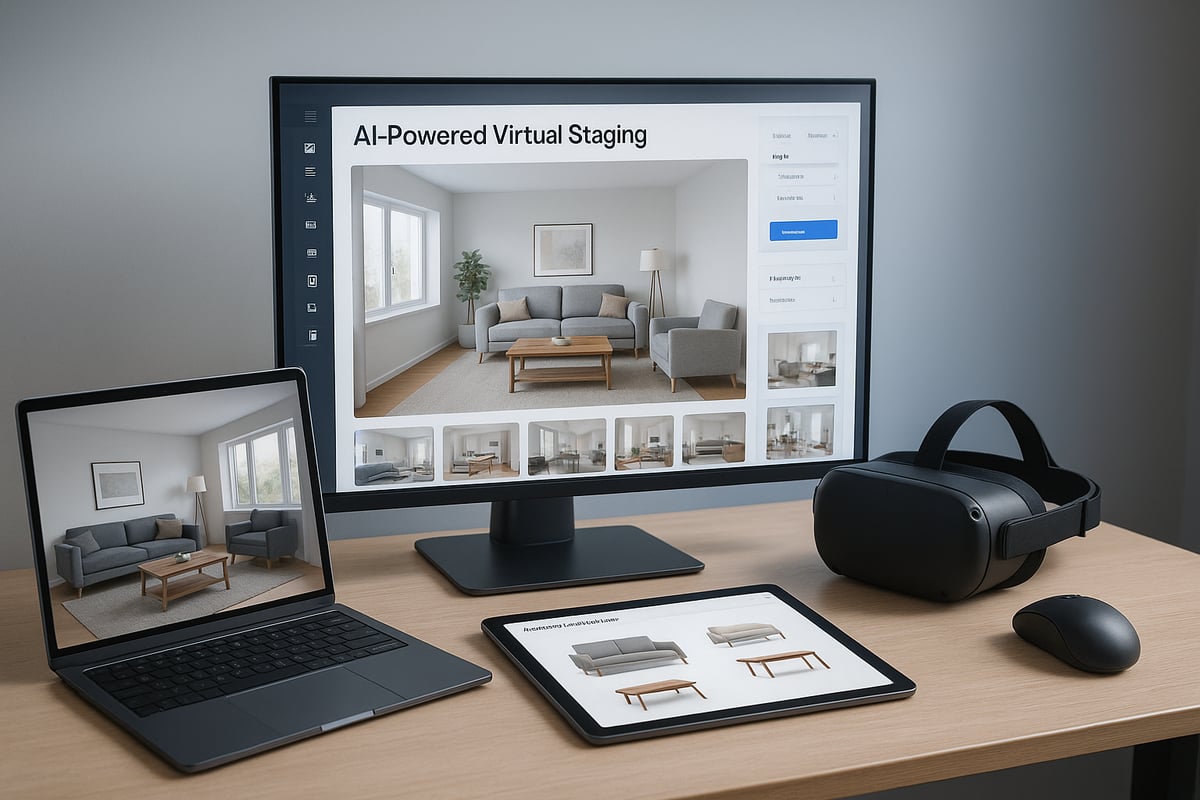
Artificial intelligence has become the engine behind the speed and realism of 3d staging. Modern platforms harness AI to instantly generate staged interiors, recommend furniture styles, and automate lighting or decor placement. These advancements allow professionals to deliver photorealistic results in seconds, not hours. For example, AI-powered solutions like Try Furnishly can stage a property with just a few clicks, while maintaining design quality and customization. The adoption of AI tools is accelerating across the industry, as outlined in the AI Usage in Real Estate Report, which highlights increased efficiency and accessibility for agents and designers.
Virtual Reality (VR) and Augmented Reality (AR) Integration
Immersive experiences are now central to 3d staging, thanks to VR and AR technologies. Clients can explore staged properties using VR headsets, experiencing layouts and finishes as if they were physically present. Augmented reality overlays enable users to visualize furniture and decor in real time within their own spaces, bridging the gap between digital concepts and real-world applications. These interactive features significantly boost engagement and have been linked to higher conversion rates, making VR and AR integral to the modern staging toolkit.
Cloud-Based Collaboration and Sharing
Cloud technology streamlines every phase of the 3d staging process. Designers, agents, and clients collaborate in real-time, sharing drafts and final renders instantly, regardless of location. Secure cloud storage ensures version control and easy access to a project’s history. This connectivity accelerates approvals, minimizes delays, and supports remote work. Many leading 3d staging platforms now offer built-in collaboration features to simplify communication and project management.
Advanced Photorealistic Rendering Engines
Rendering engines are the backbone of high-quality 3d staging, delivering lifelike visuals that influence buyer decisions. Advanced technologies such as ray tracing and global illumination provide accurate lighting, reflections, and textures. The difference between entry-level and premium rendering outputs can be substantial.
| Feature | Entry-Level Rendering | Advanced Rendering |
|---|---|---|
| Lighting | Basic | Realistic |
| Textures | Limited | Detailed |
| Speed | Fast | Moderate |
True-to-life results help properties stand out, giving buyers confidence in what they see.
Visual Configurators and Interactive Design Options
Personalization is at the core of 3d staging in 2026. Visual configurators let users toggle between styles, finishes, and layouts, empowering them to envision their ideal space. Many platforms now integrate e-commerce, enabling buyers to purchase staged furniture directly. This interactivity not only increases engagement but also streamlines the decision-making process, making 3d staging a powerful tool for both marketing and customization.
Industry Applications and Success Stories
3d staging is transforming how spaces are marketed, visualized, and experienced across multiple industries. Its flexibility and realism are driving measurable results, from faster property sales to enhanced learning environments. Let us explore how different sectors are leveraging 3d staging for success.
Real Estate Sales and Marketing
Real estate professionals are using 3d staging to make listings stand out in crowded markets. By digitally furnishing vacant or outdated spaces, agents create inviting visuals that help buyers imagine themselves at home. This approach often leads to increased engagement and more competitive offers.
According to the NAR Report on Home Staging Benefits, staged homes can sell up to 73 percent faster and for higher prices. Success stories abound, with top agents reporting reduced time on market and improved client satisfaction. 3d staging is now a standard tool for boosting property appeal.
Property Development and Pre-Sales
For developers, 3d staging is essential when marketing properties before construction is complete. High-quality visualizations allow potential buyers and investors to explore future layouts, finishes, and design options. This capability accelerates sales cycles and builds excitement for new projects.
Developers can present multiple style packages using 3d staging, letting clients personalize their future spaces. The ability to showcase possibilities is a strong selling point in competitive markets. As a result, off-plan sales are rising, and project timelines are shortening.
Interior Design and Home Renovation
Interior designers rely on 3d staging to present their creative concepts clearly. Clients can review different layouts, materials, and color schemes before any physical work begins. This process reduces misunderstandings and ensures alignment on design vision.
3d staging also empowers homeowners to preview renovations or redecorations. By visualizing changes in advance, costly errors and change orders are minimized. Designers report that 3d staging helps build trust and confidence throughout the renovation journey.
Commercial Real Estate and Leasing
Commercial landlords and brokers use 3d staging to showcase empty offices, retail, or hospitality spaces. By presenting various configurations and uses, they attract a wider range of tenants. It is especially effective for properties that are difficult to stage physically due to size or ongoing operations.
Digitally staged visuals demonstrate the full potential of a space, leading to increased lease-up rates. Landlords can quickly adapt layouts to meet tenant needs, making 3d staging a valuable asset in commercial marketing strategies.
Education, Training, and Virtual Events
The educational sector is adopting 3d staging for both teaching and virtual event purposes. Architecture and design students use digital tools to experiment with layouts and materials, gaining hands-on experience in a risk-free environment. Instructors can create immersive, interactive lessons that foster engagement.
Virtual open houses, exhibitions, and property tours benefit from 3d staging as well. These events reach global audiences and remove physical limitations, expanding access and participation. The versatility of 3d staging is reshaping how knowledge and experiences are shared.
Try Furnishly: AI-Powered Virtual Staging for Real Estate Professionals
Try Furnishly is reshaping 3d staging with a streamlined, AI-driven platform built for real estate professionals. The process is simple: upload your property photos, select from designer-curated furniture styles, and instantly receive photorealistic, staged images. With unlimited style regenerations, you can showcase any space in multiple looks to appeal to a wider audience.
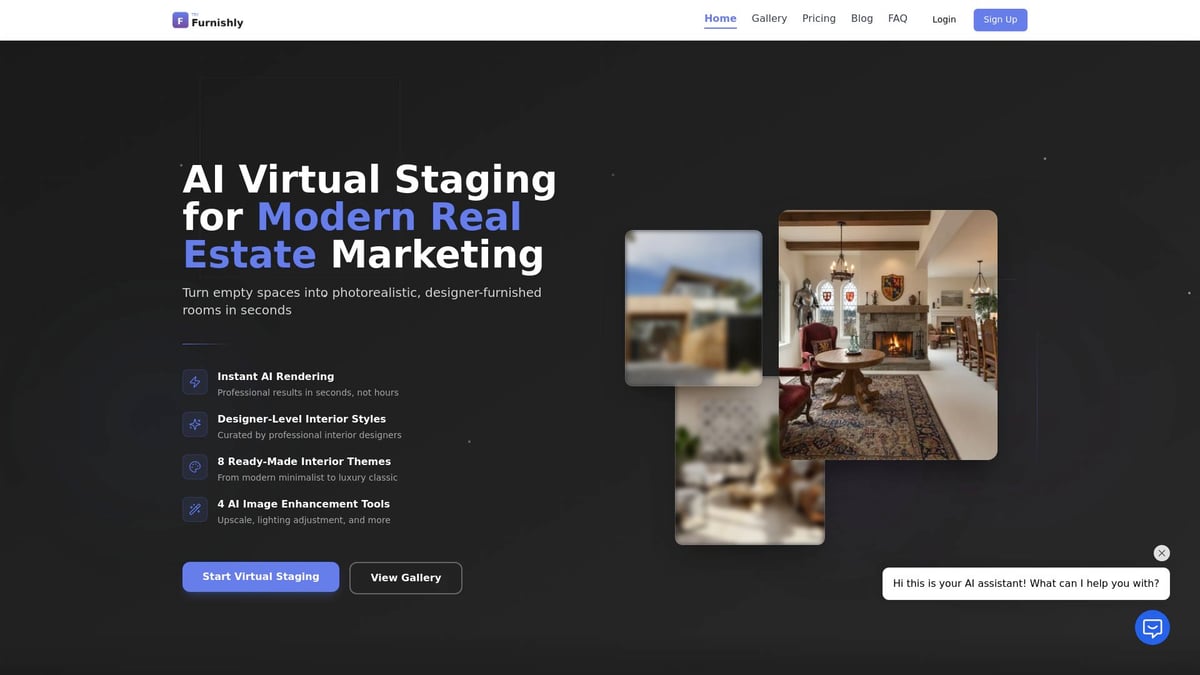
The platform is trusted by over 5,000 agents, with more than 50,000 images staged and a 4.9 out of 5 satisfaction rating. Users benefit from ultra-fast rendering, higher property values, and reduced time on market. Even if you have no design experience, Try Furnishly makes professional 3d staging accessible and effective.
Affordability is a key advantage, with a free trial and transparent pricing options. For detailed cost information, visit their Virtual staging pricing guide. Listings enhanced with Try Furnishly report sales up to 73% faster, making it a standout choice for agents, developers, and home sellers looking to maximize results.
Future Trends in 3D Staging and Digital Space Transformation
The landscape of 3d staging is poised for significant transformation by 2026. Rapid advancements in technology, changing consumer expectations, and shifts in the real estate industry are setting the stage for new possibilities. Understanding these future trends is essential for professionals who want to stay ahead and maximize the potential of digital space transformation.
AI-Driven Personalization and Predictive Design
AI is revolutionizing 3d staging by enabling deep personalization and predictive design. Platforms can now analyze buyer demographics, preferences, and market trends to recommend tailored furniture styles, layouts, and color palettes. This level of customization ensures every staged space resonates with its intended audience.
Imagine uploading a property photo and instantly receiving multiple design suggestions optimized for local buyer tastes. Automated recommendations speed up the staging process and help agents target niche markets with precision. In 2026, hyper-personalized 3d staging will become a standard, making digital marketing campaigns more effective and data-driven.
Integration with Smart Home and IoT Technologies
The future of 3d staging is closely tied to smart home and IoT advancements. Staged environments will showcase not only furniture, but also interactive elements like lighting controls, smart thermostats, and security systems. This integration helps buyers visualize how technology enhances comfort and convenience within the space.
Virtual tours can now include clickable features that simulate the experience of adjusting smart blinds or changing room ambiance. By highlighting connected home features, 3d staging increases perceived property value and appeals to tech-savvy buyers. As IoT adoption grows, expect digital staging to become even more immersive and interactive.
Sustainability and Eco-Friendly Digital Staging
Sustainability is becoming a key concern, and 3d staging offers a clear advantage. By eliminating the need for physical furniture and transport, digital staging drastically reduces waste and carbon emissions. Professionals can emphasize eco-friendly materials, energy-efficient appliances, and green building practices within their staged visuals.
This digital approach aligns with the values of eco-conscious buyers, who appreciate the reduced environmental impact. In 2026, expect 3d staging solutions to promote sustainability by featuring green design options and highlighting properties with energy-saving features. The result is a win-win for the planet and the real estate industry.
Expansion into the Metaverse and Virtual Commerce
3d staging is expanding beyond traditional real estate into virtual worlds and the metaverse. Digital real estate, branded virtual spaces, and product placement are opening new revenue streams for agents and designers. The ability to stage and market properties in immersive online environments is transforming how spaces are experienced and sold.
According to the Virtual Staging Market Forecast 2026-2032, the market for virtual staging is projected to grow significantly as these technologies mature. This trend creates opportunities for professionals to reach global audiences and experiment with innovative marketing tactics in both physical and digital domains.
The Evolving Role of 3D Staging Professionals
As technology advances, the role of 3d staging professionals is evolving. Agents, designers, and marketers must continually upskill, learning to use advanced digital tools, collaborate with AI platforms, and interpret data-driven insights. Hybrid roles are emerging, blending creative design with technical expertise.
Continuous learning and collaboration are now essential for staying competitive. The future of 3d staging relies on professionals who can adapt quickly, leverage new technologies, and deliver results that meet the changing needs of clients. Those who embrace this evolution will be well positioned to lead digital space transformation in the years ahead.
Leave a Comment