

Imagine walking into an empty or outdated space and instantly seeing it transformed into a stunning, move-in-ready home, all from your screen. This is the power of virtual house staging, a game changer for real estate marketing in 2026.
In this comprehensive guide, you will discover how virtual house staging makes property transformations faster, more cost-effective, and highly appealing.
Whether you are a real estate professional, seller, or marketer, you will learn actionable strategies to boost your listings’ value and attract buyers.
Explore what virtual staging is, why it captures buyers’ attention, the latest trends for 2026, step-by-step staging methods, top tools, and expert tips for outstanding results.
Understanding Virtual House Staging in 2026
Imagine stepping into a property online and instantly seeing its full potential. That is the promise of virtual house staging in 2026. This section explores the core concepts, psychological drivers, and emerging trends that make virtual house staging a game changer for real estate professionals and sellers alike.
What Is Virtual House Staging?
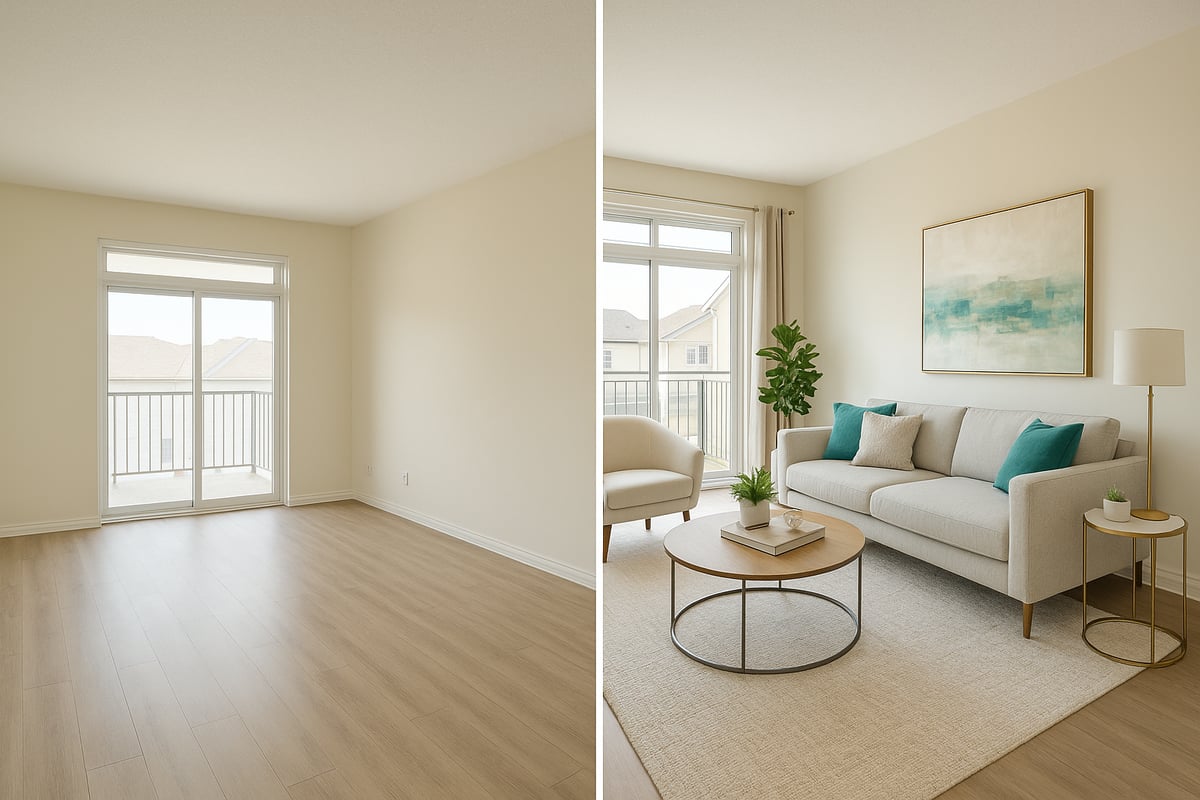
Virtual house staging is the digital process of furnishing and decorating property photos to showcase the potential of a space. Unlike traditional staging, which requires renting furniture and physically arranging it in the home, virtual house staging leverages advanced graphics and AI to create realistic interiors directly on images.
The evolution of virtual house staging has accelerated rapidly. In 2026, cutting-edge AI can analyze a room's dimensions and lighting, then suggest furniture layouts that maximize appeal. These technologies allow for quick style changes, enabling sellers to target different buyer profiles with a single photo set.
Here is a comparison of traditional and virtual house staging:
| Aspect | Traditional Staging | Virtual House Staging |
|---|---|---|
| Cost | High (furniture rental, labor) | Low (digital service fee) |
| Speed | Days to weeks | Minutes to hours |
| Flexibility | Limited | Unlimited style options |
| Environmental Impact | Resource-heavy | Sustainable, less waste |
Virtual house staging benefits not only residential listings but also commercial and rental properties. Landlords can show furnished options without moving items, and developers can market unfinished spaces with ease.
Why Virtual Staging Works: Psychological and Marketing Insights
The success of virtual house staging is rooted in buyer psychology. Most buyers struggle to visualize an empty or outdated space as their future home. By digitally adding stylish furniture, virtual house staging helps buyers emotionally connect, making it easier for them to imagine living there.
Recent data highlights the impact. According to the National Association of Realtors and Redfin, staged homes in 2025 sold 73% faster and for up to 20% more than unstaged properties. Virtual house staging offers these advantages at a fraction of the cost of physical staging.
Before-and-after images are especially powerful. They command attention in online listings and social media, driving more views and higher engagement. For visual examples, explore this Virtual Staging Photo Gallery to see how properties are transformed digitally.
Virtual house staging is also highly adaptable. Sellers can instantly update decor to match the latest trends or appeal to specific demographics, further enhancing marketing effectiveness.
The 2026 Virtual Staging Landscape
By 2026, the virtual house staging landscape is defined by three major trends. First, the integration of AR and VR allows buyers to take immersive property tours, viewing virtual furnishings from any angle. This deeper engagement leads to more confident purchase decisions.
Second, AI-driven personalization tailors staging to buyer demographics, analyzing preferences and local trends to recommend optimal furniture and color palettes. This makes virtual house staging more targeted and effective.
Sustainability is also a priority. Virtual house staging reduces waste by eliminating the need for physical furniture, lowering the carbon footprint of property marketing. Regulatory and ethical standards ensure that staged images are accurate and transparent, protecting both buyers and sellers.
The convergence of these advancements makes virtual house staging an essential tool for real estate professionals in 2026.
Step-by-Step Guide to Virtual House Staging
Embarking on a successful virtual house staging journey in 2026 requires a strategic, detail-oriented approach. Each step, from capturing the perfect property photo to integrating staged images into your marketing strategy, plays a vital role in maximizing property appeal. This guide walks you through the essential stages to ensure your listings stand out in a competitive market.

Step 1: Preparing High-Quality Property Photos
The foundation of effective virtual house staging is exceptional property photography. High-resolution, well-lit images provide the digital canvas for realistic and appealing staging results.
Begin by ensuring every room is clean and clutter-free. Remove personal items, excess decor, and anything that distracts from the space. Use natural light wherever possible, opening curtains and blinds to highlight architectural features. Professional cameras and tripods help achieve sharp, distortion-free images.
Key tips for capturing the best photos:
- Shoot from waist height to create a natural perspective.
- Use wide-angle lenses to showcase room size, but avoid extreme distortion.
- Take multiple shots from different angles for flexibility during virtual house staging.
Avoid common mistakes such as photographing messy rooms, using harsh flash, or including mirrors that reflect the photographer. Investing time in this step ensures your virtual house staging process starts with the best possible images.
Step 2: Selecting the Right Virtual Staging Platform
Choosing a reliable platform is crucial for seamless virtual house staging. Prioritize solutions that deliver high-quality image rendering, a broad selection of furniture styles, and an intuitive user interface.
Consider the following criteria when evaluating platforms:
- Image quality and realism of staged outputs
- Speed of rendering and turnaround time
- Variety of design themes and customization options
- Data privacy and security standards
- Integration with listing sites and CRM tools
Here is a quick comparison of key features:
| Platform Feature | Importance | What to Look For |
|---|---|---|
| Rendering Speed | High | Under 1 minute per image |
| Style Variety | Essential | Multiple curated themes |
| User Interface | Critical | Simple, drag-and-drop tools |
| Security | Non-negotiable | End-to-end encryption |
For those seeking the latest advancements, Explore AI-Powered Virtual Staging to see how instant, designer-curated results can elevate your workflow. By carefully evaluating these factors, you set the stage for a smooth virtual house staging experience.
Step 3: Choosing Interior Styles and Furniture Themes
The art of virtual house staging lies in selecting the right interior style to resonate with target buyers. Analyze your audience—families, young professionals, or retirees—and match the virtual decor accordingly.
Popular styles for 2026 include:
- Modern minimalist for urban condos
- Coastal chic for vacation homes
- Eco-friendly and multifunctional furniture for sustainability-minded buyers
Emerging trends show that properties staged with eco-conscious materials and flexible layouts attract more attention. Data from recent listings suggests that neutral palettes, natural textures, and smart storage solutions are top performers in virtual house staging.
When choosing furniture and decor, maintain a cohesive look throughout the property. Avoid over-personalizing or using styles that conflict with the home's architecture. The goal is to inspire buyers and help them envision living in the space.
Step 4: Customizing and Reviewing the Staged Images
Editing is where virtual house staging truly comes to life. Use advanced tools to adjust lighting, color balance, and object placement, ensuring each image looks both attractive and realistic.
Effective customization tips:
- Fine-tune shadows and highlights to match window light
- Select furniture proportions appropriate for each room
- Remove or replace objects that clutter the scene
Review every staged image for accuracy and visual impact. Look for inconsistencies such as floating furniture, mismatched shadows, or unrealistic reflections. Two sets of eyes are better than one; consider a peer review to catch any oversights.
Quality control is essential in virtual house staging. Well-edited images enhance buyer trust and engagement, while errors can undermine your credibility.
Step 5: Integrating Virtual Staging into Property Marketing
Once your images are perfected, it's time to leverage virtual house staging across marketing channels. Start by updating your online listings with staged photos and interactive virtual tours, ensuring buyers can easily visualize the home's potential.
Best practices include:
- Clearly disclose that images are virtually staged for transparency
- Use before-and-after sliders or galleries to highlight transformations
- Share staged visuals on social media, email campaigns, and print materials
Comply with all disclosure requirements to avoid misleading buyers. Effective integration of virtual house staging imagery increases engagement and can significantly reduce time on market. Consistent branding and professional presentation across all platforms further elevate your property’s appeal.
Leading Tools and Platforms for Virtual House Staging
The virtual house staging landscape in 2026 is more innovative and competitive than ever. Real estate professionals now have access to a diverse array of platforms designed to deliver fast, realistic, and customized results. As demand for virtual house staging grows, choosing the right tool can directly impact property appeal, marketing efficiency, and sales outcomes.
AI-Powered Solutions: Key Players in 2026
A range of top virtual house staging platforms have emerged, each offering unique features to meet the evolving needs of agents and sellers. AI-driven solutions are now the norm, enabling ultra-fast rendering, photorealistic results, and seamless integration with popular real estate listing sites.
Below is a comparison of leading tools in 2026:
| Platform | Rendering Speed | Style Variety | Integration | Ease of Use |
|---|---|---|---|---|
| Furnishly | 15 seconds | 8+ designer themes | MLS, CRM, social | Intuitive |
| StagePro AI | 30 seconds | 6 themes | MLS, email campaigns | User-friendly |
| HomeVisio | 45 seconds | 10+ styles | CRM, AR/VR tours | Simple UI |
| VirtuDecor | 60 seconds | 5 styles | Listing platforms | Moderate |
These platforms leverage advanced AI to automate much of the staging process. Virtual house staging tools now offer bulk processing, furniture removal, and even AR/VR features for immersive property tours.
Selecting the right solution means considering not only speed and visual quality but also how well the platform integrates with your preferred marketing channels. Virtual house staging software that syncs with CRM systems and listing portals streamlines workflows and enhances team productivity.
Try Furnishly: AI-Powered Virtual Staging Excellence
Try Furnishly stands out as a leader in the virtual house staging space. The platform provides instant, AI-driven staging for real estate professionals, with eight designer-curated interior themes and thousands of furniture options.
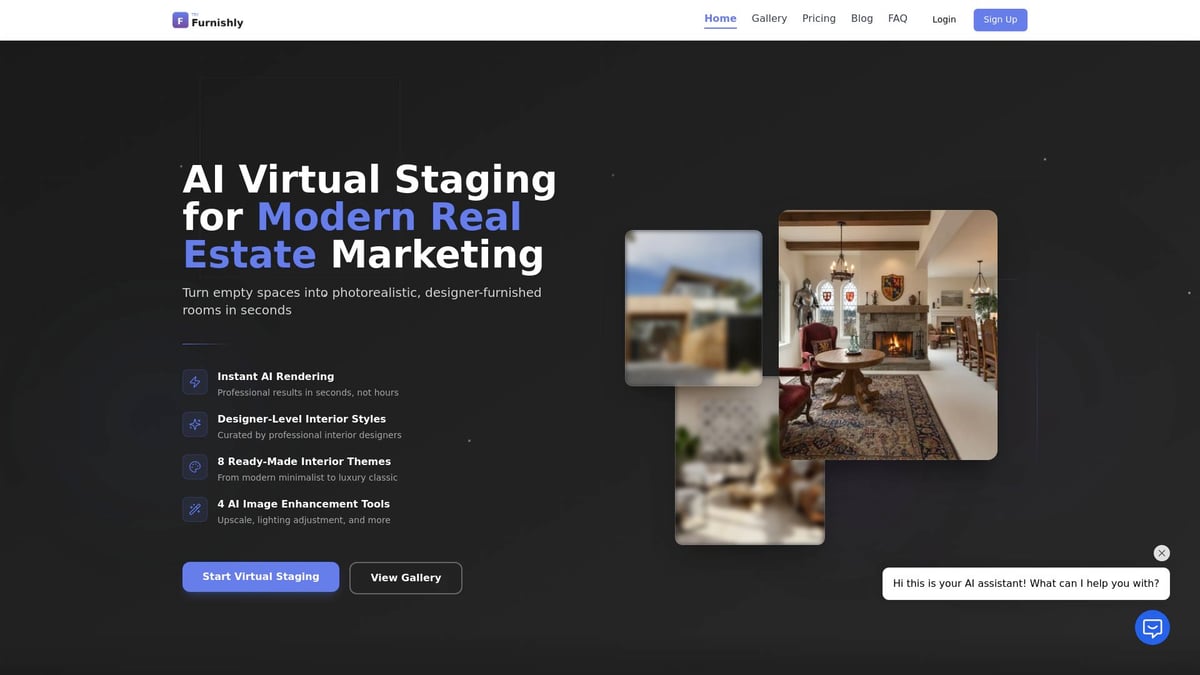
Furnishly is renowned for ultra-fast rendering, delivering staged images in as little as 15 seconds. Users benefit from unlimited style regenerations, advanced image enhancement tools, and the ability to remove existing furniture digitally.
The service is trusted by over 5,000 agents, boasting a 4.9 out of 5 satisfaction rating. Listings staged with Furnishly have been shown to sell up to 73% faster, underscoring the platform’s impact on property marketing success.
For those interested in cost-effectiveness and flexibility, Furnishly offers a free trial and transparent pricing plans. The combination of speed, customization, and proven results makes it a top choice for virtual house staging in 2026.
User Experience and Support
A seamless user experience is essential when selecting a virtual house staging platform. Intuitive workflows, helpful customer support, and strong compliance standards all contribute to successful outcomes.
Top platforms invest in onboarding resources, live chat assistance, and comprehensive FAQs to guide users through the staging process. Real-world testimonials highlight how responsive support teams can resolve technical issues quickly, helping agents maximize the value of virtual house staging.
Security and privacy are also top priorities. Leading tools adhere to strict data protection standards, ensuring that client images and information remain confidential. Compliance with industry regulations ensures transparency and trust in every virtual house staging project.
Trends and Innovations Shaping Virtual Staging in 2026
The landscape of virtual house staging in 2026 is marked by rapid technological advances and a focus on personalization, sustainability, and trust. Real estate professionals are witnessing a new era where digital transformation is redefining how properties are presented and perceived. Let's explore the key trends shaping this dynamic field.
AI and Personalization Advancements
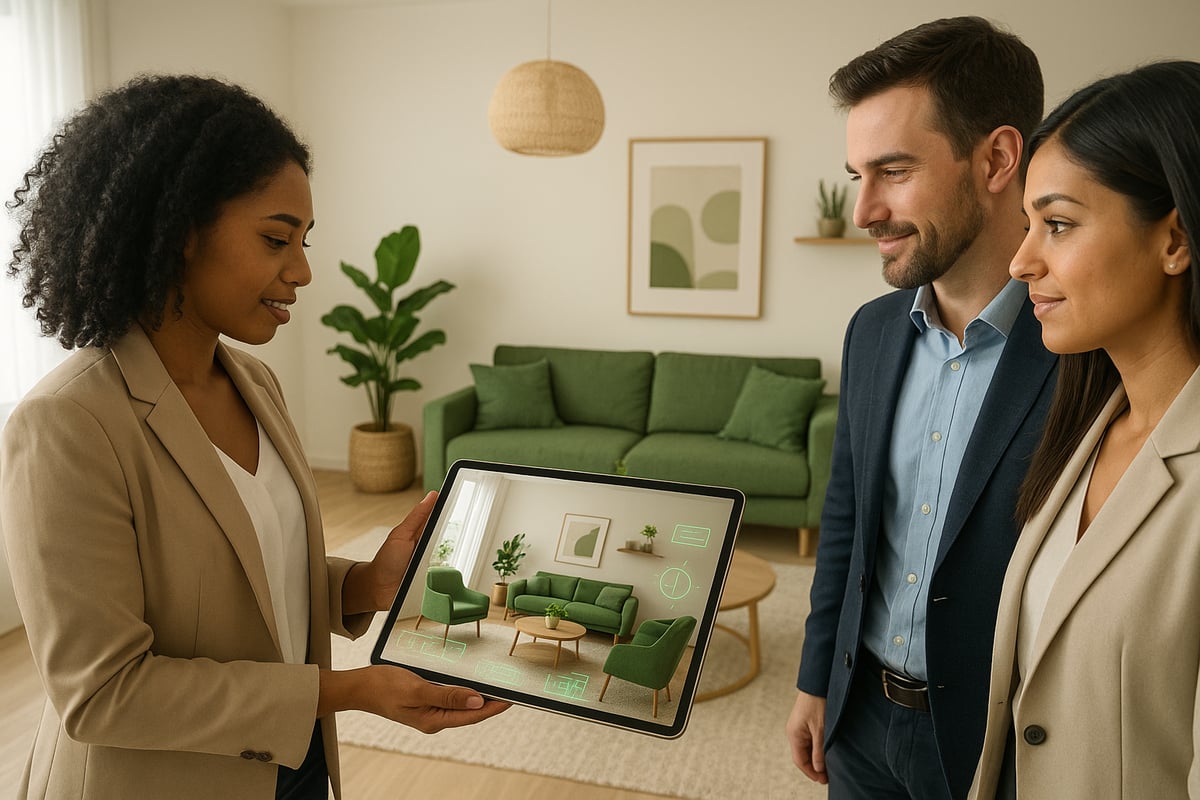
Artificial intelligence is revolutionizing virtual house staging in 2026 by enabling hyper-personalized experiences. AI-driven platforms now analyze buyer data and preferences, generating tailored furniture layouts and decor that resonate with each target audience. This level of customization increases buyer engagement and helps listings stand out in crowded markets.
Key innovations include:
- Instant AI recommendations for furniture and color schemes
- Automated bulk processing of property images
- Real-time feedback systems for continuous improvement
With tools capable of digitally furnishing rooms within seconds, agents save time and deliver compelling visuals that drive faster sales. For more details on these cutting-edge capabilities, see AI Virtual Staging Innovations. Virtual house staging is no longer just about aesthetics; it is about creating a personalized journey for every potential buyer.
AR, VR, and Mixed Reality Integration
The integration of augmented reality, virtual reality, and mixed reality is transforming virtual house staging from static images to immersive experiences. Buyers can now explore fully staged environments through interactive virtual tours, gaining a true sense of space and layout before ever stepping foot in a property.
Recent data shows that 60% of buyers spend more time engaging with AR-enhanced listings, leading to higher conversion rates. These technologies allow users to swap furniture styles, adjust layouts, or view homes at different times of day. Virtual house staging platforms are leveraging these tools to offer a unique, hands-on approach that accelerates decision-making and builds buyer confidence.
Sustainability and Eco-Conscious Staging
Sustainability is a major focus in virtual house staging for 2026. By eliminating the need for physical furniture and transportation, virtual staging reduces waste and lowers carbon emissions. Digital libraries now feature eco-friendly and upcycled furniture options, allowing sellers to highlight green living without sacrificing style.
A comparison of traditional versus virtual house staging reveals substantial environmental benefits:
| Staging Type | Resource Use | Carbon Footprint | Waste Produced |
|---|---|---|---|
| Traditional | High | High | High |
| Virtual | Low | Minimal | None |
As buyers become more eco-conscious, these sustainable practices make properties even more attractive. Virtual house staging aligns perfectly with modern values, supporting both efficient marketing and environmental responsibility.
Compliance, Ethics, and Transparency
As virtual house staging becomes standard, regulatory and ethical considerations are top priorities. Industry standards in 2026 require clear disclosure when images are virtually staged, ensuring buyers are not misled about a property's true appearance.
Best practices include:
- Transparent labeling of all virtually staged images
- Adhering to accuracy guidelines for digital renderings
- Regular training for agents on compliance and ethics
Maintaining trust is essential for long-term success. By following updated regulations and focusing on honest representation, real estate professionals can harness the full potential of virtual house staging while safeguarding client relationships.
Virtual Staging Success Strategies: Maximizing Impact and ROI
Unlocking the full potential of virtual house staging in 2026 requires a strategic approach. To maximize impact and return on investment, real estate professionals must carefully tailor every aspect, from design choices to marketing tactics.
Targeting the Right Audience with Tailored Staging
Success with virtual house staging starts by understanding your buyers. Analyze local market trends and buyer demographics to select staging themes that resonate.
For example, a downtown condo may appeal to young professionals, so a sleek, minimalist design works best. A family home in the suburbs might benefit from warm, traditional furnishings. Rental properties often attract transient tenants, making neutral, multifunctional setups ideal.
- Research recent sales in your area
- Identify buyer personas for each property type
- Customize furniture and decor styles accordingly
Virtual house staging is most effective when it helps buyers envision themselves living in the space. By aligning design choices with targeted preferences, you boost both engagement and perceived value.
Optimizing Listings with Virtual Staging
The placement and presentation of virtually staged images can double the exposure of your listings. Start with a striking, staged photo as the main image to capture attention instantly.
Integrate before-and-after sliders or interactive galleries within your listing. According to the NAR 2025 Home Staging Report, homes with staged visuals consistently attract more views and sell faster.
- Use high-resolution staged images for online listings
- Highlight key rooms, like living areas and kitchens
- Promote staged photos on social media and email campaigns
Virtual house staging should always be disclosed to maintain transparency and trust with potential buyers.
Measuring Results and ROI
Tracking the impact of virtual house staging is essential for refining your strategy. Focus on key performance indicators such as time on market, final sale price, and listing engagement.
A simple ROI table can help clarify the advantages:
| Metric | Unstaged Listing | Virtual House Staging |
|---|---|---|
| Avg. Time on Market | 45 days | 26 days |
| Avg. Sale Price | $400,000 | $480,000 |
| Cost | $0 | $150 |
| Views per Listing | 1,200 | 2,400 |
For a deeper dive, explore this Virtual Staging ROI Analysis to compare costs and effectiveness in real-world scenarios.
Virtual house staging delivers measurable returns, making it a powerful, data-driven marketing tool.
Common Mistakes to Avoid
Even experienced agents can stumble when implementing virtual house staging. Avoid these pitfalls to ensure your results stand out:
- Over-staging with unrealistic or excessive digital furniture
- Forgetting to disclose virtual enhancements in listings
- Using low-quality or poorly lit property photos
- Ignoring feedback from buyers after showings
By sidestepping these errors, your virtual house staging efforts will remain professional and credible, supporting faster, higher-value sales.
Expert Tips for Standout Virtual Staging
To stay ahead in 2026, embrace continuous improvement and industry best practices. Collaborate with professional photographers to capture crisp, well-lit images as your staging foundation.
Stay current with interior design trends and leverage feedback from both buyers and agents. Regularly review your virtual house staging outcomes and adapt your approach as the market evolves.
- Revisit local market data each quarter
- Experiment with new design themes
- Solicit feedback from recent clients
With these expert strategies, virtual house staging will consistently elevate your listings and maximize your marketing ROI.
The Future of Virtual House Staging: What to Expect Beyond 2026
Imagine a world where virtual house staging is not just a marketing tool, but an integral part of the real estate experience. As we look beyond 2026, rapid advancements in technology, buyer expectations, and industry practices are set to redefine what is possible in property presentation.
Predicting Next-Gen Technologies
The future of virtual house staging will be shaped by true innovation. AI-generated video walkthroughs will allow buyers to explore dynamic, staged environments that adapt in real time to their preferences. Imagine walking through a property and seeing the decor change based on your style or family needs.
Integration with smart home technology and IoT devices will create interactive experiences. Buyers could adjust lighting, preview furniture arrangements, or even test out different room functions through a single interface. These advancements will make virtual house staging more immersive, personalized, and engaging than ever.
Evolving Buyer Expectations and Behavior
Home buyers in the future will demand seamless, personalized experiences. Virtual house staging will cater to these expectations by offering tailored, data-driven presentations. As younger, tech-savvy generations enter the market, they will expect instant access to immersive tours and customization options.
Buyers will want to visualize not just the space, but how it fits into their lifestyle. The ability to personalize virtual house staging, from layout to decor, will help them form emotional connections with properties and make decisions more confidently.
The Expanding Role of Virtual Staging in Real Estate
Virtual house staging will expand far beyond traditional residential listings. Developers and property managers will use these tools for commercial, rental, and mixed-use spaces, reaching global audiences with ease. Virtual staging will become a standard for new developments, allowing for pre-sale marketing before construction is complete.
Market research shows the virtual staging industry is poised for significant growth worldwide. According to recent Virtual Staging Market Growth Statistics, adoption rates and software innovation are accelerating, highlighting the increasing importance of virtual house staging in every real estate sector.
Opportunities and Challenges Ahead
With opportunity comes responsibility. As virtual house staging becomes more advanced, ethical and legal considerations will play a larger role. Accurate representation, clear disclosures, and compliance with industry standards will be essential to maintain trust.
New challenges may arise, such as distinguishing between virtual and real elements or navigating evolving regulations. However, these hurdles also create opportunities for professionals to showcase their expertise and creativity. Staying informed through resources like Virtual Staging Frequently Asked Questions can help agents and marketers adapt to the changing landscape.
In the end, the future of virtual house staging will depend on the balance between technology and human touch, ensuring that every staged space inspires, informs, and invites.
Leave a Comment